
Dispensing and storing cream — the order for hygienic long-term use
Using a spatula rather than scooping cream directly with your fingers is more advantageous for reducing contamination. Closing the lid and keeping the product in a cool, dry place is often more practical than refrigeration, and if the color, scent, or texture separation seems different from usual, it's safer to stop using it and switch to a new product.
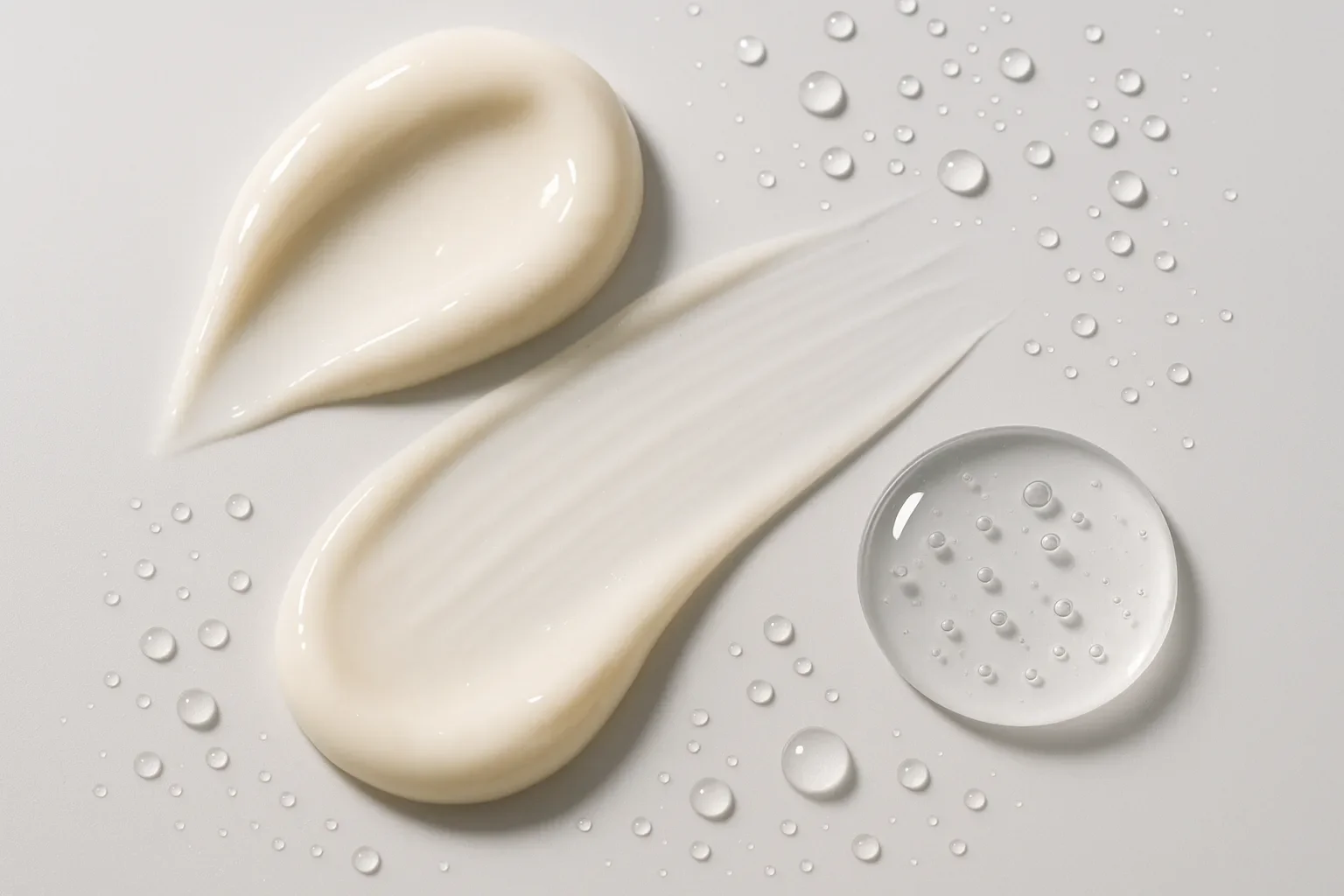
The habit of putting your finger straight into the cream jar every time you open it is worth thinking about for a moment. No matter how carefully the cream's own ingredients are formulated, the hygienic condition of the same product can vary greatly depending on how it's scooped out and the storage environment.
In particular, formulas like rich-type creams where oils and moisturizing ingredients are layered can become a good environment for microbial growth once contaminated. Today, let's go over how to use cream hygienically for a long time, based on two criteria: scooping method and storage.
- 1Wash handsCleanse hands before scooping
- 2Scoop with a spatulaOnly the amount needed at once
- 3Place on the back of the hand and spreadMinimize contact inside the jar
- 4Close the lid immediatelyMinimize exposure to dust and moisture
- 5Store in a cool, dry placeAvoid direct sunlight and moisture
Why the way you scoop it out matters
Fingers come into contact with various surfaces throughout the day and act as a carrier for invisible microorganisms. Even right after washing your hands, they are not completely sterile, and repeatedly putting fingers into the cream jar causes that contact to accumulate.
Most creams are emulsion formulas mixing water and oil, and this structure is also an environment where microorganisms can easily settle at room temperature. Preservative systems suppress this to some extent, but rather than continuing to leave that burden to finger contact, it's more reasonable to reduce the route of contamination from the start.
Changing just the way you scoop out cream can change how long it stays in its original condition. This difference accumulates especially for creams applied across the whole face and neck, where hands go in multiple times a day.
Things to judge differently depending on the situation
Not every cream needs to be managed in the same way. Jar-type containers with a wide, shallow opening are more affected by how the product is scooped out, while tube or pump types involve less direct finger contact with the contents in the first place, making them relatively less of a concern.
Frequency of use is also a factor. Creams opened multiple times a day, morning and evening, tend to be used up within a certain period after opening, so contamination risk is relatively low. But creams used only occasionally stay open for longer periods, so they deserve more careful management.
Season is another variable. In the hot, humid conditions of summer, microorganisms multiply faster, so it's safer to check the product's condition more often than in winter, even if managed the same way.
The step-by-step management order, from scooping to storage
The first step is scooping out the product. For jar-type creams, using a dedicated spatula to scoop out only the amount needed, then placing it on the back of the hand or palm before spreading it with the fingers, helps reduce contamination. If a spatula isn't available, washing your hands before each use and dipping just the fingertips in to take only the needed amount is best, while avoiding running fingers along the container's edge or dipping in repeatedly.
Next is lid management. Rather than leaving the lid open for a long time while moving on to other skincare steps, closing the lid immediately after scooping out the cream helps reduce exposure to dust and airborne contamination.
As for storage location, a cool, dry vanity or drawer is generally more stable than a bathroom exposed to direct sunlight and high humidity. Some people store cosmetics in the refrigerator, but cream formulas can have their emulsion state destabilized by temperature changes, and sudden temperature differences can even cause separation. So unless the product specifies otherwise, it's more practical to prioritize a cool spot at room temperature.
The last step is regular condition checks. As time passes after opening, periodically check for changes in scent, color, and texture, and if something feels different from usual, it's safer to reconsider continued use from that point on.
These hygiene habits are basic practices that apply universally, no matter which cream is used. But just as much as the management method itself, it's worth thinking about what purpose the cream placed at this final step was actually designed for. For example, in the case of a product like 에르쯔틴 리제너레이티브 실트 크림, which contains adenosine as a listed ingredient and has undergone functional cosmetic review for wrinkle improvement, the habit of hygienically scooping it out the same way every day can itself be a way of fully honoring the purpose the cream was designed for—maintaining a consistent routine of elasticity care. Hygiene management and elasticity care can be seen as two axes that ultimately run together within the same routine.
The final step—what cream should you finish with?
These hygiene habits are basic practices that apply regardless of which cream you use. That said, it's worth thinking not only about how you manage the product, but also about what purpose the cream you're layering on as the final step was originally designed for. For example, in the case of a product like 에르쯔틴 리제너레이티브 실트 크림, which contains adenosine as a notified ingredient and has undergone functional cosmetic review for wrinkle improvement, the habit of hygienically dispensing it the same way every day can also be what fully preserves the purpose the cream was designed for—consistently maintaining a routine for elasticity care. In the end, hygiene management and elasticity care can be seen as two axes running together within the same routine.
Frequently asked questions
- Is it okay to scoop out cream with my hands?
- If your hands were just washed clean, it is often not a major issue, but repeatedly putting fingers into the container can lead to accumulated contamination over time. Where possible, it's recommended to use a spatula, or if using your hands, scoop out only the amount needed at one time.
- Is a spatula really necessary?
- It's not an absolute necessity, but for formulas like jar types where the opening is wide and fingers directly touch the contents, using a spatula is better for hygiene management. Tube or pump-type creams have relatively less need for one.
- Is it better to store cream in the refrigerator?
- Unless the product specifically instructs otherwise, refrigeration is not necessarily recommended. Since cream is an emulsion formula, frequent temperature changes can cause separation or altered texture, so storing it at a cool, dry room temperature away from direct sunlight and moisture is generally more stable.
- The color or smell seems to have changed—is it okay to keep using it?
- If you notice an unusual smell, a change in color, or a textural change that seems like the water and oil are separating, it is safer to stop using it. Since skin reactions vary by individual, if you experience any abnormal symptoms, it's recommended to stop use and consult a dermatologist or other specialist if needed.
- How long can a cream be used after opening?
- This varies by product, and it's most accurate to first refer to the usage period indicated on the container (the period after opening, PAO). If scooped out hygienically and properly sealed and stored, it can often be used stably within the indicated period.
Reviewed by 아비쥬의원 의료진. (September 5, 2026)
Related products
 리제너레이티브 실트 크림Buy
주름 개선 기능성 화장품 · 탄력과 장벽을 함께 보는 리치 크림