
Do You Really Need a Dedicated Eye Product? — Characteristics and Care of Thin Skin
The eye area skin is thinner than other parts of the face and has less oil secretion, making it a spot where dryness and fine lines tend to show up first. It's not absolutely necessary to have a separate eye cream, but considering the thin skin's characteristics, thinly applying a low-irritation, moisturizing formulation can help. Whether you use a dedicated product or extend your regular cream, the key is maintaining an irritation level and finishing method suited to the eye area.
If you've ever felt a distinct tightness specifically around your eyes while washing your face and applying cream in the morning, that's likely due to the structure of that area rather than sensitivity.
The skin around the eyes is thinner than the rest of the face and is where fine lines tend to show up first, so the question 'do I really need a dedicated eye-area product' comes up at some point. To put the conclusion first, a dedicated product isn't essential, but understanding the characteristics of that area and applying products accordingly is necessary.
- 1Cleansing/TonerHydration prep step
- 2Ampoule (optional)Thin layer over the whole face
- 3Face creamFirst on areas excluding the eye area
- 4Eye-area finishPat a small amount in around the eyelid and under-eye bone area for absorption
Why the skin around the eyes is thinner than the rest of the face
Compared to other parts of the face, the skin around the eyes is known to have thinner epidermis and dermis, along with fewer sebaceous glands. Fewer sebaceous glands means a weaker ability to produce oil on its own and hold onto moisture, which is why, even in the same indoor environment, the eye area often dries out first and fine lines become more noticeable there.
On top of that, the eye area moves dozens of times a day. Since it's a spot where expression lines fold repeatedly every time you smile or frown, when thinness and lack of oil are combined with constant facial movement, changes tend to become more visible there than in other areas.
Eye-area changes that differ by age and condition
In your twenties, it's often just temporary puffiness or dullness on days when you haven't slept well or aren't feeling your best. Eye-area concerns at this stage are mostly manageable to some extent with moisturizing and enough rest.
From your thirties onward, repeated expression lines start to settle into fine lines, and accumulated dryness tends to make these fine lines look deeper. From this stage on, the practical direction for care can go beyond simple moisturizing, toward choosing a formula that manages elasticity without irritating the thin skin.
However, since the timing and degree of these changes vary from person to person, it's more useful to periodically check the condition of your own eye area rather than making assumptions based on a specific age.
Cases where the eye area can be managed without a dedicated product
Eye-specific products are generally designed to be lighter than facial products, or formulated with minimal fragrance or certain ingredients in consideration of eye area sensitivity. So for people with sensitive skin or those particularly vulnerable to irritation around the eyes, a dedicated product can be one option.
However, many people manage the area by extending a small amount of facial cream that is low-irritation and not heavy, down to the bone area just below the eyes. In other words, it doesn't mean 'you can only manage it with a dedicated product'—rather, 'checking the irritation level and spreadability suited to the eye area and applying accordingly' is the more important standard.
What to check when applying cream to the eye area
If you decide to extend cream to the eye area, there are a few things worth checking. First, avoid the area right above the eyelid or close to the mucous membrane, and spread only a small amount up to the eyelid area and around the under-eye bone. Second, rather than rubbing, gently patting it in with two or three fingers to help absorption causes less irritation to thin skin.
Third, if irritation or breakouts occur repeatedly, the priority is to stop using that product on the eye area. Since reactions vary by individual, it's also a safer approach to first test a new product on another part of the face before extending it to the eye area.
The final step—what cream should you finish with?
When choosing a cream to extend to the eye area, it's practical to prioritize checking for a spreadability that is thin and low-irritation rather than a heavy, oily feel. 에르쯔틴 리제너레이티브 실트 크림 is a rich-type formulation, but it can be considered a product to extend in small amounts from the face to the area around the eyes—however, priority should be given to avoiding the inner eye area or areas close to the mucous membrane, and to stopping use if any irritation occurs.
Frequently asked questions
- What exactly does it mean that the skin around the eyes is thin?
- Compared to other parts of the face, the area around the eyes has thinner epidermis and dermis and fewer sebaceous glands, so it has a weaker ability to hold onto oil and moisture on its own. Because of this, even in the same environment, dryness or fine lines often become noticeable there first.
- Is it okay to use a face cream around the eyes too?
- If the formula is low-irritation and not heavy, many people extend a small amount onto the eyelid and the area around the under-eye bone. However, it's best to avoid the inner eyelid or areas close to the mucous membrane, and if you're trying a product for the first time, it's safer to test it on the face first.
- Is there anything to be especially careful about when applying around the eyes?
- Rather than rubbing, gently pat the product in for absorption, and if you repeatedly feel stinging or swelling, the priority is to stop using that product around the eyes. If irritation continues, it's recommended to consult a dermatologist or similar specialist.
- In what order should eye-area products be applied?
- The general order is to cleanse and tone the skin first, apply the face cream, and then apply a small amount around the eye area as the final step. If you're using a dedicated eye cream, some routines apply it before the face cream, so it's good to check the product's instructions as well.
Reviewed by 아비쥬의원 의료진. (September 4, 2026)
Related products
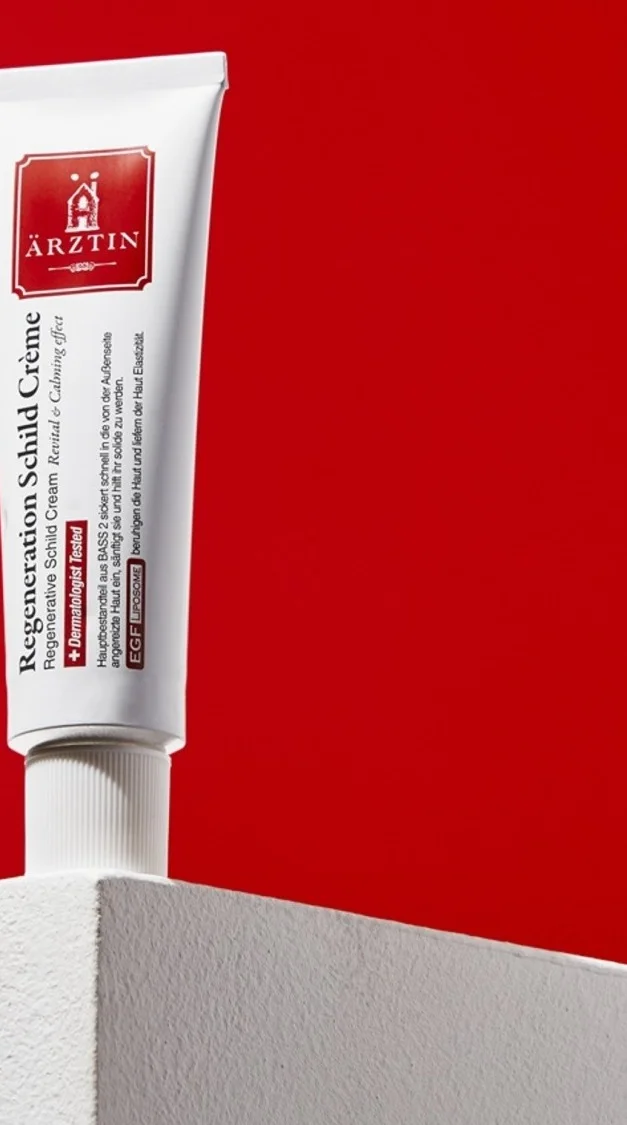 리제너레이티브 실트 크림Buy
주름 개선 기능성 화장품 · 탄력과 장벽을 함께 보는 리치 크림