
Skin sensitized by mask and collar friction, how should you deal with it
If the areas where mask straps or collars rub against your skin keep turning red and stinging, it's likely that physical friction has thinned the skin's surface and made it sensitive to irritation. Along with habits that reduce friction, following a low-irritation soothing and moisturizing routine in order usually helps calm it down, but if redness persists for a long time, it's safer to consult a dermatologist or similar specialist.
Spots like the jawline, cheeks, or bridge of the nose, where mask straps or collars repeatedly touch, often look especially thin-skinned and can burn with even a slight brush. If an area that used to settle down in a day or two keeps turning red or flaking lately, it may not simply be 'because you're tired'—it could be the result of accumulated physical friction.
This article covers why skin becomes sensitive from friction, how it appears differently by area and by timing, and the order in which to care for it while reducing irritation.
- 1Gentle cleansingRinse with foam without rubbing
- 2Soothing tonerSmooth texture with panthenol and allantoin ingredients
- 3Finishing creamMaintain moisture and protect against irritation with an oil film
Why do only the spots touched by masks and collars become especially sensitive?
When the skin's surface is exposed to repeated friction, the stratum corneum can gradually become disrupted, which may temporarily lower its defense against outside irritation. Typical examples include behind the ears and the jawline where mask straps catch, the side of the neck where a turtleneck collar touches, and the bridge of the nose where glasses rub—these areas tend to have thinner skin or frequent movement, so they receive friction irritation more often.
On top of this, factors like moisture or heat trapped inside a mask, or static electricity from winter knitwear and scarves, can add to the irritation, making redness or stinging more likely to appear. If you've also been using a particular cleanser or exfoliating product, that influence shouldn't be ruled out either, so it helps to check whether you've recently changed any habits.
Friction irritation that varies by area and timing
Reactions caused by friction differ somewhat depending on the area and situation. During daytime hours when a mask is worn for a long time, the jawline and inner cheeks often become pressed and moist, leading to redness accompanied by a warm feeling, and sometimes a burning sensation appears right after removing the mask before settling down.
On the other hand, the neck and collarbone area, where a winter scarf or knit collar touches the skin, can experience both dryness and friction together, sometimes causing flaking that looks white or accompanying itchiness. If symptoms suddenly worsen when clothing changes with the season, or when switching to a new mask or clothing material, it's worth considering whether the rough surface of the material itself might be the cause.
| Area | Main Irritating Factor | Common Reaction |
|---|---|---|
| Jawline / Cheeks | Mask straps, moisture, heat | Redness, burning sensation |
| Nose bridge | Pressure from mask or glasses temples | Stinging, marks |
| Neck / Collarbone | Collar or scarf friction, dryness | Flaking, itchiness |
In what order should friction-affected areas be soothed
The first thing to do is reduce the cause of friction. Adjust mask straps so they're not loose, but also not digging into the skin, and using aids like neck-band styles or ear savers instead of ear loops is another way to change the contact surface. For areas touched by a collar, choosing clothing that isn't too tight around the neck, or adding a soft lining on the inside, can also help.
Next comes the cleansing step. For areas that have experienced friction, the basic approach is to gently rinse with a well-lathered, mildly acidic cleanser without rubbing. After that, it's fine to smooth the skin's texture with a toner or soothing product containing ingredients like panthenol or allantoin that help calm irritation, and finish with a cream that has some richness to seal in moisture and prevent it from evaporating—this order isn't harsh on irritated skin.
During this process, it's best to avoid adding new exfoliating products or strongly scented products. When the skin is sensitive, keeping the routine simple with fewer ingredients and low-irritation products is more favorable for recovery.
Why friction and elasticity need to be cared for together
When focus is placed solely on soothing an area made sensitive by friction, it's easy to overlook the fact that the skin texture and elasticity in that area are also being affected. Repeated friction and irritation not only roughen the skin's surface but, over time, can also make the texture in that area appear more pronounced or leave an impression of reduced elasticity.
So once a soothing routine has become somewhat established, choosing a cream that also considers elasticity care as a finishing step can be one option to keep in mind.
The finishing step: which cream should you choose
Since areas of frequent friction are exposed to irritation throughout the day, it's better to protect the skin with a long-lasting oil film specifically during the last step of your evening skincare. 에르쯔틴 리제너레이티브 실트 크림 is a rich-type formula containing barrier lipid ingredients like ceramide NP, cholesterol, and palmitic acid along with centella asiatica-derived ingredients, making it a product worth placing at the end of an evening routine for skin sensitized by friction. However, if irritation still remains, it's safer to start with a small amount and watch how the skin reacts, and if stinging or redness worsens, it's recommended to stop use and consult a dermatologist or similar specialist.
The final step: what cream should you finish with?
Since areas of frequent friction are exposed to irritation throughout the day, it's better to protect the skin with a long-lasting oil film specifically during the last step of your evening skincare. 에르쯔틴 리제너레이티브 실트 크림 is a rich-type formula containing barrier lipid ingredients like ceramide NP, cholesterol, and palmitic acid along with centella asiatica-derived ingredients, making it a product worth placing at the end of an evening routine for skin sensitized by friction. However, if irritation still remains, it's safer to start with a small amount and watch how the skin reacts, and if stinging or redness worsens, it's recommended to stop use and consult a dermatologist or similar specialist.
Frequently asked questions
- Why does skin turn red from mask or collar friction?
- Repeated friction can disrupt the surface of the stratum corneum, temporarily lowering the skin's defensive ability. When factors like moisture and heat inside the mask, or static from fabric, add on top of this, irritation can overlap and redness or a burning sensation may appear more easily. The degree can vary depending on individual skin condition or the products being used.
- How should I change my skincare when I have to wear a mask for a long time?
- If mask-wearing time is long, it's good to simplify your morning routine by focusing on low-irritation moisturizing products rather than heavy makeup base. In the evening, it's recommended to gently cleanse areas that have been pressed and made humid by friction, then finish with a soothing-ingredient toner and an oil-rich cream to ease irritation.
- My jawline gets especially irritated—is there a separate way to care for it?
- The jawline is a spot where mask straps and folds overlap, so irritation tends to concentrate there. It helps to first adjust the strap position or use an auxiliary tool that changes the contact surface, and after cleansing, patting products in to absorb rather than rubbing helps avoid adding physical irritation.
- What order should I follow to soothe areas made sensitive by friction?
- The priority is first to reduce the source of friction itself, and then keep the routine simple with gentle cleansing → soothing-ingredient toner → oil-rich finishing cream. During this process, it helps to reduce irritation by pausing exfoliants or strongly fragranced products for a while.
- If redness doesn't go away, should I see a doctor?
- If redness or stinging continues or worsens even after reducing friction and following a soothing routine for several days, there may be a cause beyond simple friction, so it is recommended to consult a dermatologist or other specialist.
Reviewed by 아비쥬의원 의료진. (September 4, 2026)
Related products
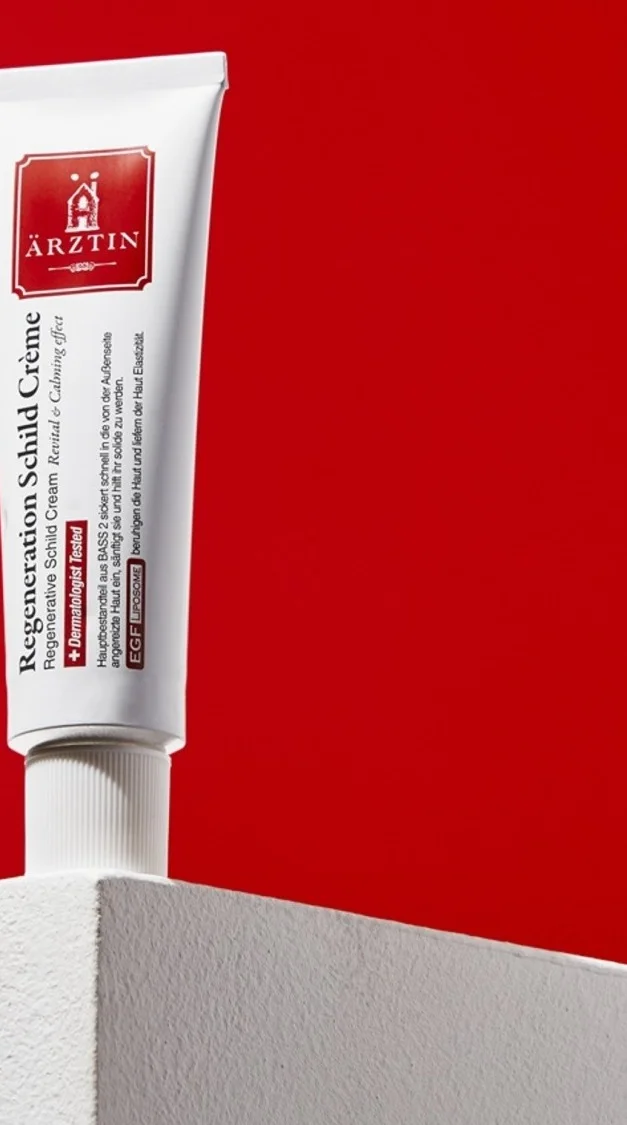 리제너레이티브 실트 크림Buy
주름 개선 기능성 화장품 · 탄력과 장벽을 함께 보는 리치 크림