
What to Do Differently in Morning Routine and Night Routine
The core of the morning routine is 'protection,' and the core of the night routine is 'replenishment and settling.' A short, light sequence finishing with sunscreen suits the morning better, while a rich finish that refills the barrier and moisture damaged throughout the day suits the night better. There's no need to structure both routines identically.
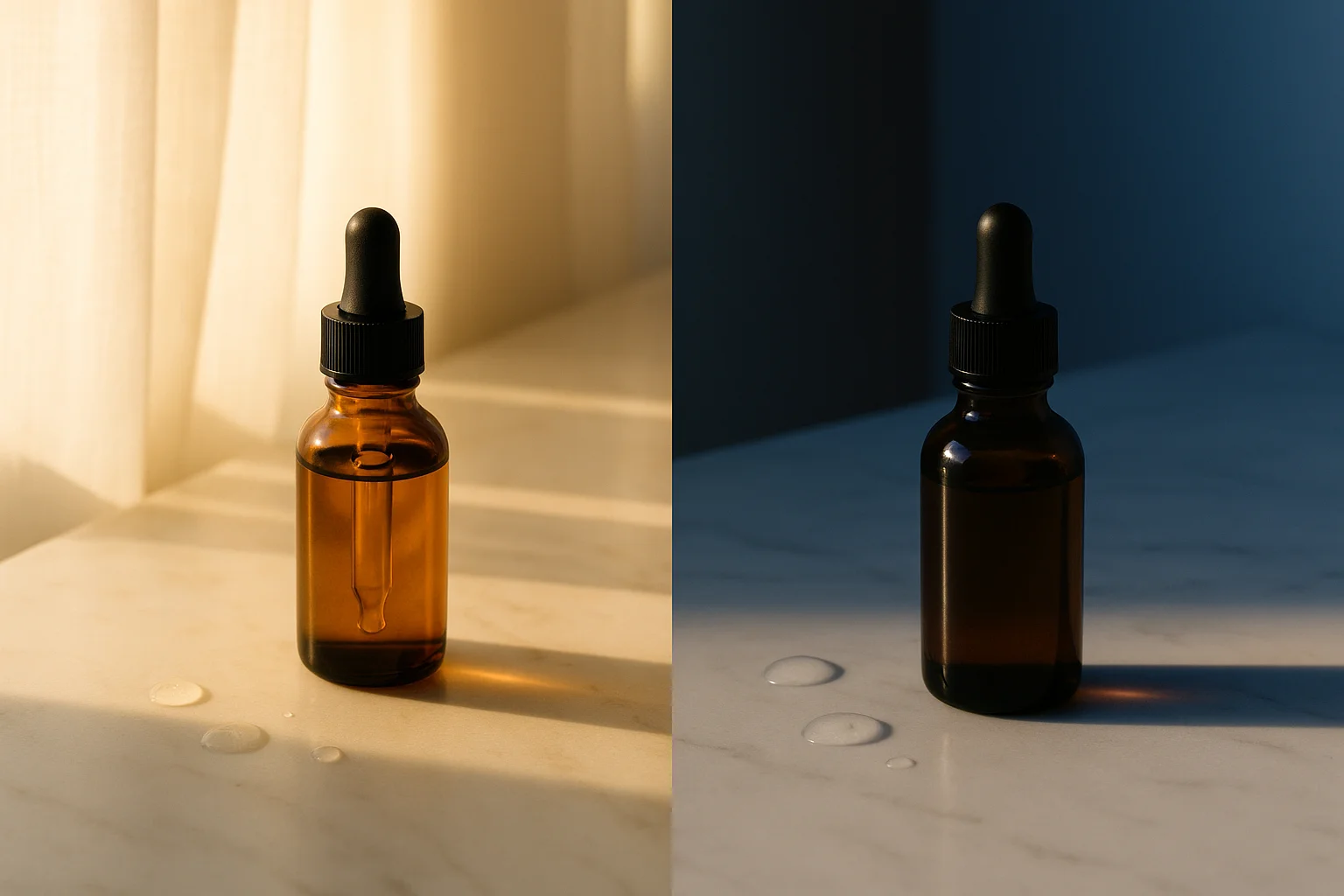
When people hear 'skincare routine,' it's easy to picture applying exactly the same products morning and night. But since the skin's situation itself differs between day and night, it's natural for the purpose of the routine to differ slightly as well.
This article practically organizes what happens to the skin in the morning versus at night, and accordingly, how to set the order and priorities differently.
Why skin condition differs between morning and night
In the morning, the skin has finished recovering overnight and is starting the day. At this point, the most important task is 'protection from external stimuli.' Since the skin needs to withstand external factors like UV rays, fine dust, and temperature changes, it makes sense to keep the morning routine light and fresh, finishing with sunscreen at the end.
In contrast, at night the skin is a time for clearing away the stimuli accumulated during the day and preparing for the next day. During this time, there's no need to worry about sunscreen or makeup interfering with absorption, so you can layer on moisturizing and oil-based ingredients more generously. That's why it suits the skin well to place a heavy texture like cream as the final step at night.
In the end, thinking of mornings as 'light protection' and nights as 'thick replenishment' makes it much easier to put together a routine.
Points to view differently depending on condition and season
During periods when you often feel dryness, it can help to vary the intensity by time of day—applying a thin moisturizing base in the morning, and at night, applying a bit more generously a cream containing moisturizing and barrier-care ingredients like ceramides and panthenol.
During periods of intense external irritation, such as seasonal transitions, sunscreen plays a bigger role in the morning routine, while it's natural for the night routine to conclude with ingredients focused on soothing skin that's become sensitive throughout the day.
If you have long-term concerns like elasticity or wrinkles, rather than putting effort into both morning and evening, it's more realistic to focus on the final step of the night routine. Allowing ingredients to stay on the skin in cream form during resting hours also helps maintain the care habit longer.
However, skin condition and reactions can vary by person, so if irritation or troubles continue during a certain period, it's safer to consult with a specialist and adjust the routine rather than forcing more steps.
| Period/Concern | Morning Routine Point | Night Routine Point |
|---|---|---|
| When dryness is frequent | Thin moisturizing base | Generous ceramide/panthenol cream |
| When irritation is severe, such as during seasonal transitions | Strengthen sunscreen role | Finish focused on soothing ingredients |
| Elasticity/wrinkle care | Keep light | Focus on the final cream step |
Morning and Night Routines Organized Step by Step
For the morning routine, it's less burdensome to keep it short: gentle cleansing → toner for skin texture → light moisturizing (ampoule or lotion type) → sunscreen. Sunscreen should always be applied as the very last step of skincare, right before makeup, in that order.
For the night routine, it's recommended to follow this flow: cleansing to remove the day's residue → toner to smooth skin texture → ampoule or serum for intensive care → finishing with a rich cream. In particular, the final cream step stays on the skin for many hours before sleep, making it a good time to choose a formula with some oiliness to hold in moisture and prevent it from evaporating.
If mornings are busy, it's fine to reduce steps by using a product that combines toner and moisturizing, prioritizing just not missing the sunscreen. Conversely, at night, taking a bit more time to include the final cream step is advantageous for balancing the overall daily routine.
- 1Morning: CleansingStart with gentle cleansing
- 2TonerSmooth skin texture
- 3Light moisturizingAmpoule or lotion type
- 4SunscreenLast step of skincare, right before makeup
- 5Night: CleansingRemove the day's residue
- 6TonerSmooth skin texture
- 7Ampoule/SerumIntensive care
- 8Rich creamFinal finish, locking in moisture
The Final Step: What Cream to Finish With
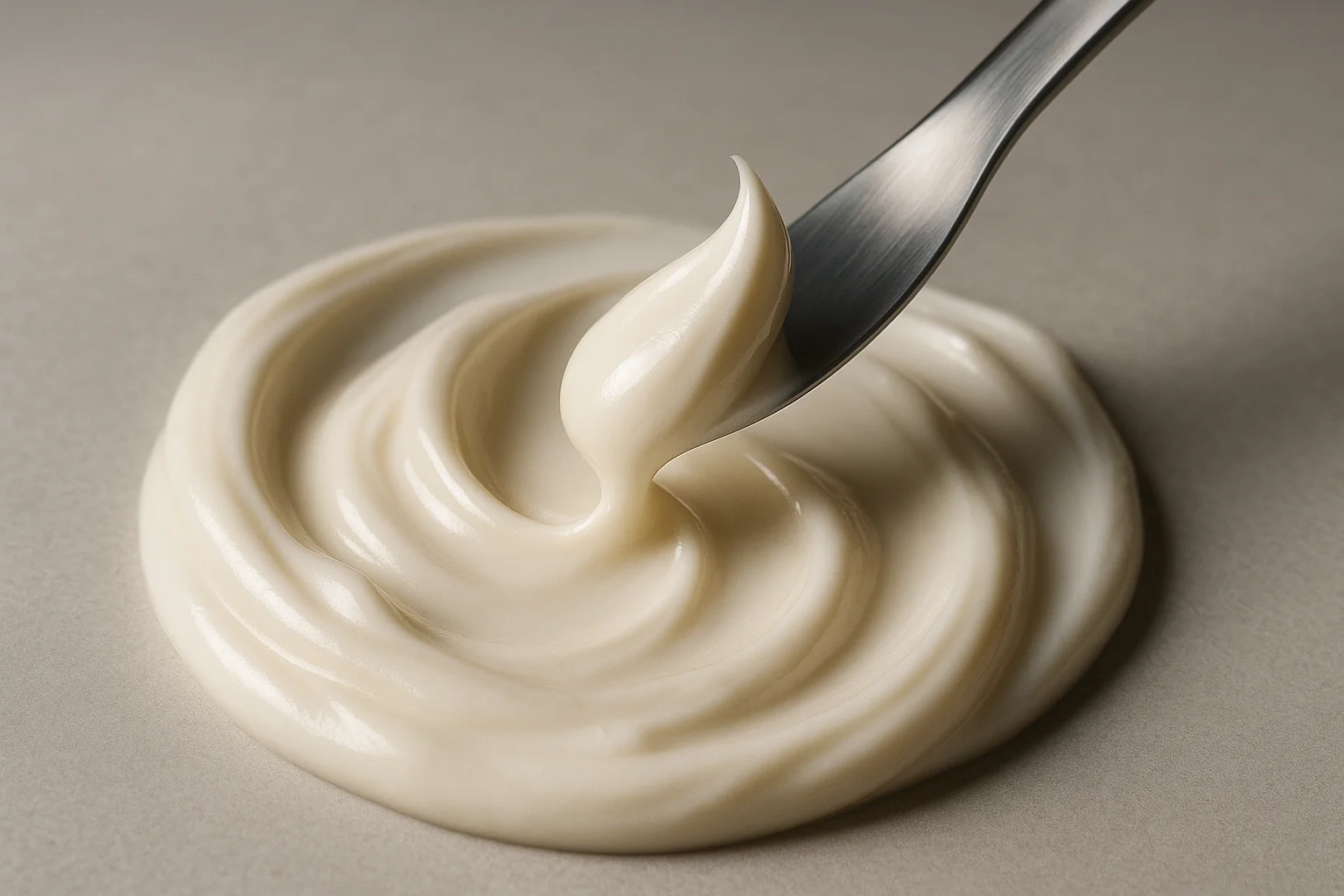
For this reason, many people pay attention to the 'final cream of the night routine.' 에르쯔틴 리제너레이티브 실트 크림 is a rich-type cream designed for use as the final step, a wrinkle-improvement functional cosmetic (with the notified ingredient adenosine) that has undergone review by Korea's Ministry of Food and Drug Safety. It contains three types of peptides along with barrier lipid ingredients such as ceramide and cholesterol, plus moisturizing ingredients like panthenol and betaine, making it good for use as a finishing step that holds in moisture during the night. However, individual experience may vary depending on skin condition, and if any adverse reaction is felt during use, it is safer to stop use and consult a specialist.
Frequently asked questions
- Should I use cream in the morning too?
- It's not essential. Since the priority in the morning is protection finished off with sunscreen, it often works better to smooth the skin's texture with a light moisturizing product rather than cream, then apply sunscreen. On days when dryness is especially severe, you can add a thin layer of cream, but you shouldn't forget to finish by layering sunscreen afterward.
- Are there ingredients that are better used only at night?
- It's not a fixed rule, but rich creams with an oily feel or products with a heavy texture are more comfortable to use at night, when there's no need for them to overlap with sunscreen or makeup. Ingredients aimed at barrier care or maintaining moisture also blend naturally into a routine when used at night, while the skin is resting.
- At what step should sunscreen be applied?
- The basic order is to apply it as the very last step of skincare, right before applying makeup. Applying it before toner or moisturizing products can interfere with absorption, so it's recommended to always spread it thinly and evenly as the final step.
- How can I shorten my morning routine?
- You can use a product that serves as both toner and moisturizer, or skip the ampoule step, leaving just two steps after cleansing—moisturizer and sunscreen. However, it's best not to skip sunscreen in the morning routine.
- Do the morning and night routines need to match exactly?
- There's no need for that. Since the purpose differs—protection in the morning, replenishment and settling at night—it's more efficient to vary the weight of the products used and the number of steps according to the time of day.
Reviewed by 아비쥬의원 의료진. (August 31, 2026)
Related products
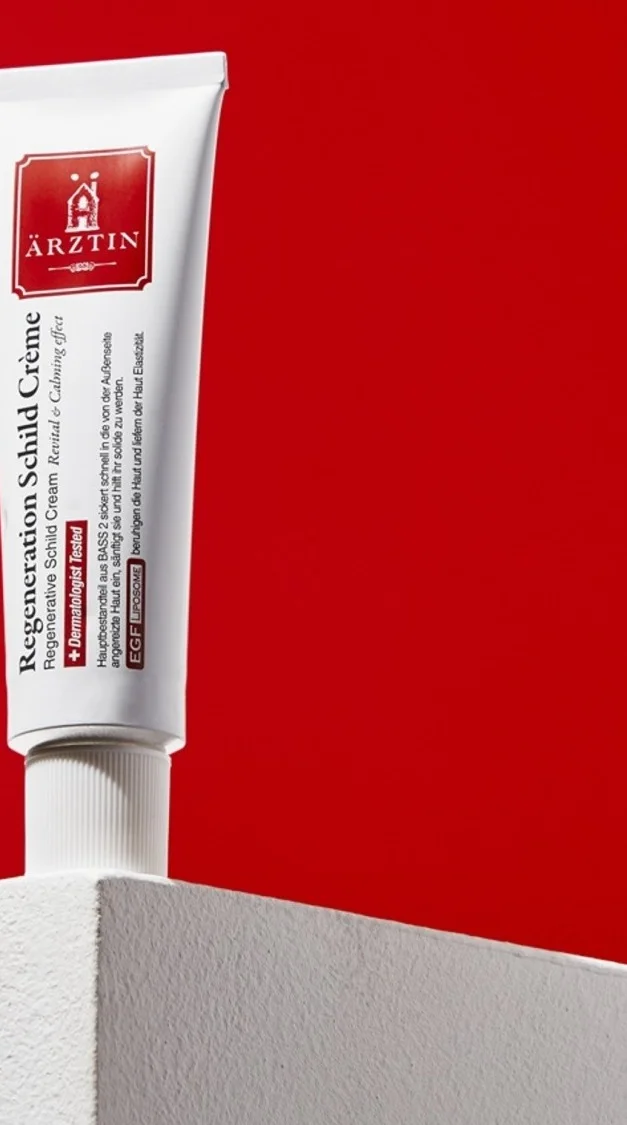 리제너레이티브 실트 크림Buy
주름 개선 기능성 화장품 · 탄력과 장벽을 함께 보는 리치 크림