
Why cosmetics pill and turn white — changing the order alone makes a difference
Skincare pilling or whitening is mostly a problem of 'layering order' and 'absorption waiting time' rather than the products themselves. Applying oily, high-viscosity products first, or layering the next product before the previous step has fully absorbed, tends to cause pilling on the surface. Breaking down the cause layer by layer and rearranging the order alone resolves much of the issue.
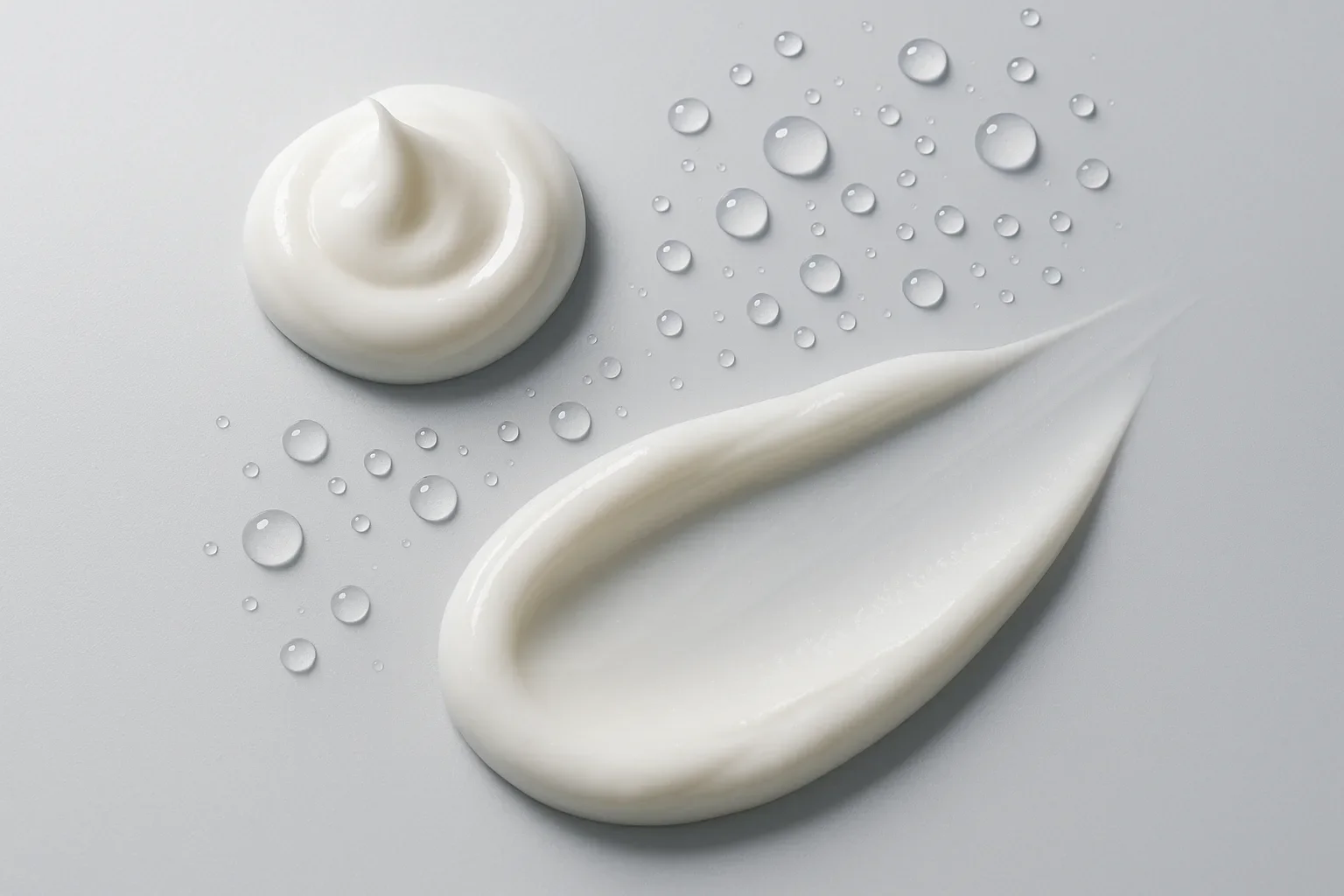
It's a common experience to have makeup pill during the last step of morning skincare, or to see white residue appear when applying sunscreen or makeup over cream. When this happens repeatedly, you might suspect the products don't suit you, but in reality, the cause can often be found not in the ingredients but in the 'order of application' and the 'gap between steps.'
This article organizes the basic mechanism behind pilling and white residue, and looks step by step at where the problem occurs in different situations and how rearranging the order can help.
- 1Toner/EssenceStart with thinner textures
- 2Wait for absorptionCheck by pressing lightly with your hand
- 3CreamSave thicker textures for later
- 4Wait for absorptionUntil nothing remains on the surface
- 5SunscreenSpread on in small amounts
Why does pilling and white residue happen — what occurs on the surface
When you apply something to your skin, that product splits into a portion that gets absorbed and a portion that stays on the surface. If you layer the next product while the previous one is still on the surface, the two products mix together on the skin and areas where the textures don't match get pushed up into clumps. This is what's commonly called 'pilling.'
White residue can occur through a slightly different mechanism. Some sunscreen ingredients tend to leave a small amount of white residue, and when an oily cream or foundation is layered on top of this, the two layers don't blend smoothly and appear to lift off the surface. Another factor is the difference in viscosity. When a thicker texture is placed over a thinner one, the layer underneath gets pushed up, leaving marks where it clumps.
In other words, pilling and white cast each have slightly different causes, but they share the same starting point: applying the next layer before the previous layer has properly settled.
When does it happen more often — breaking it down by situation
Even with the same products, if some days go smoothly and others don't, it's worth first checking the conditions of that particular day. For example, in dry indoor air during winter, dead skin cells tend to lift slightly, making anything applied on top feel like it's catching. Conversely, in summer when sweat or sebum increases, oils can push against each other, creating something that looks like white cast.
In terms of product combinations, the order most often causes problems between the last step of skincare and sunscreen, and between sunscreen and makeup. If sunscreen is layered while cream still remains on the surface, pilling occurs at that boundary, and if foundation is patted on before the sunscreen has settled, white cast and clumping can appear at the same time.
Pilling is also more noticeable during periods when the skin itself is drier or more sensitive than usual. If the surface isn't smooth and the texture is rough, any product applied on top fails to spread evenly and instead clumps in certain areas.
| Situation | Priority Check Point |
|---|---|
| Sunscreen over cream | Check whether the cream has absorbed first |
| Makeup over sunscreen | Allow even a short waiting time |
| Dry seasons or days with flaking | Smooth out surface texture before layering |
| New product combinations | Test on the back of the hand in advance |
Order of solutions — what to change first
The most practical way to reduce pilling and white cast is not to change products but to rearrange the order and intervals between them. Checking one by one in the order below can help narrow down the cause.
First, allow absorption waiting time. If you go through several steps like toner, essence, and cream, it's better to leave even a short interval between each step before moving to the next. Rather than layering hastily, gently pressing with your palm to check that absorption has occurred before moving to the next step is the most basic way to reduce pilling.
Second, check the order of textures. The principle is to proceed from thin textures to thick textures. Following an order where viscosity gradually increases — starting with something light like toner, then ampoule, then cream — reduces the chance of a later step pushing against an earlier one.
Third, check the compatibility between sunscreen and cream. If sunscreen is applied while cream still remains on the surface, both white cast and pilling can occur at the same time, so make sure to let the cream absorb fully before applying sunscreen, then leave a short interval again before moving on to makeup.
Fourth, if the problem still persists, try reducing the amount. Applying a large amount at once requires more time to absorb, so even with the same product, applying it in smaller portions can help.
How can you check texture compatibility in advance?
Rather than going through trial and error by changing the order every time, there's also a method of layering two products in sequence on the back of your hand or inner arm to check in advance whether pilling occurs. In particular, testing a newly purchased sunscreen or cream against your existing routine before adding it in can help filter out compatibility issues before they fail on your face.
However, this kind of order adjustment is more of a habit that smooths out the day's condition and finish, and doesn't change the direction of the moisture or elasticity care your skin needs to fulfill. Once the order is sorted out, what remains is the question of what ingredients the cream you apply in the final step is actually designed with.
The Final Step: Which Cream to Finish With
If, even after taking care of the order and absorption time, a sense of pilling still remains specifically at the final cream step, it's worth reexamining the formulation of that cream itself. A rich-type cream plays the role of sealing in the moisture from the previous steps, so a certain level of density is a natural characteristic, but by applying it in small amounts and observing absorption time, you can find a way to finish without pilling even with this kind of formulation. 에르쯔틴 리제너레이티브 실트 크림 is a rich-type formulation designed to be applied in the final step, containing oil and lipid ingredients such as ceramide NP and squalane along with adenosine as a notified ingredient, and has undergone functional efficacy review for wrinkle improvement. If you layer this kind of cream on top of the habit of sorting out your order, you can take care of both finish and elasticity care together.
Frequently asked questions
- Why does my makeup keep pilling?
- In most cases, this happens because the next product is layered while the previous one is still sitting on the skin's surface. Allowing a bit more time for absorption and applying products in order from thin to thick textures often reduces pilling. During periods when the skin has flaking or dead skin cells, pilling can occur more easily than usual, so there is individual variation.
- What should I do when sunscreen and cream ball up together?
- It helps to let the cream absorb fully first, then apply sunscreen, and wait briefly again before moving to the next step. Rather than applying a large amount of either product at once, spreading it on in small amounts also helps reduce pilling.
- How much time should I leave for absorption between steps?
- There's no fixed amount of time, but a good rule of thumb is to wait until the product feels absorbed when you press it lightly with your palm before moving to the next step. It's safer to allow some time rather than layering products in a rush.
- How can I check texture compatibility in advance?
- One method is to apply two products in the actual order you'd use them on an inconspicuous area like the back of your hand or inner arm, and check whether pilling or white residue appears. Doing this before adding a newly purchased product to your existing routine can reduce trial and error on your face.
- If pilling continues even after changing the order, should I see a doctor?
- If it's simply a matter of texture compatibility, adjusting the order usually improves things, but if pilling is accompanied by symptoms like redness or stinging that persist for a long time, it's advisable to consult a dermatologist or similar specialist.
Reviewed by 아비쥬의원 의료진. (September 6, 2026)
Related products
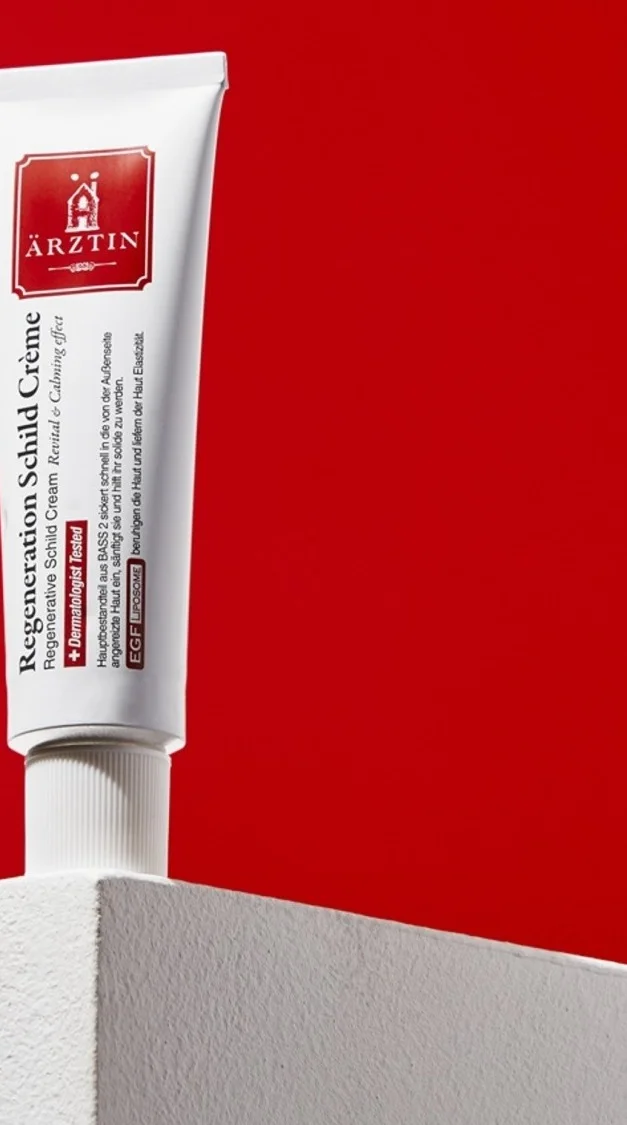 리제너레이티브 실트 크림Buy
주름 개선 기능성 화장품 · 탄력과 장벽을 함께 보는 리치 크림