
When Pores Look Stretched, the Relationship Between Elasticity and Pores
If your pores look vertically elongated and stretched every time you look in the mirror, this is often not because the pores themselves have gotten bigger, but because reduced skin elasticity causes the tissue around the pores to sag, making them stand out like shadows. In other words, a significant part of pore concerns is connected to the elasticity structure beneath the skin's surface. Understanding the cause makes the direction of care much clearer.
Many people say that pores that looked fine in the morning appear especially elongated by the afternoon. This phenomenon is a bit different from simply saying 'the pores have widened.' In fact, in dermatology clinics and the beauty industry, this is sometimes called 'sagging-type pores' or 'teardrop pores'—it's not that the pore opening itself has gotten bigger, but rather an optical illusion in which the skin around the pore sags slightly downward, making the pore appear elongated vertically.
Understanding why pores look stretched, starting with the elasticity structure
Beneath the epidermis, fibrous tissues such as collagen and elastin are intertwined like a net, supporting the skin's elasticity. When this support structure is dense, the skin around the pore is pulled taut, making the pore look round and small.
However, as one ages, or with repeated UV exposure, frequent sebum secretion, and irritation, this support structure gradually loosens. Then the skin around the pore sags minutely in the direction of gravity, making the originally round pore appear stretched vertically into an oval or teardrop shape. In other words, much of the impression that 'pores look big' can be attributed not to the size of the pore itself, but to the shadows and contours created by the decline in elasticity around it.
Pore concerns that appear differently by area and by time
Areas with well-developed sebaceous glands, such as the inner cheeks or cheekbone area, tend to have relatively noticeable pores to begin with, but these are also the areas where sagging becomes most visible first once elasticity starts to decline. Around the forehead and nose wings, round pores related to sebum secretion tend to stand out more often, while along the cheek-to-jaw line, vertical-shaped pores linked with reduced elasticity tend to appear relatively more often.
In the twenties, sebum secretion itself is often the main cause of pore concerns, whereas from the mid-thirties onward, sebum issues and reduced elasticity tend to overlap, leading to a period where both wide and elongated pores become noticeable at the same time. However, since the timing and degree vary from person to person depending on skin type and lifestyle habits, it is more helpful to observe one's own skin changes consistently rather than drawing conclusions based on a specific age.
| Category | Characteristics |
|---|---|
| Forehead / nose wings | Round pores related to sebum secretion |
| Cheek-to-jaw line | Vertical-shaped pores linked with reduced elasticity |
| Twenties | Sebum secretion is often the main cause |
| Mid-thirties and beyond | Sebum and reduced elasticity tend to overlap |
What order should you follow when addressing pore care?
When addressing pore concerns, it is good to think about 'sebum management' and 'elasticity care' together. First, at the cleansing stage, it is basic to manage things gently so that old dead skin cells and sebum do not build up inside the pores without being too harsh. Next, at the moisturizing stage, it is important to balance moisture and oil so the skin barrier does not dry out, because when skin becomes dry, sebum secretion can actually increase, making pores appear even more prominent.
In addition, combining this with care that pays attention not only to the skin surface but also to the elasticity structure beneath it can help ease the impression of sagging caused by drooping around the pores. Consistently maintaining sun protection habits is also a basic form of care for slowing down the rate of elasticity decline.
The direction of elasticity care as seen through ingredients
Among cosmetic ingredients, adenosine, well known as a Korea Ministry of Food and Drug Safety-notified functional ingredient for wrinkle improvement, and peptides, which are short amino acid combinations, are often used in products designed for elasticity care. When combined with ingredients like centella asiatica derivatives, long used for skin soothing care, along with lipid ingredients such as ceramides and cholesterol that make up the skin barrier, these can help create an environment that supports the skin in maintaining a condition similar to its state before damage occurred.
However, it cannot be concluded that these ingredients physically reduce pore size itself, and approaching them strictly from the perspective of managing skin elasticity and moisture condition is the safer and more realistic direction.
The final step: what cream should you finish with?
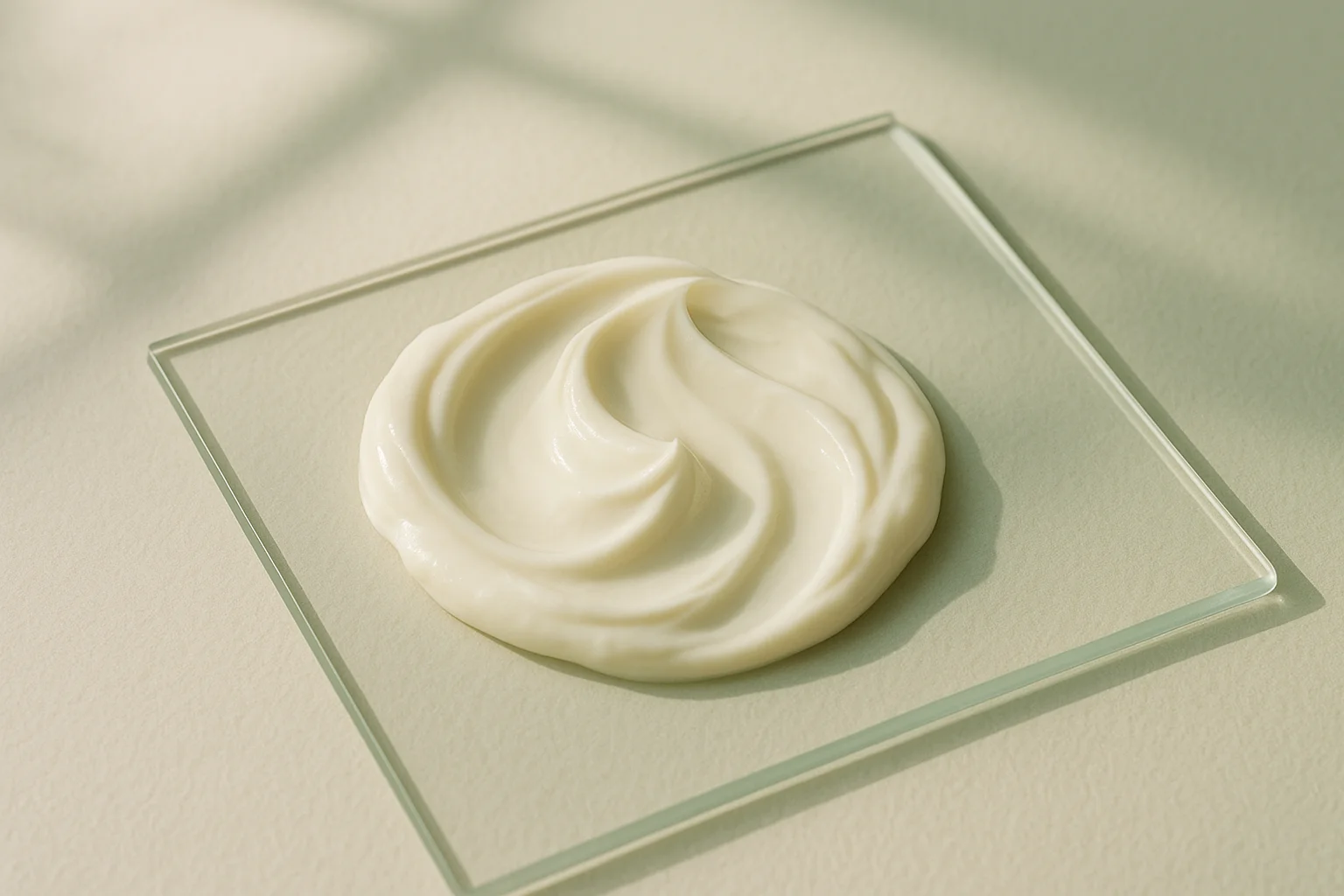
Looking at pore concerns from the perspective of elasticity like this, one approach when choosing your everyday cream can be to check not only for hydrating power but also whether elasticity care ingredients are incorporated together. Using a product like 에르쯔틴 리제너레이티브 실트 크림, which contains adenosine, three types of peptides, and centella asiatica-derived ingredients together, as a finishing step is also an option worth considering.
Frequently asked questions
- Why do pores look elongated vertically?
- Rather than the pore opening itself becoming larger, it is often the case that the elastic support structure of the skin around the pore loosens, causing the skin to sag slightly downward and making the pore appear stretched into an oval shape. This is commonly referred to as 'sagging-type pores.'
- Do pores get bigger as you age?
- Rather than the pore size itself, as you age, the tissue that supported elasticity loosens and sebum secretion patterns change, which tends to strengthen the impression that pores stand out more or appear stretched. However, since the speed and degree of progression vary greatly by individual, it's best to observe based on your own skin's changes.
- What is the relationship between pores and sebum?
- Areas with active sebum secretion tend to have pores that look relatively wide, and when sebum and old dead skin cells accumulate inside the pores, the pores can appear more prominent. Conversely, even when skin is dry, sebum secretion may increase compensatorily, making pores a concern, so it's good to consider moisturizing and sebum management together.
- In what order should pore care be done?
- Generally, it works well to first cleanse gently to tidy up the inside of the pores, then go through a moisturizing step to balance water and oil, and finish with a product containing elasticity-care ingredients. If any adverse reaction is felt on the skin, it is safer to stop use and consult a specialist.
Reviewed by 아비쥬의원 의료진. (August 31, 2026)