
Reading the Ingredient Design of Rich Cream — Adenosine, Peptides, Centella Asiatica, Barrier Lipids
The full ingredient list may be long, but the criteria for reading it are simple. Checking just three things — which functionally reviewed and notified ingredients are present, whether barrier-forming lipids are included, and what combination of oils is used — reveals the direction of the formulation.
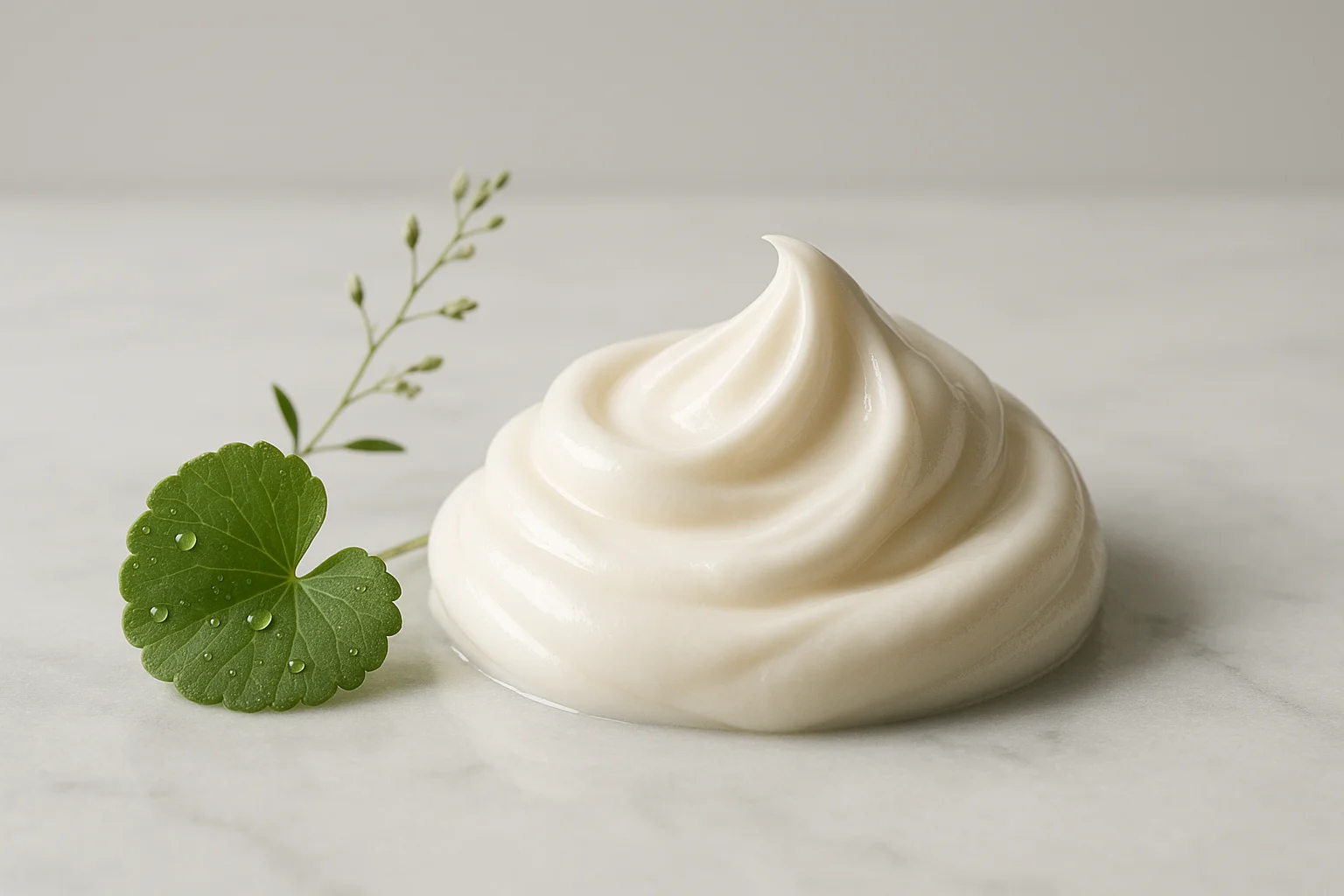
Few people read a full ingredient list from start to finish when choosing a cream. But if you set a few criteria in advance, you can quickly read what a formulation is trying to do even from a long list.
Criterion 1 — What is the functional-notice ingredient
Wrinkle-improvement functional cosmetics are products examined by the Korean Food and Drug Administration. Checking whether the notice ingredient that serves as the basis is included in the full ingredient list lets you know exactly what the 'functional' label applies to. For wrinkle improvement, the representative notice ingredient is adenosine.
What matters here is scope. If the examined item is wrinkle improvement, what can be claimed extends only to wrinkle improvement. Phrasing that reads as though other items were also examined is worth being wary of.
Criterion 2 — Are there lipids that make up the barrier
The skin barrier is formed by layers of lipids such as ceramides, cholesterol, and fatty acids. If ingredients from the same family—such as Ceramide NP, Cholesterol, and Palmitic Acid—appear together in the full ingredient list, it can be read as a design aimed at filling in a texture broken down on the surface.
Criterion 3 — What is the oil combination like
Whether it's a rich type or a light type is decided by the oils. If several heavy oils such as squalane, shea butter, argan kernel oil, and olive oil appear, it's a rich cream meant for the final step. Conversely, if silicone-family ingredients and light esters are the core, it's a fresh type with a smooth finish.
| What to check | What it means | In the case of 실트 크림 |
|---|---|---|
| Functional notice ingredient | What the 'functional' label applies to | Adenosine — examined for wrinkle improvement |
| Barrier lipids | Whether it's designed to fill in broken texture from the surface | Ceramide NP · Cholesterol · Palmitic Acid |
| Oil combination | Whether it's a rich type or a fresh type | Squalane · Shea Butter · Argan Kernel Oil · Olive Oil |
Other things worth keeping in mind
- Peptides — types are distinguished by prefixes and numbers, such as sh-Oligopeptide-1 and rh-Oligopeptide-2. The category is broad, so the context differs by type.
- Centella asiatica-derived — Asiaticoside, Madecassic Acid, Asiatic Acid. When listed as individual ingredient names rather than as an extract, it reads more specifically as to which fraction was targeted.
- Fermentation-derived — an ingredient that has gone through a fermentation process, like Bifida Ferment Lysate.
- Moisture retention — glycerin, betaine, trehalose, panthenol. These hold onto water, so they pair with oils.
Reading through an example — 리제너레이티브 실트 크림
The full ingredient list of 에르쯔틴 리제너레이티브 실트 크림 50g contains adenosine, and this product has been reviewed by the Korean Food and Drug Administration as a functional cosmetic for wrinkle improvement. It also contains three types of peptides (sh-Oligopeptide-1, rh-Oligopeptide-2, rh-Polypeptide-1), three centella asiatica-derived ingredients, and Bifida Ferment Lysate, with ceramide NP, cholesterol, and palmitic acid making up the barrier lipids, and squalane, shea butter, and argan kernel oil making up the oils.
In other words, reading it through the three criteria above reveals a direction of 'a rich cream centered on wrinkle-improvement functionality, finished off with barrier and oils.' It is more accurate not to make assumptions about ingredient content beyond what is disclosed on the label, and the felt experience varies by individual. The full ingredient list can be checked exactly as labeled on the product page.
Frequently asked questions
- Does the order of the full ingredient list have meaning?
- The principle is to list ingredients from highest to lowest content. However, ingredients below a certain percentage can be listed without a fixed order, so it's difficult to determine content solely from order.
- If it's a functional cosmetic, can I expect other effects too?
- It's accurate to expect benefits only for the items that were examined. If the examined item is wrinkle improvement, that's the extent of it.
- Where can I check ingredient content?
- You can only check it when the manufacturer has publicly disclosed the data. Estimating undisclosed content is not accurate.
Reviewed by 아비쥬의원 의료진. (September 2, 2026)
Related products
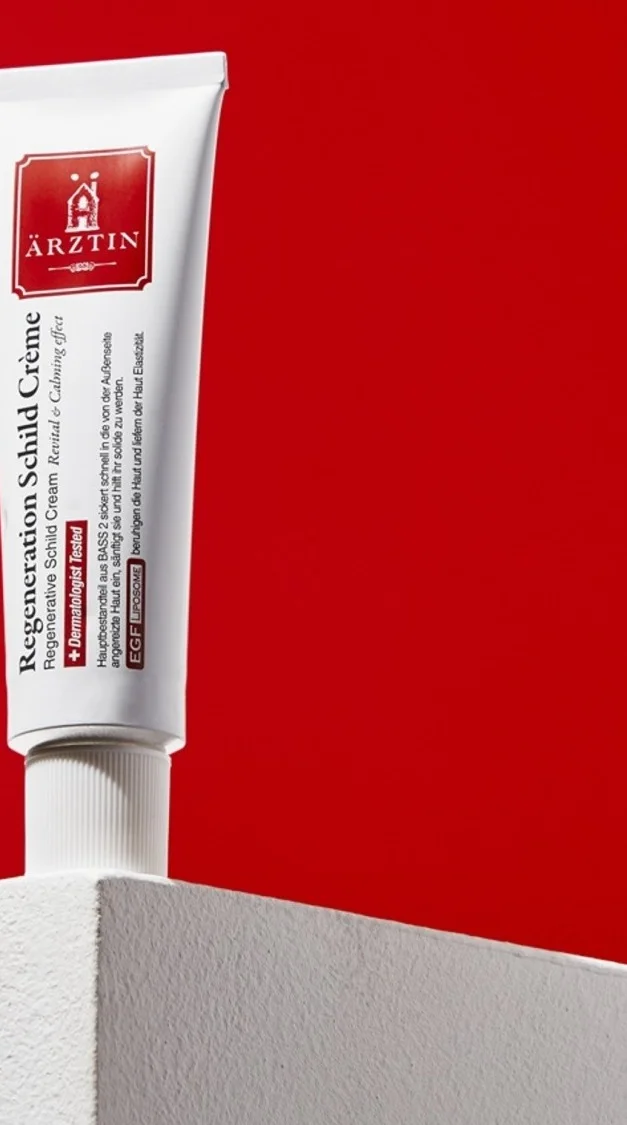 리제너레이티브 실트 크림Buy
주름 개선 기능성 화장품 · 탄력과 장벽을 함께 보는 리치 크림
Related reading
- Wrinkle and Elasticity Care Routine: Order and Priorities Organized
Before adding more products, it's faster to check the order. Sunscreen comes first, followed by barrier and hydration, and wrinkle-improvement functionality on top. Simply following the principle of going from thinner to thicker textures resolves most layering issues.
- 탄력이 예전 같지 않다고 느껴질 때, 피부에서 달라지는 것들
탄력이 떨어졌다는 느낌은 한 가지 원인에서 오지 않습니다. 나이에 따른 피부 구조의 변화, 누적된 자외선 노출, 건조, 반복되는 표정 습관이 함께 작용합니다. 무엇이 달라지는지 먼저 구분하면 루틴에서 어디에 힘을 줄지 정할 수 있습니다.