
Why Skin Becomes Sensitive with Every Seasonal Transition and How to Cope
Sensitivity during seasonal transitions is a natural response that occurs when the skin barrier fails to keep up with changes in temperature and humidity, and it's also a time when, beyond tightness or redness, skin texture can become rougher and elasticity can appear diminished. When the barrier is unsettled during this time, the moisturizing foundation weakens, which can make expression lines or fine lines appear more pronounced, so care that addresses elasticity along with soothing and moisturizing is needed. Simplifying the routine while considering both moisturizing and elasticity care together is key to maintaining skin condition during seasonal transitions.
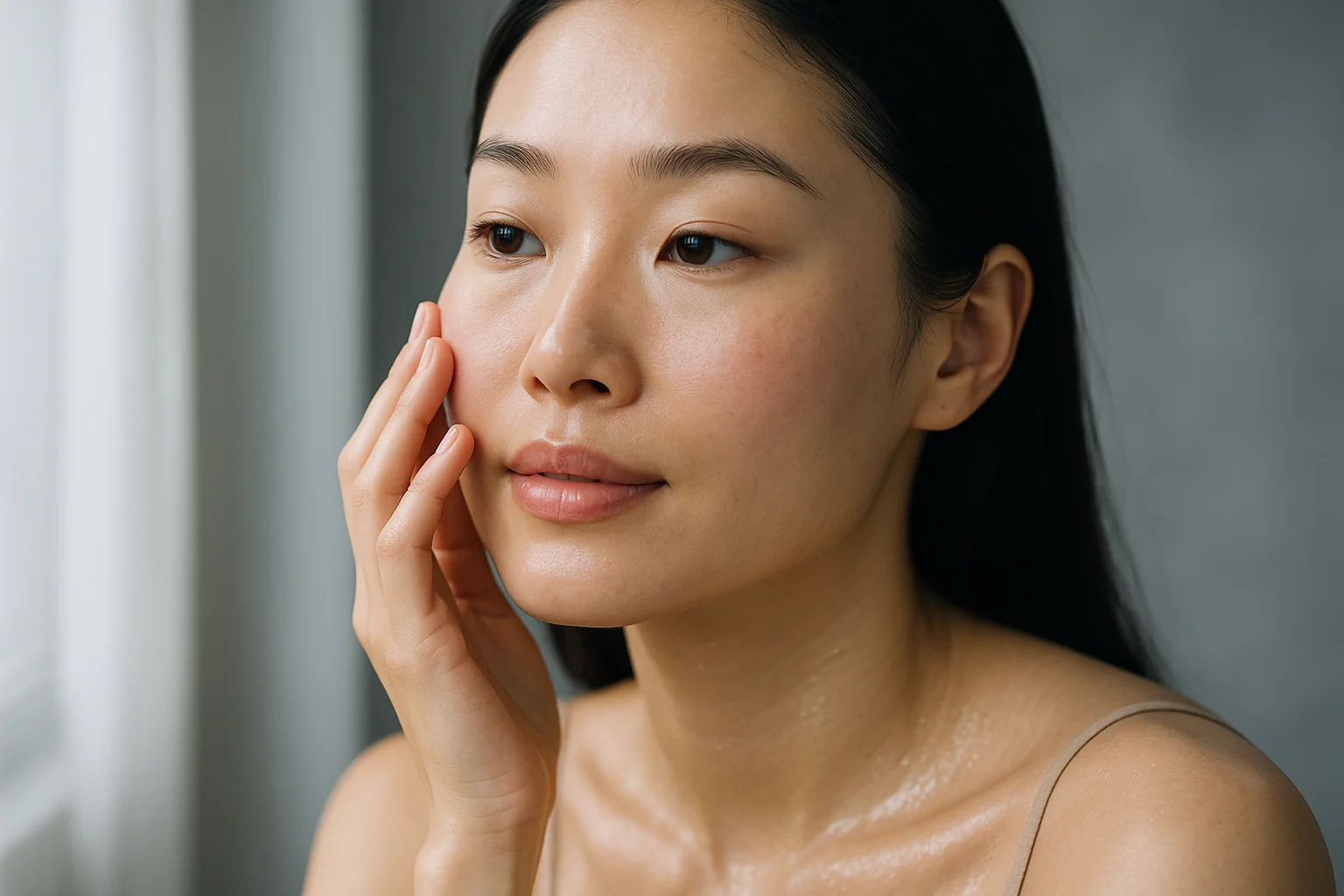
"It was fine yesterday, but today it suddenly broke out." This is a phrase often seen in dermatology consultations or community posts when the seasons change. Even when no particularly new product has been used, if the face feels hot or flaky, it's likely a natural skin reaction to the changing season in most cases. However, during this period, it's easy for things not to stop at sensitive skin alone—dryness and irritation can repeat, leaving the skin texture rough and giving the impression of reduced elasticity. That's why seasonal skin changes need to be addressed not just with on-the-spot soothing care, but also within one's regular elasticity and wrinkle care routine.
In this article, we'll look at the background behind why skin becomes especially sensitive during seasonal transitions, what changes appear at different stages, and the care steps that can be practiced in daily life.
Why skin becomes sensitive during seasonal transitions
Skin is an organ that adjusts its own balance of moisture and oil to match changes in external temperature and humidity. However, during seasonal transitions, temperature differences can be large even within a single day, and humidity can also swing widely, so there are cases where the skin can't keep up with this pace.
In particular, the stratum corneum acts as a barrier that protects the skin from external stimuli, but rapid changes in temperature and humidity can lower this barrier's moisture-retaining ability. When the barrier is weakened, the skin can react more sensitively even to stimuli that wouldn't normally be a problem, such as cleansing, UV exposure, or indoor air.
Also, during seasonal transitions, the autonomic nervous system's process of adapting to temperature changes can make blood vessel responses more sensitive. Because of this, some people experience their face flushing or feeling hot easily, though this varies greatly depending on individual skin condition and overall state.
The Relationship Between Heating/Cooling and Skin Dryness
Seasonal transition periods often overlap with the switch from cooling to heating, or vice versa. Heating and cooling devices tend to rapidly lower indoor humidity, which can cause moisture on the skin's surface to evaporate faster than usual.
Frequently moving between environments with large indoor-outdoor temperature differences can also burden the skin. Repeatedly going from a warm indoor space to sudden cold wind, or the reverse, can easily throw off the skin's oil and moisture balance.
During periods when these environmental factors overlap, it's easy to feel tightness or flaking on the skin, which can be seen as a signal from the skin barrier.
Sensitivity Symptoms That Differ by Timing
During spring and fall, when the daily temperature range is large, tightness and redness in the skin tend to stand out. This is because chilly mornings and evenings combined with dry winds during the day repeat continuously.
Between late fall and early winter, as heating begins, indoor humidity drops sharply, leading more people to experience flaking or fine cracks in the skin.
During the transition from summer to fall, temperatures begin to drop while UV exposure has already accumulated, sometimes leaving the skin exposed to fresh irritation without a chance to recover. In this way, even within the same 'seasonal transition,' the type of burden the skin experiences differs slightly depending on the direction of the season.
A Step-by-Step Care Routine — Try Organizing It Like This
Step one, keep cleansing to a minimum. Washing briefly with lukewarm water and choosing a low-irritation formula rather than a strong cleanser can help.
Step two, reduce the number of skincare steps. Rather than layering multiple new or functional products, simplifying to just the essential moisturizing steps during this period can help reduce burden on the skin.
Step three, focus on barrier care. Products containing ingredients like ceramide, panthenol, and allantoin are known to either resemble the lipids that make up the skin barrier or help with soothing and moisturizing, making them a good option during sensitive periods.
Step four, finish with solid moisturizing. Finishing with a cream containing oil-based ingredients that help lock in moisture can help protect the skin's surface even in dry environments.
Step five, manage indoor humidity. Simply using a humidifier or ventilating frequently can reduce the burden on the skin.
- 1Minimize CleansingBrief washing with lukewarm water, low-irritation formula
- 2Simplify SkincareCondense to essential moisturizing steps
- 3Focus on Barrier CareCeramide, panthenol, allantoin
- 4Finishing MoisturizerPrevent moisture evaporation with oil-based ingredients
- 5Manage Indoor HumidityEase burden with humidifying and ventilation
Seasonal Transition Care, Viewed Through Ingredients
Seasonal transition skin care can be approached by focusing on three main categories of ingredients. First, look after ceramide NP, cholesterol, and palmitic acid, which belong to the same lipid family that makes up the skin barrier. Then consider ingredients like trehalose and betaine that help hold onto moisture, along with soothing and moisturizing ingredients like panthenol and allantoin that help calm irritated skin. Checking whether these three categories are evenly covered is the basic checkpoint for managing skin condition during seasonal transitions.
Ingredients derived from centella asiatica have also long been used as a category of ingredients aimed at soothing sensitized skin. However, since the felt effect of these ingredients can vary depending on individual skin condition and usage environment, it is recommended to first test a small amount with a low-irritation product.
| Role | Representative Ingredients | Care Point |
|---|---|---|
| Barrier lipid family | Ceramide NP, cholesterol, palmitic acid | Belongs to the same lipid family that makes up the skin barrier |
| Moisture retention | Trehalose, betaine | Helps hold onto moisture |
| Moisturizing and soothing | Panthenol, allantoin, centella asiatica-derived ingredients | Care that helps calm irritated skin |
Why finishing moisturizer, cream selection, matters
During times like seasonal transitions when the skin barrier is easily unsettled, the last step of skincare, that is, the role of the cream, becomes more important. This is because after the moisture-supplying step, the cream's basic function is to form a layer with oil so that moisture doesn't escape.
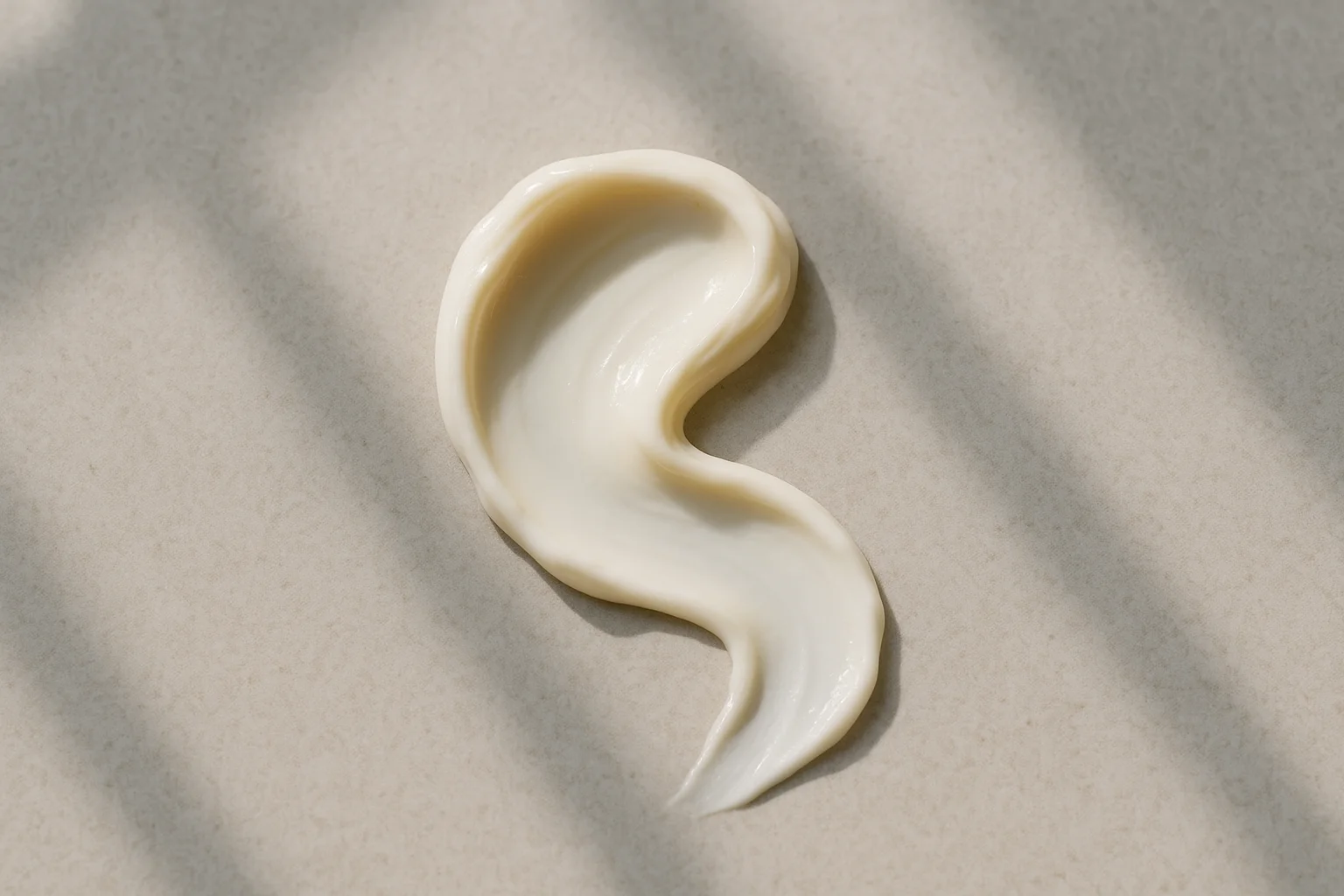
에르쯔틴 리제너레이티브 실트 크림 is a rich-type cream that contains barrier lipid family ingredients like ceramide NP, cholesterol, and palmitic acid together with panthenol, allantoin, and centella asiatica-derived ingredients, and can be considered as an option for the finishing moisturizing step during seasonal transitions. However, during periods of heightened sensitivity, it is recommended to test with a small amount first and gradually expand the scope of use.
Frequently asked questions
- Why does my skin break out every time the seasons change?
- It's often a reaction that occurs because temperature and humidity change greatly over a short period, and the skin barrier can't keep up with these changes. The moisture-retaining ability of the stratum corneum can temporarily drop, making the skin more sensitive to stimuli than usual. If symptoms persist for a long time or are severe, it's safer to consult a specialist.
- Is heating and cooling really related to skin dryness?
- Yes, air conditioning and heating systems tend to lower indoor humidity quickly, which can accelerate moisture evaporation from the skin's surface. Frequently moving between different indoor and outdoor temperatures can also put a strain on the skin's oil-water balance, so during this season it helps to also pay attention to environmental management such as humidifying or ventilating.
- Should I reduce the number of steps in my skincare routine when my skin is sensitive?
- In many cases, yes. Rather than layering multiple products, simplifying the routine to focus on cleansing and moisturizing can help reduce the burden on the skin. It's recommended to avoid introducing new products during sensitive periods, and instead test a small amount first before gradually expanding use.
- How should I put together a moisturizing routine for the changing seasons?
- The basic order is to cleanse with lukewarm water, use a gentle toner to smooth the skin's texture, replenish moisture with a product containing barrier-care ingredients, and finish with a cream that has some oil content to lock in that moisture. Managing indoor humidity alongside this can make the effect feel more stable.
- What should I do if seasonal skin trouble lasts a long time?
- There is individual variation, but if redness or irritation persists or worsens over time, it's safer to consult a dermatology specialist to check the cause rather than relying on self-care.
Reviewed by 아비쥬의원 의료진. (August 31, 2026)