
Which Skin Type Suits Adenosine — Usage Criteria by Type
Adenosine is a wrinkle-improvement functional notified ingredient recognized by Korea's Ministry of Food and Drug Safety, and it is not limited to a specific skin type but can be used across dry, oily, and combination skin overall. However, depending on what formulation it is contained in and what ingredients are combined with it, there can be differences in perceived effect or texture by type. This article summarizes how to approach adenosine by skin type.
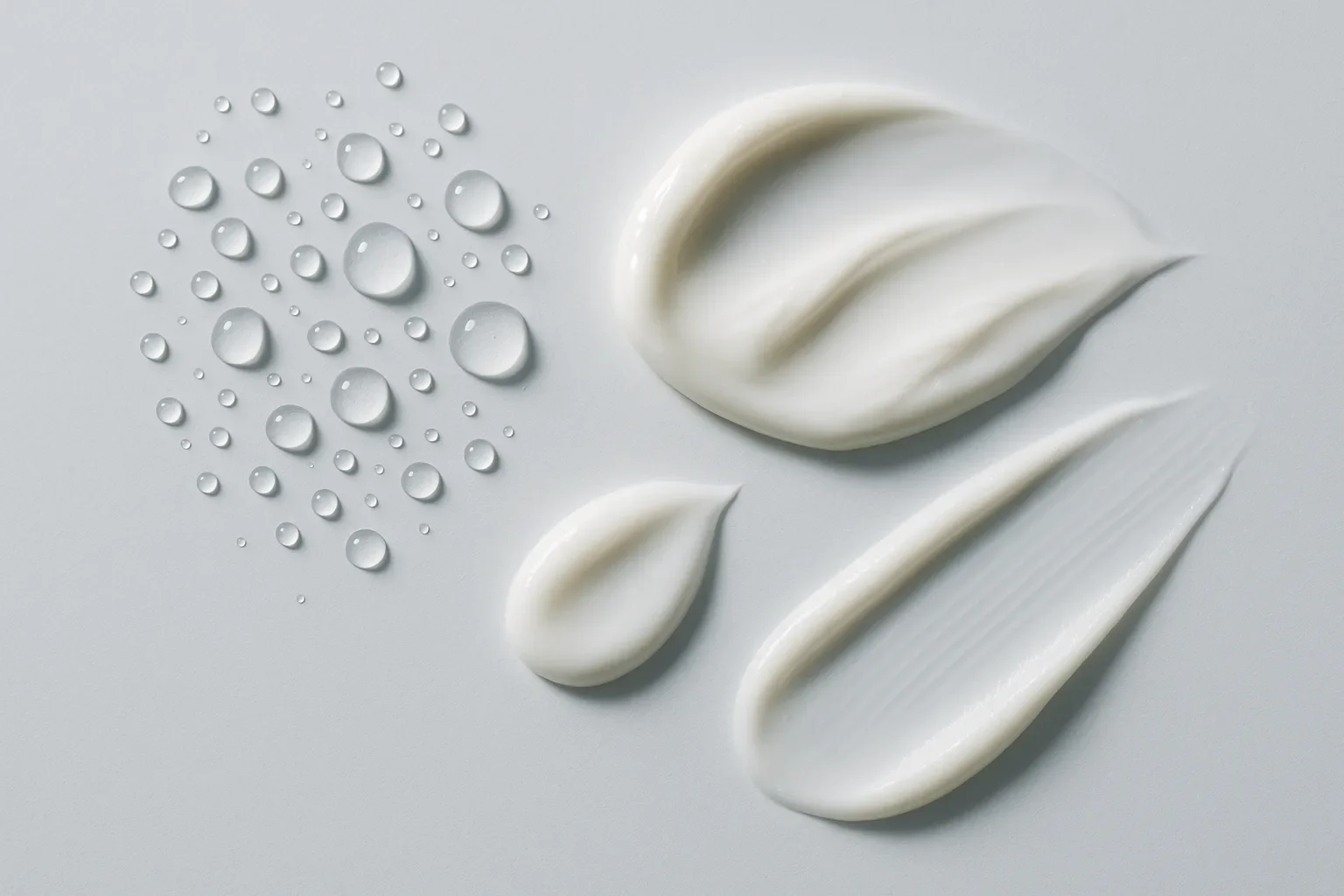
Adenosine is not an ingredient designed to suit only a specific constitution or type. The fact that the Korean Food and Drug Administration has recognized it as a notified ingredient for wrinkle-improvement functional cosmetics is close in meaning to saying that, within set blending limits, it can be used on a wide range of skin.
However, the actual feel on the skin or how it fits into a care routine can be felt differently depending on the type. This often stems not from a difference in adenosine itself, but from differences in what formulation and what supporting ingredients adenosine is contained in.
- 1Cleansing/TonerPreparing skin texture
- 2Adenosine-containing productAmpoule/serum step
- 3Choosing a cream by typeFor dry skin or those in their forties and beyond, prioritize rich-type
Why doesn't adenosine discriminate by type
Adenosine is an ingredient structurally related to nucleoside-family substances that exist in the skin itself. Rather than working by triggering a specific irritant response, it is blended in a way designed so that the finished product passes functional cosmetic review within a set content range.
Because of these blending characteristics, adenosine is classified as an ingredient that can be commonly used across skin types with different oil-moisture balances, such as dry, oily, and combination skin. Rather than being an ingredient that discriminates by skin type, it is more accurate to understand it as 'an ingredient blended for the purpose of elasticity care within the scope of functional cosmetic review, regardless of type.'
However, this doesn't mean every formulation suits every type equally. Even though adenosine itself doesn't discriminate by type, the formulation of the cream or ampoule containing it (whether moisture-focused or oil-focused) creates differences in the feel of use depending on the type.
Points to consider by skin type
If you have dry skin, when choosing a product containing adenosine, it's good to also check the moisturizing and oil-based ingredients formulated together with it. If barrier lipid ingredients like ceramides or cholesterol, or oil-based ingredients like squalane or shea butter are included together, you can expect them to help hold moisture in place so it doesn't evaporate while adenosine remains on the skin.
For oily skin, the burden often comes from the weight of the formulation itself rather than adenosine. Rich-type formulations with a high oil feel can create a heavy sensation in oily areas like the T-zone, so adjusting the amount used by area or combining with a lighter formulation is commonly recommended.
Combination skin needs a different approach for each area. It's practical to use varying amounts even within the same product—applying enough of the oil-rich formulation on dry areas like the cheeks, while using only a small amount on the T-zone.
For skin going through a sensitive period, the order should be to first check the fragrance or potentially irritating excipients formulated together, rather than adenosine itself. Check whether moisturizing and soothing ingredients like panthenol or allantoin are included together, and it's safer to watch for reactions with a small amount at the beginning of use.
| Skin Type | Co-formulated Ingredients to Check | Usage Tip |
|---|---|---|
| Dry | Ceramide, cholesterol, squalane, shea butter | Apply a rich-type formulation generously in the last step |
| Oily | Whether the formulation is lightweight | Small amount on the T-zone, adjust amount by area |
| Combination | Choosing formulation by area | Enough on cheeks, small amount on T-zone |
| Sensitive Period | Moisturizing/soothing ingredients such as panthenol and allantoin | Watch for reactions with a small amount before adjusting the amount used |
Care Focus That Changes by Age Period
The late twenties to early thirties is a period when the decline in elasticity is not yet clearly visible, but many people start including products formulated with adenosine in their care routine from this time. The focus of this period is closer to incorporating elasticity-care ingredients while not neglecting daily moisturizing and barrier care.
From the mid-thirties onward, more people begin to notice changes in skin texture and elasticity. During this period, checking whether the product is also formulated together with adenosine and peptide-type ingredients (sh-Oligopeptide-1, rh-Oligopeptide-2, rh-Polypeptide-1) can be one criterion.
From the forties onward, a flow of using a product formulated with adenosine in a rich-type formulation that holds both oil and moisture together, applied as the last step, is often mentioned. However, individual differences are significant regardless of the period, so age is only a reference point and not an absolute timing for use.
The Order of Adding to a Routine According to Type
Step one, cleanse and use a toner to smooth the skin texture. Step two, if using an ampoule or serum formulated with adenosine, apply it at this stage. Step three, finish with a cream of an oil feel suited to your type to hold in the moisture and ingredients from the previous steps so they don't evaporate.
For dry skin or skin in the forties and beyond, it's common to choose a rich-type formulation with an oily feel for this last step, while for oily skin, even with the same ingredient, a lighter formulation is generally considered first, though partially combining a rich-type formulation depending on the season or area is also possible.
The Final Step, Which Cream Should You Finish With?
If we break down the criteria for choosing adenosine products by skin type this way, the core question ultimately remains: 'Is adenosine properly formulated into a texture with an oil level suited to my skin type?' 에르쯔틴 리제너레이티브 실트 크림 contains adenosine as a notified ingredient and has been reviewed as a functional cosmetic for wrinkle improvement, and it is a rich-type formulation that combines barrier lipid ingredients such as ceramide NP, cholesterol, and palmitic acid together with oil components like squalane, shea butter, and argan kernel oil. For dry skin or skin that needs oiliness at certain times, this kind of formulation structure can be a reference option for the last step of a routine, and oily or combination skin can also consider it by adjusting the amount used by area.
Frequently asked questions
- Can adenosine be used on all skin types?
- Adenosine is an ingredient that undergoes functional cosmetic review within the blending limits set by the Korean Food and Drug Administration, and tends to be used broadly without singling out specific types such as dry, oily, or combination skin. However, since the sense of use can differ depending on the formulation containing the ingredient (whether it's a rich type or a light type), it's advisable to choose a formulation that suits your own type.
- I have oily skin — can I use an adenosine product contained in a rich-type cream?
- While the ingredient itself doesn't discriminate by type, rich-type formulations have an oily feel, so areas with a lot of oil like the T-zone may feel like the product is pilling. Rather than applying evenly across the whole face, it's commonly recommended to focus use on drier areas like the cheeks and apply only a small amount to the T-zone.
- Is it okay to keep using adenosine products even during sensitive periods?
- More often than adenosine itself, fragrances or excipients blended together with it tend to be the irritating factor. It's safer to check whether the product also contains moisturizing and soothing-purpose ingredients such as panthenol or allantoin, and to try a small amount over several days to observe the reaction before deciding how much to use. If redness or stinging persists, it's advisable to stop use and consult a dermatologist or other specialist.
- From what age is it good to start using products containing adenosine
- There is no fixed starting age. Some people include it in their care routine from their late twenties, while many others start after noticing changes in elasticity from their mid-thirties onward. Rather than age, it's more practical to base the decision on the point at which you personally start to notice changes in skin texture or elasticity.
Reviewed by 아비쥬의원 의료진. (September 9, 2026)