
Why Fine Lines Around the Eyes Appear First
The skin around the eyes is thinner than other parts of the face and has fewer sebaceous glands, making it weaker at holding onto moisture and oil. In addition, this area moves thousands of times a day, making it easy for expression lines to settle in. As a result, even at the same age, fine lines around the eyes are often the first to become noticeable. That's why it's better to care for the eye area earlier and differently than other parts of the face.
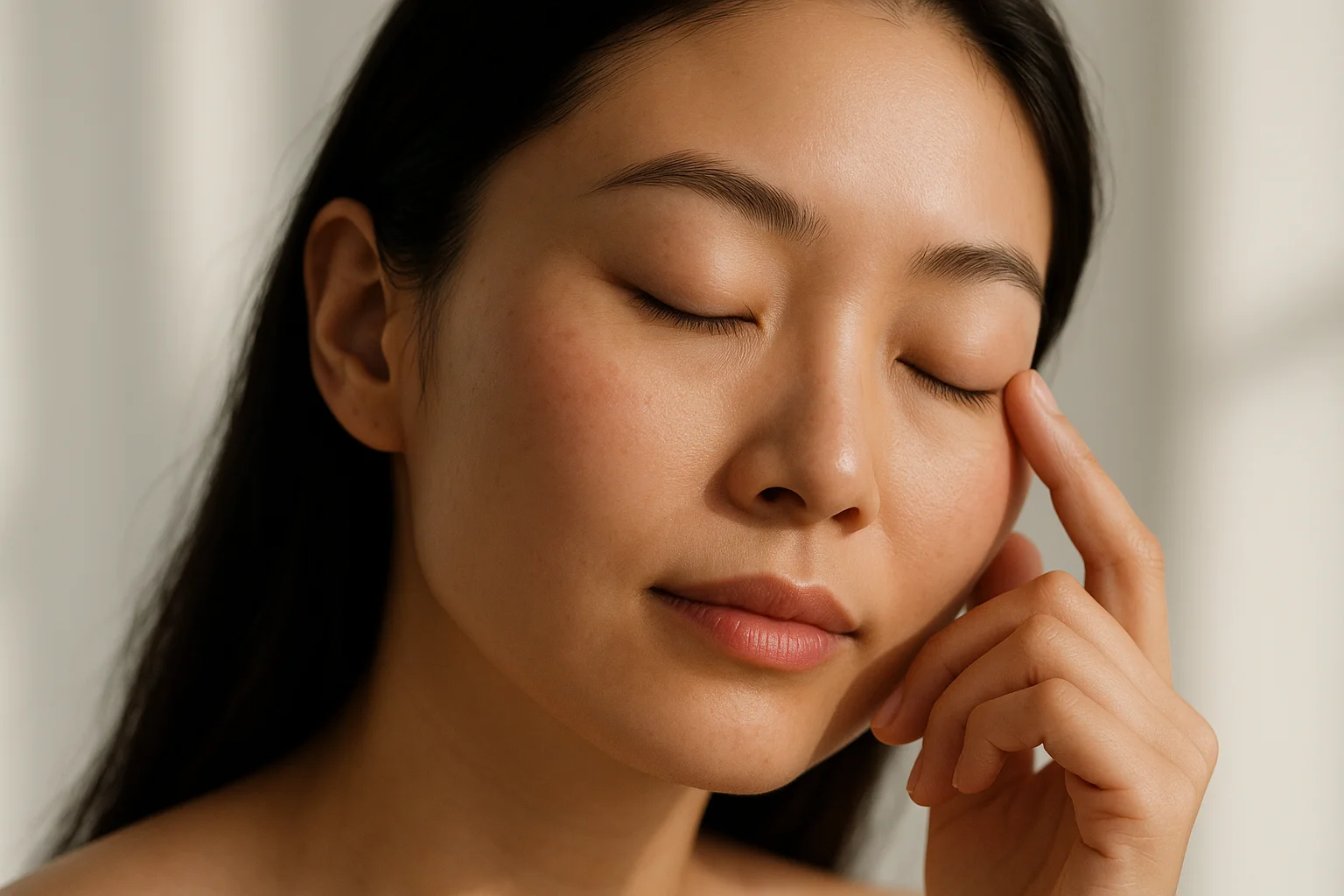
You've probably had the experience of looking in the mirror and being surprised to find fine lines clustered specifically around your eyes. The feeling that your eye area looks older first while your cheeks or forehead are still firm is not just your imagination.
Once you understand the reason, the direction of care becomes much clearer. Today, let's carefully go through the structural reasons why the skin around the eyes is particularly weak and prone to wrinkles.
- 1CleansingMinimize friction around the eyes with a gentle cleanser
- 2Moisturizing ampoule/tonerFirst smooth out texture with moisture-retaining ingredients
- 3Eye-specific or facial creamSupplement the oil film, prevent moisture evaporation
- 4Finishing creamFinish the day with elasticity-care ingredients
- 5Sun protectionThe basics of daytime care
Why is the skin around the eyes so thin and weak?
The skin around the eyes is known to be the thinnest part of the face. Compared to the skin on the cheeks or forehead, the epidermis and dermis themselves are thinner, and the collagen and elastin structures that support the skin are also relatively sparsely distributed.
On top of that, the density of sebaceous glands is low. Sebaceous glands create an oil film on the skin's surface that prevents moisture evaporation, but since this oil film is thin around the eyes, the ability to retain moisture—that is, the barrier function—can be disrupted more easily than in other areas.
As a result, saying the eye area is 'thin' is not simply a matter of appearance—it's closer to meaning that the area is structurally born with conditions that make it difficult to maintain moisture and elasticity.
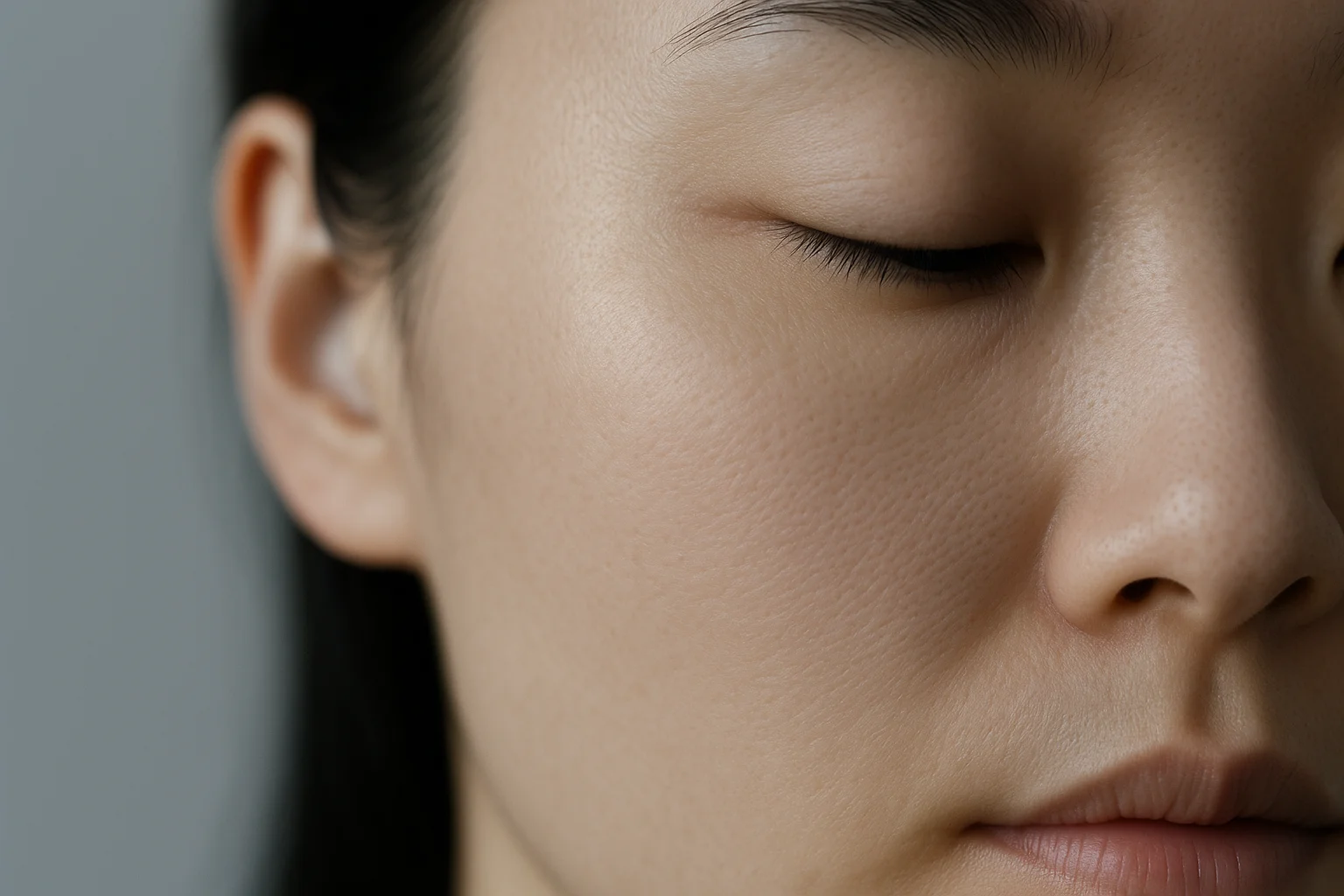
Facial muscles and repeated movement
Another reason wrinkles appear first around the eyes is the amount of movement. We use the muscles around our eyes every time we smile, frown, or blink. As these subtle movements accumulate throughout the day, creases in the skin's surface become fixed in place.
If the skin is thick and has enough elasticity, it quickly smooths out after such movements, but areas like the eye area, which are thin and prone to reduced flexibility, are in an environment where creased lines are more likely to become fixed as fine wrinkles.
Why dryness makes fine wrinkles stand out more
It's hard to separate fine wrinkles around the eyes from dryness. When the skin has enough moisture, the surface stays smooth and fine wrinkles appear less noticeable, but when moisture is lacking, the texture of the skin's surface is revealed as is, making wrinkles look much deeper and more pronounced.
In particular, as explained earlier, the eye area has a thin oil film structure that lets moisture evaporate easily, so in dry environments (heating/cooling, seasonal changes, frequent screen exposure, etc.), it tends to show signs earlier and more clearly than other areas.
So rather than simply concluding that 'fine wrinkles around the eyes = aging,' it's good to also consider that they may be a temporary texture caused by dryness. However, repeated dryness and irritation accumulating over time can lead to wrinkles becoming set in, so regular moisturizing care is important.
Changes around the eyes that appear differently by age group
In one's twenties, it's common to see 'expression wrinkles' that appear only slightly when smiling and disappear when the expression relaxes. During this period, the skin's own elasticity and moisture retention are still good, so recovery tends to be quick.
Entering one's thirties, more cases gradually change to where a texture remains even after the expression relaxes. This coincides with a period when the skin's cell turnover cycle gradually slows down and moisture retention also decreases together.
After one's forties, fine wrinkles may tend to become deeper and increase in number. This varies greatly depending on individual skin type, lifestyle habits, and degree of UV exposure, so it is difficult to generalize, and it is best understood simply as a general tendency.
Organizing eye area care step by step
Eye area care isn't about anything elaborate—'order' and 'consistency' are the key. Please refer to the steps below.
The next story leading to products
As such, since the eye area is structurally thin, moves frequently, and is vulnerable to dryness, many people pay special attention to it separately when caring for the whole face.
At our ARZTIN, we guide using 리제너레이티브 실트 크림 as a finishing step for overall facial elasticity and moisture care. This product contains adenosine, which has been reviewed by the Korea Ministry of Food and Drug Safety as a functional cosmetic ingredient for wrinkle improvement, and is also formulated with moisturizing ingredients such as ceramide and panthenol, so it can be considered as a finishing step in your overall facial routine. However, areas close to the mucous membrane around the eyes may be sensitive to irritation, so we recommend starting with a small amount when using it, and discontinuing use and consulting a specialist if any adverse reaction is felt.
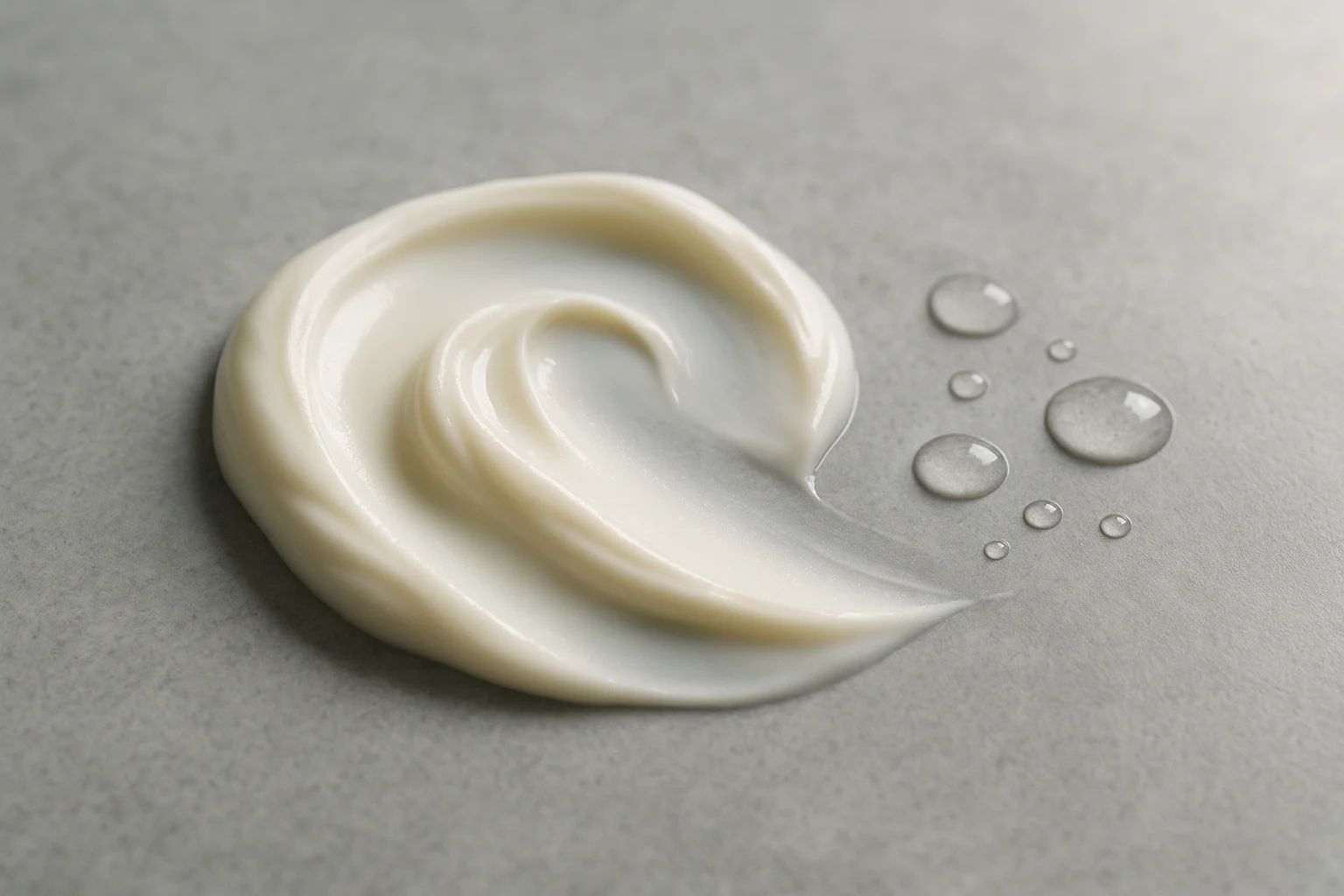
The final step—which cream should you finish with?
As the final step of overall facial elasticity care, you can consider 리제너레이티브 실트 크림, and for sensitive areas like around the eyes, it is recommended to use a small amount first and check the reaction.
Frequently asked questions
- At what age do wrinkles around the eyes start to appear?
- There's no fixed age. Even in your twenties, fine lines that appear briefly when making expressions and then disappear are common, and this is closer to a natural phenomenon. However, the point at which these lines remain visible even after relaxing the expression varies from person to person, and can differ greatly depending on skin type and lifestyle habits (water intake, UV exposure, sleep, etc.).
- What exactly does it mean that the skin around the eyes is thin?
- The skin around the eyes is known to have a thinner epidermis and dermis compared to other areas of the face, and is also said to have a lower density of sebaceous glands. Because of this, the oil film that helps retain moisture is relatively weak, and the area can react more sensitively to external irritation or dryness.
- Is there really a connection between fine lines around the eyes and dryness?
- Yes, they are closely related. When the skin has enough moisture, the surface looks smooth, but when it becomes dry, the texture shows through more clearly and wrinkles can appear more pronounced. However, it's helpful to understand that temporary lines caused by dryness and wrinkles that settle in over time are somewhat different concepts.
- When is a good time to start caring for the skin around the eyes?
- Rather than waiting until wrinkles become noticeable, preventive habits like regular moisturizing and sun protection can be more helpful. Since the eye area is structurally thin and vulnerable to dryness, it's recommended to start a light moisturizing routine even from your twenties.
Reviewed by 아비쥬의원 의료진. (August 31, 2026)