
Allantoin Application Order: Where Does It Go in Your Skincare Routine?
Allantoin isn't an ingredient that only works at a specific step—it's a moisturizing and soothing supporting ingredient formulated into various product types like toners, essences, and creams. When determining order, it's more practical to base it on the overall formulation purpose and viscosity of the product rather than allantoin alone. If you also want to manage elasticity and wrinkles, what functional and moisturizing ingredients are placed in the final step after allantoin matters more.
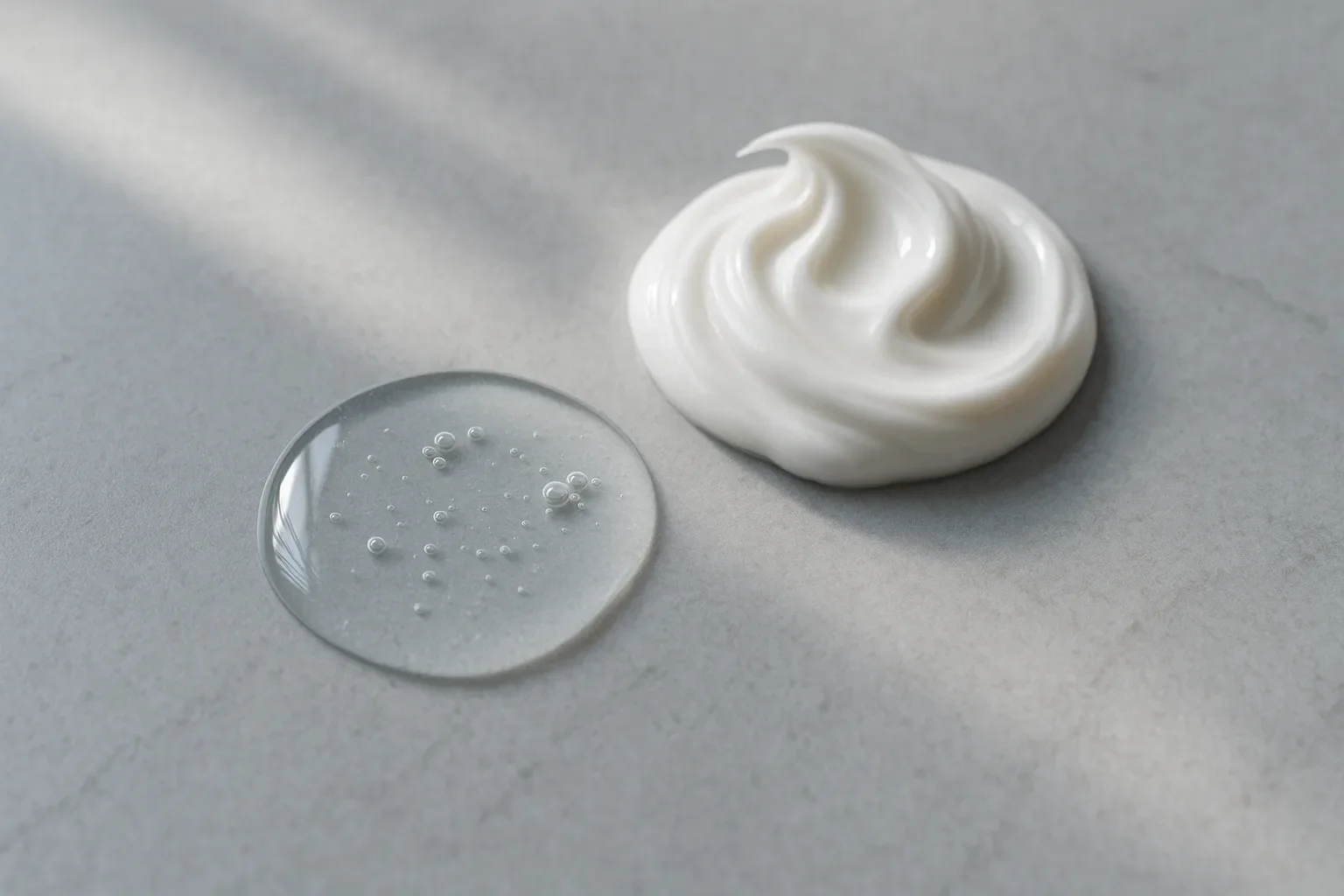
I often get asked, "At which step in skincare should I apply allantoin?" The short answer is that allantoin itself has no fixed order. Because allantoin is a moisturizing and soothing supporting ingredient found in a wide range of formulations—toners, essences, creams, and even cleansing products—there's no rule that says "since it's allantoin, it goes at this particular step."
Why There's No Fixed Order for Using Allantoin
Skincare order is usually determined by the viscosity and purpose of the formulation. The basic principle is to apply thinner formulations (toners, waters) first, then layer essences, serums, and creams in order of increasing viscosity. This order relates to how each formulation settles on the skin, and is a different concept from the idea that a specific ingredient must come at a particular step.
Allantoin is a water-soluble ingredient that also blends well in emulsion formulations, so different brands include it in toners or add it at the final stage of creams. In other words, the more accurate approach is to look at 'what formulation the product containing allantoin is' rather than focusing on 'the order of allantoin itself.'
The same applies when reading the full ingredient list. Allantoin is generally an ingredient used in small amounts, so it often appears toward the end of the listed order. Since low-concentration ingredients can vary in their listed order, it is difficult to determine a specific product's intent for allantoin formulation based solely on the order.
Why the Position of Allantoin Differs by Formulation Type
When allantoin is included in a toner, the main purpose is usually to lightly soothe the skin's condition right after cleansing, and in this case it is naturally used at the first step of the skincare routine.
When included in an essence or serum, it is formulated into a middle-stage product responsible for proper moisturizing and soothing care, used after the toner and before the cream.
The case of cream is a bit different. Since cream typically plays the role of forming an oil layer at the last stage of skincare to help seal in the moisture and ingredients applied beforehand, allantoin in this case naturally ends up positioned 'last in order.' In this case, it is appropriate to understand allantoin as one component of the overall moisturizing and soothing design of the cream.
| Formulation | Position in Routine | Formulation Purpose |
|---|---|---|
| Toner | First step right after cleansing | Light conditioning |
| Essence/Serum | Between toner and cream | Proper moisturizing and soothing care |
| Cream | Last step of the routine | Finishing moisturizing and elasticity ingredients along with forming an oil layer |
What to Consider from an Elasticity and Wrinkle Care Perspective
Allantoin itself is a supportive ingredient that helps with moisturizing and conditioning the skin, and it does not itself handle elasticity or wrinkle improvement. A more important question than worrying about order is 'what kind of overall functional design does the product containing this allantoin have?'
In particular, cream, the last step of skincare, is the formulation that stays on the skin the longest during the daily routine. What functional ingredients and moisturizing/barrier-related ingredients are formulated together at this stage has a more practical impact on care direction than the position of allantoin alone.
What to Check in a Final-Step Cream
When choosing a cream for the last step of skincare, there are three things to check together in the full ingredient list. First, whether it contains notified ingredients that have passed functional review for wrinkle improvement; second, whether peptides designed for elasticity care are formulated together; and third, whether moisturizing and soothing ingredients such as allantoin and panthenol are balanced together with oil-based ingredients.
ARZTIN Regenerative Silt Cream is a rich cream for this finishing step, containing adenosine, a notified ingredient recognized by the Ministry of Food and Drug Safety as a wrinkle-improvement functional cosmetic ingredient. It is also formulated with three peptides designed for elasticity care (sh-Oligopeptide-1, rh-Oligopeptide-2, rh-Polypeptide-1), barrier lipid ingredients such as Ceramide NP and cholesterol, and moisturizing and soothing ingredients like allantoin and panthenol. In related human application tests, significant improvements in skin elasticity recovery and cheek elasticity were measured immediately after use, though individual results may vary.
The final step: which cream should you finish with?
Rather than focusing on which step allantoin falls into, a more practical approach to routine management is to look at how well a single cream used in the final step of skincare is designed to address elasticity, hydration, and barrier care together. The full ingredient list of ARZTIN Regenerative Silt Cream can serve as a useful reference for examining this kind of finishing-step design.
사용 전과 비교해 사용 직후 통계적으로 유의하게 개선됐습니다. 개선율(%)은 사용 전 대비 변화량의 비율이며(|사용 후−사용 전|÷사용 전×100), 개인차가 있을 수 있습니다.
출처 P&K 피부임상연구센타 인체적용시험 결과보고서 (PNK-24610-RD1R2, 2024)
사용 전과 비교해 사용 직후 통계적으로 유의하게 개선됐습니다. 개선율(%)은 사용 전 대비 변화량의 비율이며(|사용 후−사용 전|÷사용 전×100), 개인차가 있을 수 있습니다.
출처 P&K 피부임상연구센타 인체적용시험 결과보고서 (PNK-24610-RD1R2, 2024)
Frequently asked questions
- Can allantoin products be used both morning and night?
- Allantoin is known as a relatively gentle moisturizing and soothing supporting ingredient, so it's often used in both morning and evening routines. However, usage frequency may vary depending on other ingredients combined in the formula and the overall formulation, so it's good to check the product usage instructions as well.
- Isn't it redundant to use an allantoin toner and an allantoin cream together?
- Even if the same ingredient appears in products at multiple steps, each formulation differs in viscosity and role, so layering them is a common routine approach. However, if the overall texture feels too heavy, you can reduce the number of steps to adjust.
- Can I apply other functional products after allantoin?
- Allantoin itself is not an ingredient that requires a specific order, so there are no particular restrictions on using other functional products in subsequent steps. However, the final step is typically finished with a cream that forms an oil layer, which is the general routine order.
- Does applying an allantoin-containing cream as the last step slow down absorption?
- Cream is originally meant to be the last step in a routine, forming an oil layer so that the moisture and ingredients applied earlier don't evaporate. Absorption speed may vary depending on individual skin condition and formulation characteristics.
- What should I do if I feel irritation on my skin?
- Any ingredient may not suit everyone due to individual differences. If adverse reactions such as redness or stinging persist during use, it is recommended to stop use and consult a dermatologist or other specialist.
Related products
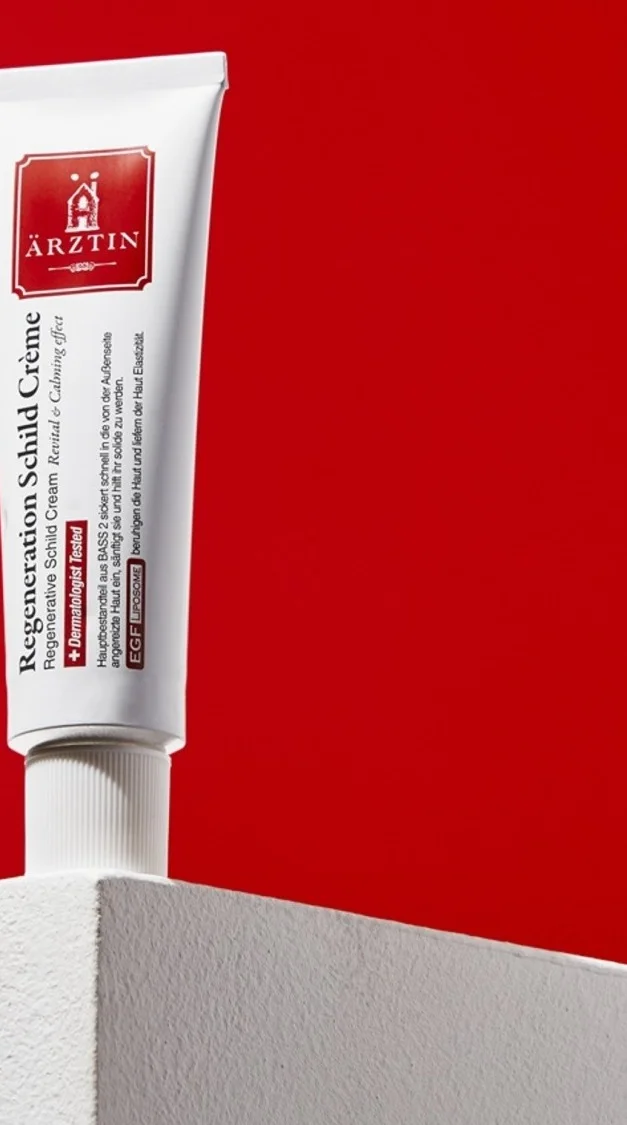 리제너레이티브 실트 크림Buy
Anti-wrinkle functional cosmetic · A rich cream that addresses both elasticity and barrier care
- 리제너레이티브 실트 크림Buy
Anti-wrinkle functional cosmetic · A rich cream that addresses both elasticity and barrier care
- 리제너레이티브 실트 크림Buy
Anti-wrinkle functional cosmetic · A rich cream that addresses both elasticity and barrier care
- 리제너레이티브 실트 크림Buy
Anti-wrinkle functional cosmetic · A rich cream that addresses both elasticity and barrier care
- 리제너레이티브 실트 크림Buy
Anti-wrinkle functional cosmetic · A rich cream that addresses both elasticity and barrier care