
Which Skin Type Needs Barrier Lipids? — How to Judge Your Skin Type from the Full Ingredient List
Barrier lipids (ceramides, cholesterol, and fatty acid series) are needed by all skin types, but skin that frequently experiences dryness, tightness, or seasonal sensitivity may benefit from checking the proportion of these three lipid families on the full ingredient list. However, choosing based on barrier ingredients alone makes it hard to account for elasticity care, so it's more practical to also check whether the lipid axis and elasticity axis are designed together.
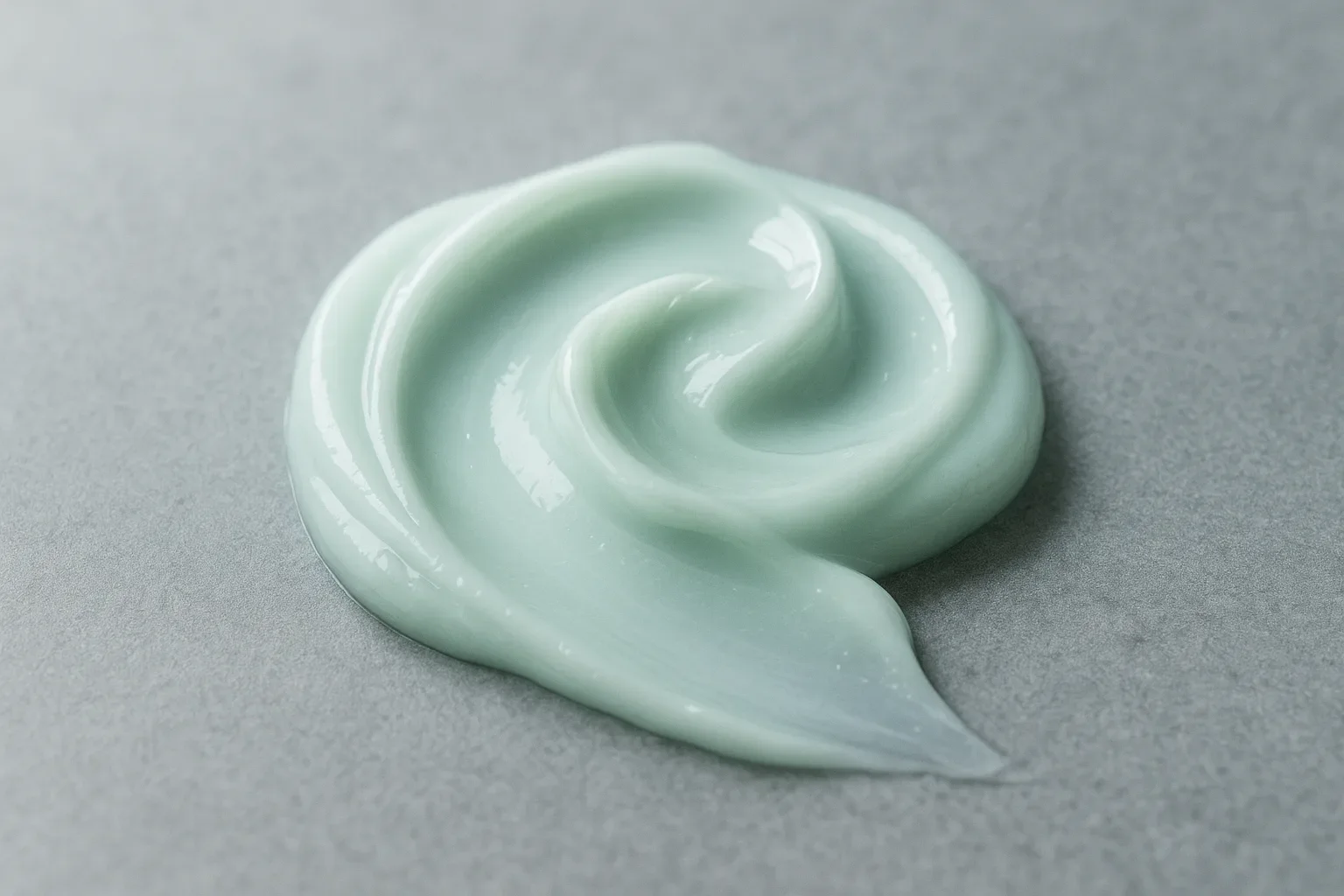
I often get asked, "Aren't all ceramide creams basically the same?" Looking at the full ingredient list, the answer is closer to 'no.' Even with the same ceramide, the actual felt results can differ depending on which lipids it's combined with and in what proportion — and more importantly, whether the cream was designed with only the barrier in mind, or whether other care purposes were incorporated as well.
What are barrier lipids, and why does the need for them differ by skin type?
Barrier lipids is a term collectively referring to lipid ingredients like ceramides, cholesterol, and fatty acids that keep moisture on the skin's surface from evaporating. These three families are often listed separately on the full ingredient list under names like Ceramide NP, Cholesterol, and Palmitic Acid, making it easy to overlook them without recognizing them as a single 'barrier lipid set.'
Since the condition of this lipid layer varies from skin to skin, reactions to barrier lipids can also differ. Skin that frequently feels dry or becomes sensitive during seasonal changes or with heating/cooling often has a relatively thin or imbalanced lipid layer, so it tends to respond more sensitively to the combination of these ingredients, while skin with more oiliness may feel the presence of this axis less. Of course, this is a general tendency and individual differences exist.
Why barrier lipids should be viewed differently depending on condition and season
Even for the same person, the need for barrier lipids changes depending on the season and skin condition. In summer when the skin is oilier, a light formula may be sufficient, but in dry winters or environments with strong heating/cooling, the proportion of lipid ingredients can become more important.
It is also often reported that the thickness and retention capacity of the lipid layer itself feels different between skin in one's 20s and skin after 40s. As one ages, there comes a time when elasticity decline must be addressed alongside barrier care, and in this period, rather than checking barrier lipids alone, it becomes more practical to check whether the cream also addresses other axes (elasticity, moisture) together.
The order of checking the full ingredient list to see if it suits your skin type
First, check whether all three families—ceramides, cholesterol, and fatty acids—are present. It is known that a formula containing all three families together forms the lipid structure more completely than one containing only one.
Second, refer to the listing order but don't over-rely on it. Since the listing order of low-concentration ingredients can vary, it is difficult to determine the exact concentration ratio from order alone. Instead, a more realistic check is to see whether the three families appear together near the middle of the ingredient list (usually after viscosity-adjusting agents and before preservatives).
Third, look at what other axes are placed next to the lipid axis. If moisturizing/soothing ingredients like panthenol and allantoin, oil-based ingredients like squalane and shea butter, and peptides aimed at elasticity care are placed together, the formula can be seen as designed with multiple purposes in mind rather than focusing on the barrier alone.
| Skin condition | Barrier lipid check point | Axis to check together |
|---|---|---|
| Skin prone to dryness and tightness | Whether all three families—ceramides, cholesterol, and fatty acids—are present | Moisture (panthenol, trehalose) |
| Skin sensitive during seasonal changes | Whether lipid ingredients are concentrated in the middle of the list | Soothing (centella asiatica-derived ingredients) |
| Skin also concerned about elasticity decline | Presence of elasticity care ingredients next to the lipid axis | Elasticity (peptides, adenosine) |
| Oily skin | Whether the lipid proportion is not excessive | Formula weight and amount used |
Where to place barrier lipid products in a step-by-step routine
In a typical routine, formulas with a high proportion of barrier lipids are naturally applied at the cream stage rather than the toner or essence stage, and specifically toward the end of the routine. Since formulas tend to become heavier as oil and lipid content increases, it makes sense in terms of absorption order to finish light moisture care first and layer this on last.
During seasons when the skin tends to become rough, such as changing seasons, one approach is to add a cream with a high lipid content as the final step in your existing routine, while reducing the amount used during seasons with more oil production. However, if any adverse reaction is felt, it is safer to stop use and consult a specialist.
What Changes When You Consider Barrier Lipids and Elasticity Together
Once you can identify the position of the three barrier lipid families in the full ingredient list on your own, you naturally move to the next question: 'Does this cream address only the lipid axis, or is it designed with elasticity in mind as well?' ARZTIN Regenerative Cilt Cream is a wrinkle-improvement functional cosmetic (approved) that forms the barrier lipid axis with Ceramide NP, Cholesterol, and Palmitic Acid, while also incorporating Adenosine (a notified wrinkle-improvement functional ingredient) and 3 types of peptides as the elasticity care axis. As a rich-type formulation used in the final step of a routine, it is an option to consider when you want to address elasticity as well, not just barrier lipids, within the same formulation.
These are results compared to before use, and individual differences may occur, so it is advisable to make judgments considering your own skin condition and seasonal factors together.
Frequently asked questions
- Do all skin types need barrier lipid ingredients?
- The barrier itself exists in all skin, but the felt need for lipid ingredients varies by skin condition. Skin that is prone to dryness or sensitivity may benefit from prioritizing formulations that evenly contain all three lipid families, while oily skin may do better adjusting the proportion used.
- Can I know the exact content amount just by looking at the order on the ingredient list?
- Not entirely accurately. The listed order for low-concentration ingredients can vary, so it's safer to use the order only as a rough reference.
- Should I use a barrier lipid cream and an elasticity care cream separately?
- Not necessarily. Checking whether the lipid axis and elasticity care axis are arranged together within a single formulation's ingredient list can help you determine whether you can manage both in one step instead of using two separate products.
- I have oily skin — can I still use a cream with a high proportion of barrier lipids?
- Yes, you can use it, but it's best to adjust the amount and frequency. During oily seasons or skin conditions, reduce the amount used, and if any adverse reaction occurs, stop use and consult a specialist.
- Can barrier lipid ingredients alone improve elasticity as well?
- Barrier lipids mainly function to prevent moisture loss, while elasticity care requires a separate ingredient design. If you want both purposes at once, a practical approach is to check the full ingredient list to see whether the lipid axis and elasticity axis are both incorporated into the formulation.
Related products
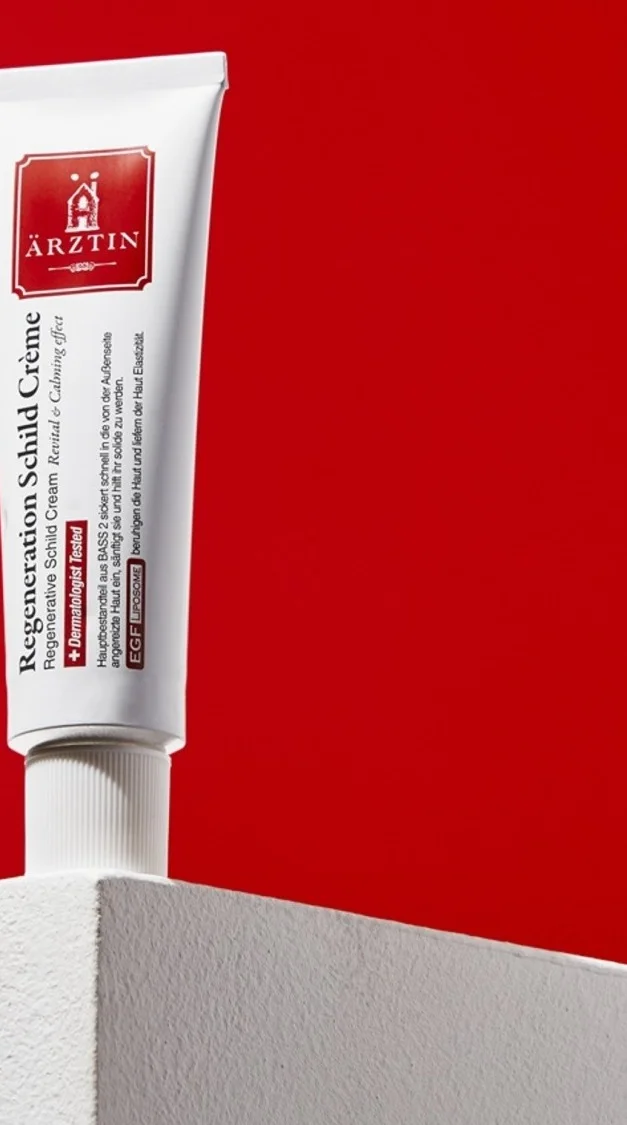 리제너레이티브 실트 크림Buy
Anti-wrinkle functional cosmetic · A rich cream that addresses both elasticity and barrier care
- 리제너레이티브 실트 크림Buy
Anti-wrinkle functional cosmetic · A rich cream that addresses both elasticity and barrier care
- 리제너레이티브 실트 크림Buy
Anti-wrinkle functional cosmetic · A rich cream that addresses both elasticity and barrier care
- 리제너레이티브 실트 크림Buy
Anti-wrinkle functional cosmetic · A rich cream that addresses both elasticity and barrier care
- 리제너레이티브 실트 크림Buy
Anti-wrinkle functional cosmetic · A rich cream that addresses both elasticity and barrier care