
Betaine Principle and Characteristics: How to Read It on the Full Ingredient List
Betaine is an ingredient known for its ability to hold onto moisture, and it often appears on the full ingredient list around the position after purified water and glycerin. A high concentration doesn't always mean it's listed first, and for lower-concentration ingredients the listing order can vary, so it's difficult to determine the amount blended based on position alone. Betaine itself is an ingredient that helps maintain moisture, but if you also want to manage firmness and wrinkles, it's more important to look at what other ingredients betaine is formulated together with.
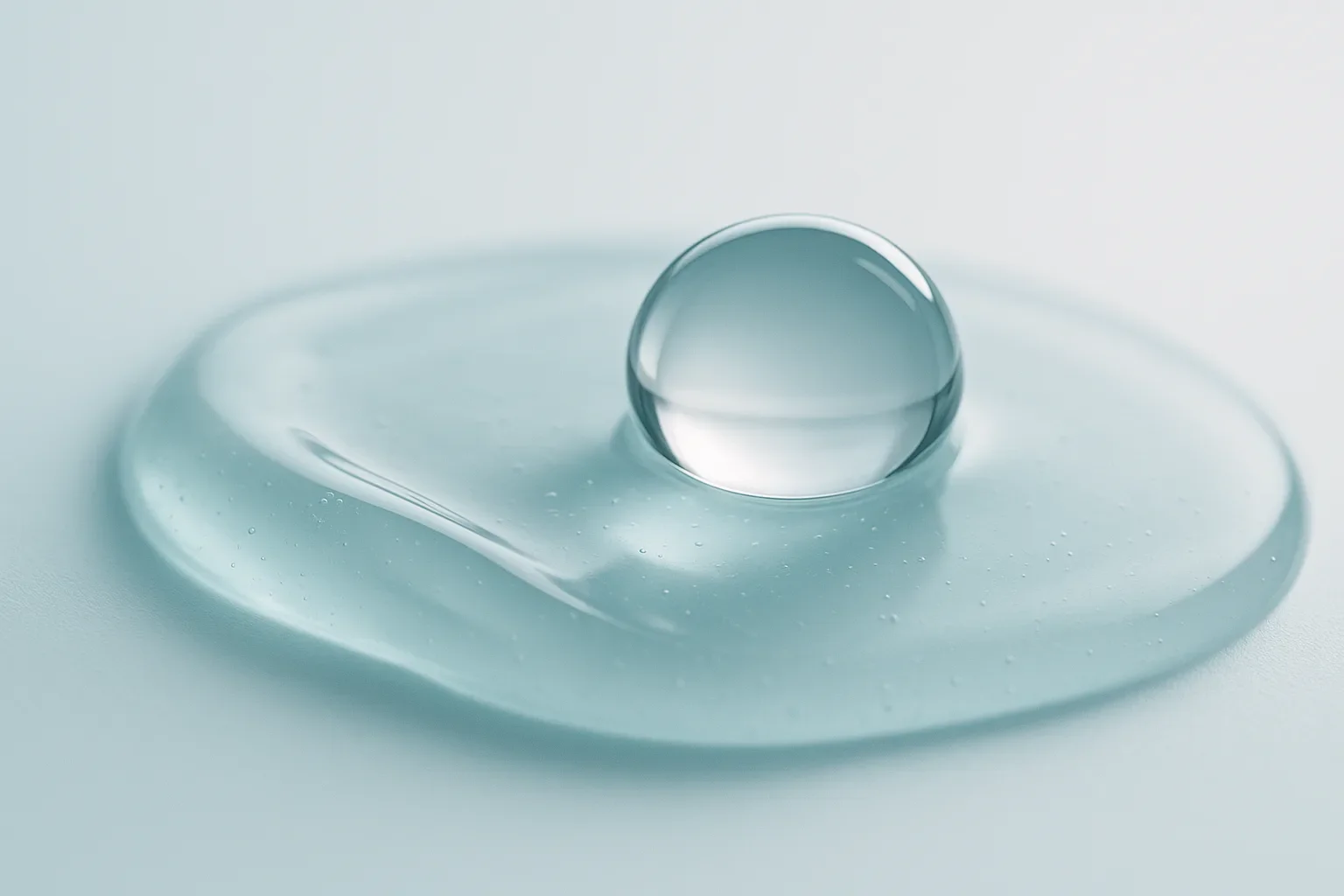
When searching for cosmetic ingredients, you'll often come across the name 'betaine.' This ingredient, known to be derived from sugar beets or certain plants, is a substance with a structure similar to amino acids, and in the skin it is explained to play a role in holding onto moisture. However, the mere presence of its name on the full ingredient list doesn't determine the moisturizing power of that product. You need to look at both the listing order and the actual formulation design together to judge what role that ingredient is designed to play.
- 1Step 1Check moisturizing ingredients near the beginning, right after purified water
- 2Step 2Check barrier lipid/oil ingredients in the middle section
- 3Step 3Check certified functional ingredients/peptides toward the end
Betaine's Mode of Action: What Should You Look At to Judge It?
Betaine is chemically classified as belonging to a category of substances called 'osmolytes.' Such substances are known to be involved in regulating the moisture balance inside and outside cells, and in cosmetics they are mainly formulated for the purpose of maintaining moisture by holding water at the skin's surface and stratum corneum.
The position of betaine on the full ingredient list varies by product. Under cosmetics regulations, ingredients are generally listed in descending order of content, but there is an exception that low-content ingredients such as fragrances and preservatives may be listed out of strict order. A relatively common moisturizing ingredient like betaine may appear early on, right after water, depending on the formulation, or it may be placed behind other active ingredients. In other words, the simple interpretation that 'if it's near the front, it must be present in a high amount' is not always correct.
For this reason, rather than checking the position of betaine alone, it is more practical to look at which ingredients are arranged around it—in other words, how moisturizing, barrier, and elasticity ingredients are distributed within a single formulation design.
The role betaine plays depending on formulation and skin condition
When betaine is included in a light lotion or toner, it is often described as playing a role in providing a light, refreshing sense of hydration, while in oil-rich formulations like creams, it is said to play a supporting role in helping an oil film hold moisture in place so it doesn't evaporate.
During seasons when dryness is pronounced, or when skin becomes sensitive due to heating or air conditioning, it is known that a combination of betaine together with barrier lipid ingredients such as ceramide and cholesterol, and soothing/moisturizing ingredients such as panthenol and allantoin, works more stably than betaine alone. Conversely, if elasticity or wrinkles are also a concern, betaine alone cannot address that area, so it is necessary to check whether ingredients approved for wrinkle-improvement functional efficacy are separately included.
How to check the full ingredient list step by step
Step 1: Check which moisturizing ingredients appear early on, right after purified water. Ingredients such as glycerin, butylene glycol, and betaine frequently appear in this section.
Step 2: Check whether barrier lipid ingredients (ceramides, cholesterol, fatty acids) and oil ingredients (squalane, shea butter, plant oils) are included together in the middle section. Since moisture retention and barrier care serve different roles, it is meaningful to check whether they appear together.
Step 3: Check for functional ingredients approved by notification or peptides listed toward the end. Since these are often placed later even when present in small amounts, it is best not to conclude that an ingredient is 'present in a small amount' based on position alone.
By going through these three steps in order, you can distinguish whether a product contains betaine alone, or whether moisturizing, barrier, and elasticity care are all designed together.
The final step: which cream to finish with
Checking the position of betaine on the ingredient list is one approach, but a more practical check is to see how a product is designed within a single formulation to go beyond moisture retention and address elasticity and wrinkle care as well. ARZTIN Regenerative Silt Cream places betaine in the section following purified water and glycerin to help with moisture retention, while toward the end of the list it includes adenosine, a wrinkle-improvement functional ingredient approved by notification, along with 3 types of peptides, and barrier lipid ingredients such as ceramide NP and cholesterol. This kind of ingredient composition can serve as a useful reference when you want to check both moisture retention and elasticity care together at the final rich cream step.
Frequently asked questions
- How is betaine different from glycerin?
- Both are classified as ingredients involved in maintaining moisture, but they are said to have different chemical structures and modes of action. On the full ingredient list, it's more meaningful to check each ingredient's position along with what other ingredients are formulated alongside it.
- If betaine appears toward the back of the full ingredient list, does that mean it's ineffective?
- That can't be concluded definitively. For lower-concentration ingredients, the listing order can vary, and the position can change depending on the formulation design, so it's difficult to judge the amount blended or its role based on order alone.
- If a product contains betaine, does that mean it also helps with firmness care?
- Betaine itself is described as an ingredient that helps maintain moisture, while improving firmness or wrinkles is the role of separately certified functional ingredients. If firmness is also a consideration, it's necessary to check whether certified functional ingredients are formulated together on the full ingredient list.
- Is betaine okay for sensitive skin too?
- It's generally known as a gentle moisturizing ingredient, but individual differences can exist. If any adverse reaction is felt during use, it's safer to stop use and consult a dermatologist or other specialist.
Related products
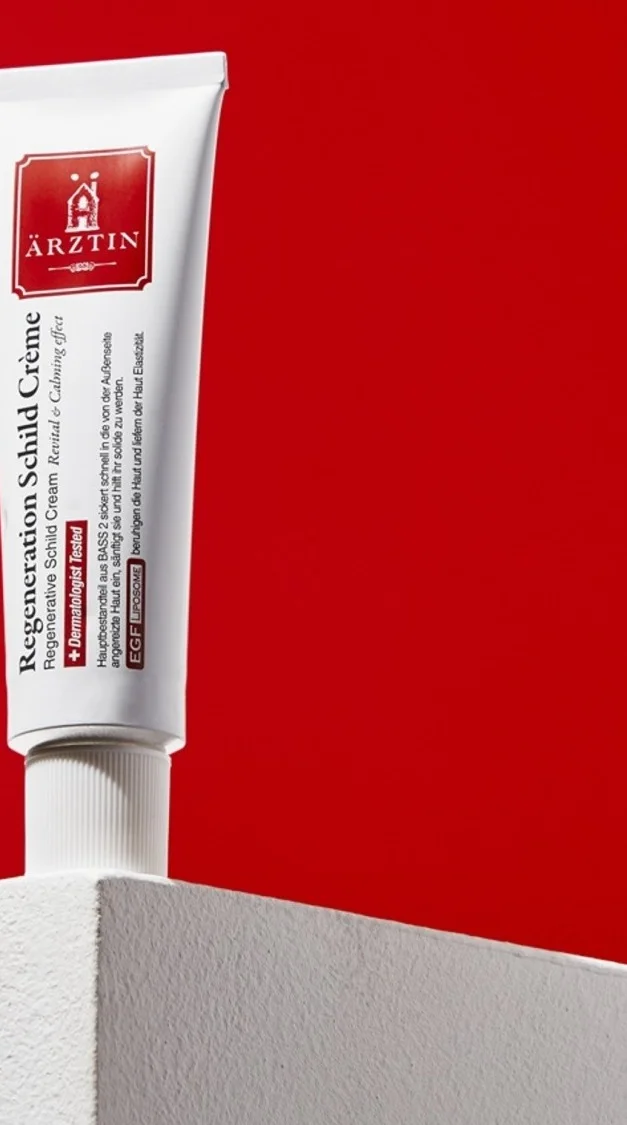 리제너레이티브 실트 크림Buy
Anti-wrinkle functional cosmetic · A rich cream that addresses both elasticity and barrier care
- 리제너레이티브 실트 크림Buy
Anti-wrinkle functional cosmetic · A rich cream that addresses both elasticity and barrier care
- 리제너레이티브 실트 크림Buy
Anti-wrinkle functional cosmetic · A rich cream that addresses both elasticity and barrier care
- 리제너레이티브 실트 크림Buy
Anti-wrinkle functional cosmetic · A rich cream that addresses both elasticity and barrier care
- 리제너레이티브 실트 크림Buy
Anti-wrinkle functional cosmetic · A rich cream that addresses both elasticity and barrier care