
Which Skin Type Suits Betaine? — A Guide Based on the Full Ingredient List
Betaine is a moisture-retaining ingredient derived from sugar beets, and rather than suiting only a specific skin type, it serves a supportive role in holding onto moisture across a wide range of skin types, including dry, sensitive, and combination skin. However, actual usage and results can vary depending on where it appears on the ingredient list and what other ingredients it's combined with, so it's important to look at the overall formulation together. If the goal is elasticity or wrinkle care, the key is to check whether the product is formulated with barrier lipids or peptides alongside betaine, rather than relying on betaine alone.
When looking through the full ingredient list of cosmetics, you often come across the name 'betaine.' This ingredient appears in serums, lotions, and even cleansing products — so what role does it actually play, and which skin type does it suit better?
To state the conclusion first, betaine is not a 'dedicated ingredient' for a specific skin type, but rather an osmotic regulating substance that holds moisture inside and outside cells. For this reason, it is widely used regardless of whether skin is dry, oily, or sensitive, but the results experienced can vary depending on what other ingredients it's combined with and the overall direction of the formulation.
What exactly is betaine?
Betaine is an amino acid-like substance derived from sources such as sugar beets or obtained synthetically, and it commonly appears on cosmetic ingredient lists simply as 'betaine.' In dermatology, such ingredients are called osmolytes, which help balance moisture inside and outside cells to keep cells from drying out.
Simply put, betaine is an ingredient with the ability to draw in and hold onto moisture. It is classified in the same category as moisturizing and hydration-retaining ingredients like glycerin and trehalose, and it is more accurate to understand it as an ingredient that supports the texture and moisture retention of a formulation rather than one that causes irritation.
However, what matters here is that the mere presence of betaine on the ingredient list does not guarantee the product's moisturizing power or elasticity effects. While ingredient lists are generally ordered by concentration, the order of lower-concentration ingredients can vary, making it difficult to judge the magnitude of an effect simply by where a name appears in the list.
What skin conditions should pay particular attention to this
Dry skin: For skin that loses moisture easily, it's good to check whether moisture-binding ingredients like betaine are paired with oil-based ingredients that prevent that moisture from evaporating. Rather than betaine alone, formulations combined with barrier lipids like ceramides or cholesterol, or oils like squalane, tend to provide a more stable sense of moisture retention.
Periods of increased sensitivity: During seasonal transitions or when skin becomes sensitive due to heating/cooling, a low-irritation moisturizing composition is important. While betaine itself tends to be mild, individual reactions may vary depending on the type and amount of fragrance or essential oil extracts included alongside it, so it's important to check the entire ingredient list.
Combination skin with imbalanced oil and moisture: When oily and dry areas coexist on the skin, people tend to look for formulations that retain moisture without feeling heavy. Here too, rather than looking at betaine alone, it's more practical to examine its combination with other moisturizing and conditioning ingredients like trehalose and panthenol, as well as the oil content ratio.
Times when elasticity and wrinkles are a concern: In this case, betaine's moisture-retention role alone cannot be expected to bring about changes in elasticity. It is more important to check whether ingredients recognized for wrinkle-improvement function, like adenosine, or ingredients designed for elasticity care, like peptides, are also included.
Things easy to miss when reading an ingredient list
Many people judge a product based solely on the reputation of a single ingredient name, but it is actually more accurate to look at the overall 'compositional logic' of the entire ingredient list. The ratio at which three elements are woven together—moisture-binding ingredients like betaine, barrier-forming lipids like ceramides, cholesterol, and palmitic acid, and oils like squalane and shea butter that seal in that moisture—is what truly determines the actual experience and results.
Another point to keep in mind is that while ingredients are listed in the full ingredient list in order of descending concentration, once concentrations fall below a certain level, the order may no longer precisely correspond to actual content. So rather than concluding 'this product has a lot/little betaine' simply from its position at the front or back of the list, it's more practical to look at what overall skin concerns the product as a whole is designed to address.
| Role | Example Ingredients | Expected Direction |
|---|---|---|
| Moisture retention | Betaine, Trehalose, Glycerin | Helps attract and hold onto moisture |
| Barrier lipid composition | Ceramide NP, Cholesterol, Palmitic Acid | Same class of lipids that make up the skin barrier, helping maintain hydration |
| Oils (preventing moisture evaporation) | Squalane, Shea Butter, Argania Kernel Oil | Covers the surface to help prevent moisture from escaping |
| Elasticity care design | Adenosine, 3 types of peptides | Formulated for wrinkle improvement functionality and elasticity care |
How should betaine be viewed in an elasticity care routine?
To summarize, betaine is not an ingredient exclusive to a specific skin type, but rather plays a supporting role in helping retain moisture. It can be used comfortably on dry, sensitive, and combination skin alike, but it is not itself an ingredient formulated for the purpose of elasticity or wrinkle care.
So if elasticity and wrinkle care are the goal, a more important approach is to check whether a single formulation contains a balanced combination of moisture-retaining ingredients like betaine alongside barrier lipids, oils, and ingredients specifically designed for elasticity care such as adenosine and peptides. Ultimately, what's needed is the ability to read the design of the entire ingredient list, not just a single ingredient.
How is the full ingredient composition of the silt cream structured?
The full ingredient list of the ARZTIN Regenerative Silt Cream also includes betaine. In this product, betaine is one of several ingredients that help retain moisture, forming the basic framework of hydration together with trehalose and panthenol, on top of which barrier lipid ingredients like ceramide NP, cholesterol, and palmitic acid, and oils like squalane, shea butter, and argania kernel oil are added.
Here, adenosine—reviewed as a functional cosmetic ingredient for wrinkle improvement—and 3 types of peptides included in the formulation for elasticity care purposes (sh-Oligopeptide-1, rh-Oligopeptide-2, rh-Polypeptide-1) are combined together, forming a structure closer to one where multiple layers of ingredients share different roles rather than relying on a single moisture-retaining ingredient. The fact that this is a rich-type formulation used in the final step also connects with this multi-layered composition.
The final step—what cream should you finish with?
Moisture-retaining ingredients like betaine are excellent supporting agents on their own, but if you also want to address elasticity and wrinkles, it's good to look at the overall design of the full ingredient list. ARZTIN Regenerative Cильt Cream is a rich-type cream that combines moisture-retaining ingredients such as betaine and trehalose, barrier lipid components like ceramides and cholesterol, adenosine—reviewed for its wrinkle-improvement functionality—and three types of peptides designed for elasticity care, making it worth considering for the final step of a routine.
Frequently asked questions
- Can betaine be used on oily skin too?
- Betaine is a lightweight moisture-retaining ingredient that is often used on oily skin as well. However, the overall feel of use can vary depending on how much oil content the entire product contains, so it's better to check the overall oil proportion of the formulation rather than just the presence of betaine.
- What's the difference between betaine and hyaluronic acid?
- Both are classified as moisture-related ingredients, but they differ in molecular structure and mechanism of action. An exact comparison can vary depending on the raw material characteristics of each ingredient, so if you're curious, it's recommended to check the ingredient list and product description together.
- Does betaine being lower on the ingredient list mean it's ineffective?
- That can't be concluded definitively. The ingredient list is arranged in order of concentration, but for lower-concentration ingredients, the listed order may not precisely correspond to actual content. Rather than focusing on an ingredient's position, it's more accurate to look at the overall composition and purpose of the product.
- Is it okay to use a product containing betaine if I have sensitive skin?
- Betaine itself is known as a relatively mild ingredient, but reactions can differ depending on individual skin condition and what other ingredients are combined with it. If redness or itching or other abnormal reactions appear after use, it's recommended to stop use and consult a dermatologist or other specialist if necessary.
- Can betaine alone be expected to improve elasticity?
- Betaine is an ingredient that helps retain moisture, and it is not an ingredient designed for the purpose of improving elasticity or wrinkles. If you want elasticity care, it's more appropriate to check whether the product also contains ingredients reviewed for wrinkle-improvement functionality, such as adenosine, or ingredients formulated for elasticity care, such as peptides.
Related products
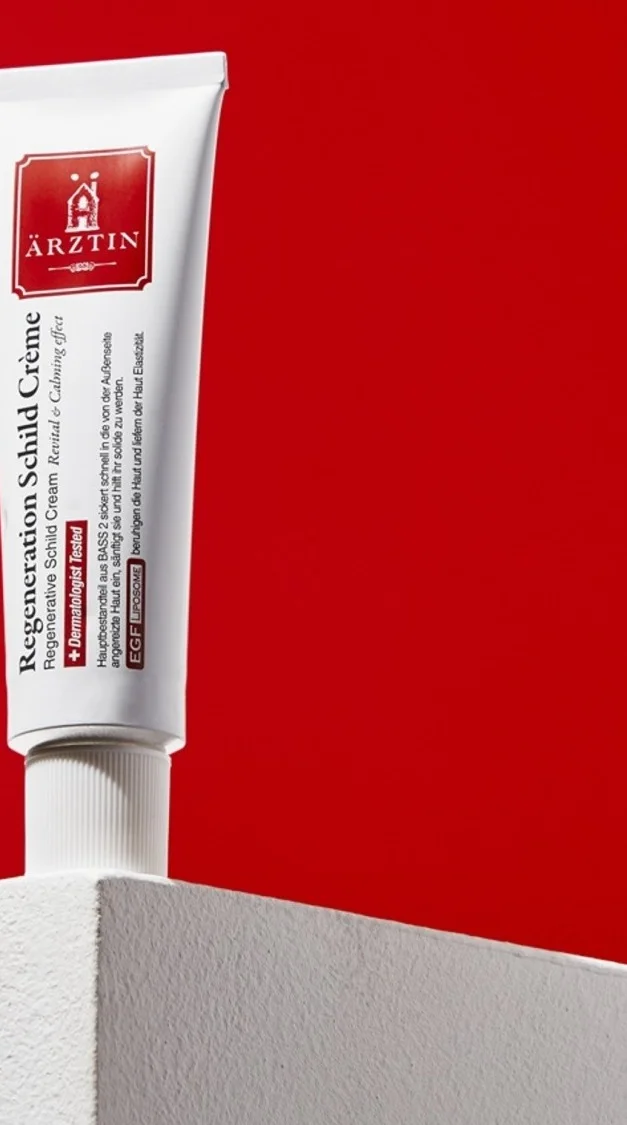 리제너레이티브 실트 크림Buy
Anti-wrinkle functional cosmetic · A rich cream that addresses both elasticity and barrier care
- 리제너레이티브 실트 크림Buy
Anti-wrinkle functional cosmetic · A rich cream that addresses both elasticity and barrier care
- 리제너레이티브 실트 크림Buy
Anti-wrinkle functional cosmetic · A rich cream that addresses both elasticity and barrier care
- 리제너레이티브 실트 크림Buy
Anti-wrinkle functional cosmetic · A rich cream that addresses both elasticity and barrier care
- 리제너레이티브 실트 크림Buy
Anti-wrinkle functional cosmetic · A rich cream that addresses both elasticity and barrier care