
Ceramide NP Application Order — Where to Place It in Your Skincare Routine
Ceramide NP is a lipid-based ingredient that forms part of the skin barrier, and on ingredient lists it often appears near oils and waxes, so within a skincare routine it makes sense to apply it after the hydration steps—at the finishing stage alongside more oil-based formulas. However, listing order can vary by manufacturer and formulation once concentration drops below a certain level, so order alone cannot determine content amount. This article organizes the question of 'when to apply Ceramide NP' from the perspective of reading ingredient lists and formulation design.
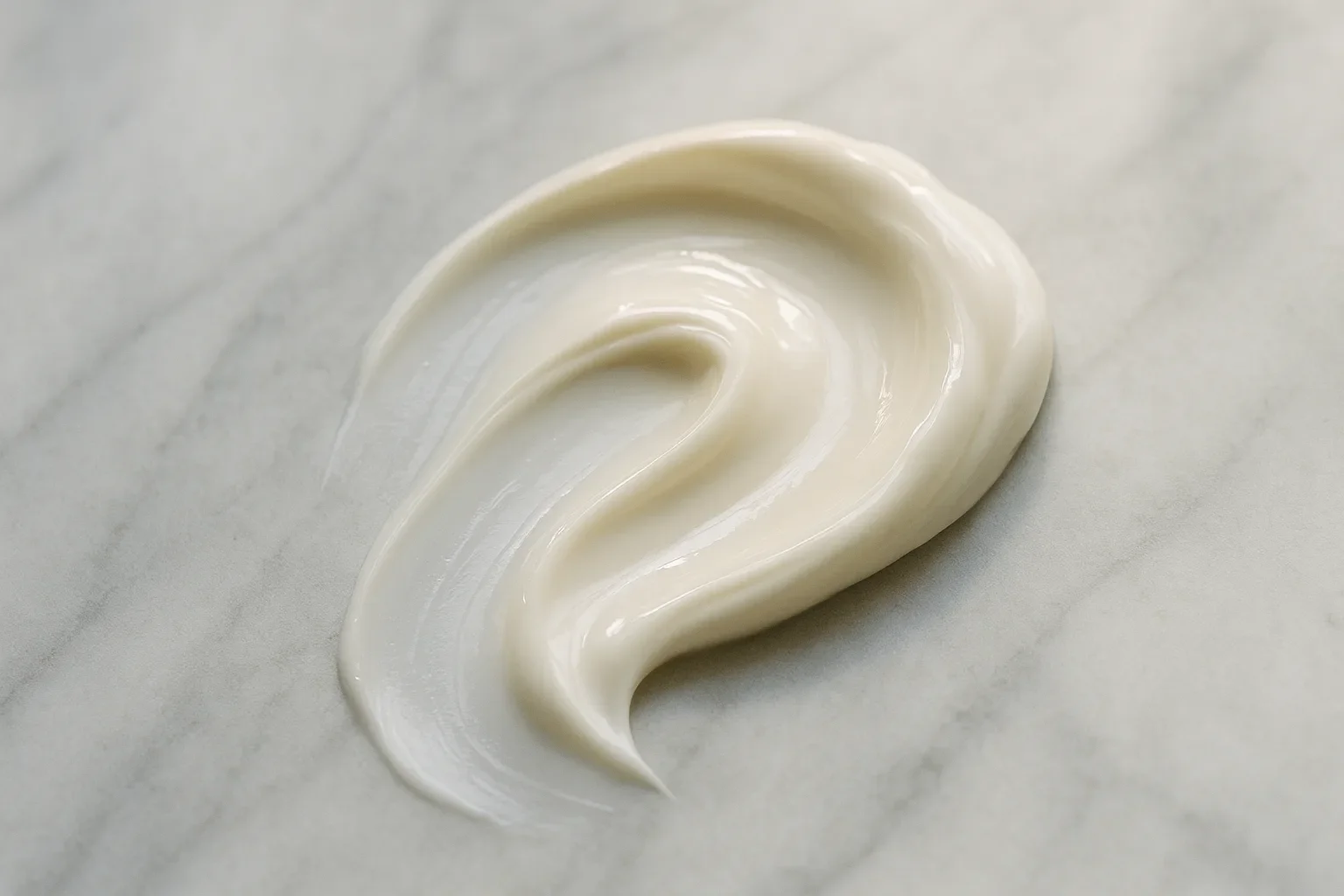
One of the things people who search for Ceramide NP often wonder about is 'should this ingredient be applied at the toner stage, or at the cream stage?' To state the conclusion first, Ceramide NP is not an ingredient that mixes well with water but rather a lipid ingredient closer to an oil-based material, so within a skincare routine, it makes formulation sense to encounter it at the final oil-based step after completing the hydration and functional steps.
- 1TonerSkin texture conditioning, focused on moisture-retaining ingredients
- 2Essence/AmpouleDelivery stage for functional/active ingredients (e.g., adenosine, peptides)
- 3CreamFinishing stage with barrier lipid/oil ingredients such as Ceramide NP
The meaning of where Ceramide NP appears on the ingredient list
Cosmetic ingredient lists are labeled in descending order of content, but there is a rule that once concentration falls below a certain level, the listing order may be rearranged. So it's difficult to judge 'how much of this is in the product' just from whether Ceramide NP appears near the beginning or end of the list. What deserves more attention is which ingredients are listed alongside Ceramide NP.
Ceramide NP often appears alongside lipid ingredients like cholesterol and palmitic acid, and this isn't a coincidence—lipid components that make up the skin barrier tend to have similar physical properties, which leads formulators to combine them during product development. When reading an ingredient order, it's more practically informative to look at 'which group of ingredients it's paired with' rather than 'what position it appears in.'
Why do watery and oily steps come in different order?
In a skincare routine, toners, essences, and ampoules are generally water-based formulas, while creams and balms that follow tend to have higher oil content. This distinction exists because water and oil don't mix well, and lipid ingredients like ceramide NP are often more stably formulated into oil-containing products than into water-based ones.
So when incorporating a product containing ceramide NP into a routine, the typical order is to first let the watery steps (toner, essence) absorb, then encounter it at the oily step (cream, balm). This is less an absolute rule than a conventional order that naturally forms based on the physical properties of each ingredient.
| Formula type | Base | Tendency for ceramide NP placement |
|---|---|---|
| Toner/essence | Water-based | Relatively rare |
| Lotion | Water-oil mix | Early to mid-step, depending on the product |
| Cream | Rich texture with high oil content | Commonly found at the final step of a routine |
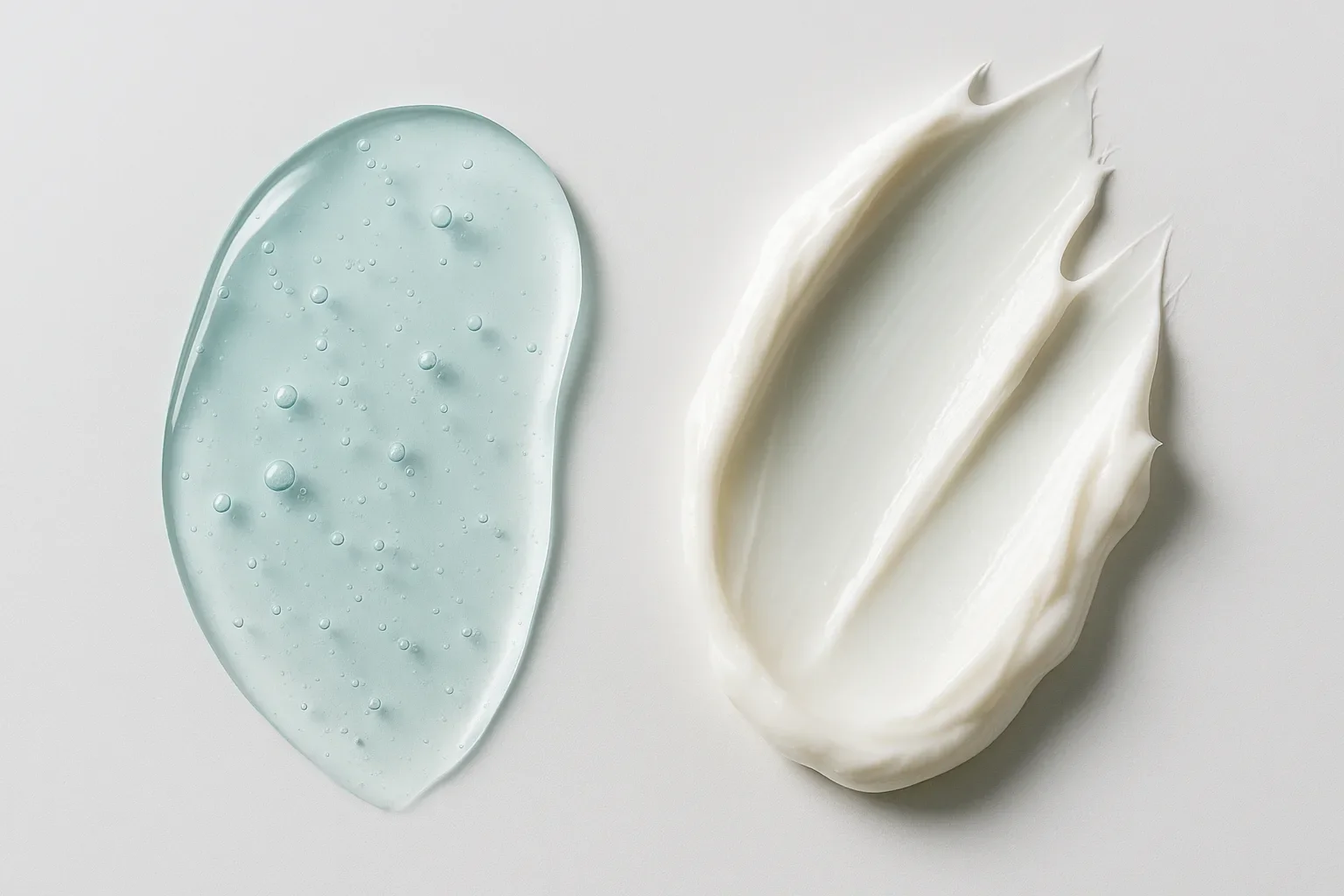
Serums/ampoules and creams play different roles
The serum/ampoule step often contains functionally certified ingredients like adenosine or water-soluble-leaning active ingredients like peptides, while the cream step often contains barrier lipid ingredients like ceramide NP together with oil components like squalane and shea butter, serving a finishing role. In other words, if serums/ampoules are closer to a 'delivery' role, creams can be seen as playing more of a 'retention' role.
Once you understand this distinction, it also makes sense that it's more reasonable, when reading an ingredient list, to check for ceramide NP in a cream formula rather than expecting to find it at the ampoule step.
Summarizing the application order
The general order is to cleanse the face, tone the skin with a toner, let an essence or ampoule containing functional/active ingredients like adenosine or peptides absorb, and finish with a cream containing ceramide NP. The reason the cream comes last is that its oil components settle like a thin film over the moisture and active ingredients applied earlier, helping prevent that moisture from evaporating.
However, this order can vary slightly depending on the formula. Even the same ceramide NP might be used earlier in the routine if it's in a lighter formula like a lotion, whereas a rich-textured cream naturally belongs at the very end of the routine. Ultimately, the standard for determining order isn't a single ingredient but the type of formula that ingredient is contained in.
The final step—what kind of cream should you finish with?
From this perspective, when choosing a product containing Ceramide NP, it's good to check what stage of the routine that cream was designed for and for what purpose. ARZTIN Regenerative Sealed Cream is a product designed to finish with a rich texture by combining barrier lipids composed of Ceramide NP, cholesterol, and palmitic acid with oils such as squalane, shea butter, and argan kernel oil, and is made to be used in the final step of the routine after the toner and essence steps. At the same time, it contains adenosine, which has been assessed as a functional cosmetic ingredient for wrinkle improvement, so understanding that this finishing step, which reinforces the barrier, can also address elasticity care helps clarify this product's position.
사용 전과 비교해 사용 직후 통계적으로 유의하게 개선됐습니다. 개선율(%)은 사용 전 대비 변화량의 비율이며(|사용 후−사용 전|÷사용 전×100), 개인차가 있을 수 있습니다.
출처 P&K 피부임상연구센타 인체적용시험 결과보고서 (PNK-24610-RD1R2, 2024)
자극으로 일시적으로 손상된 장벽이 자극 직후 상태와 비교해 얼마나 돌아왔는지를 나타내는 비율이며, 피부가 그만큼 좋아진다는 뜻은 아닙니다. 개선율(%)은 사용 전 대비 변화량의 비율이며(|사용 후−사용 전|÷사용 전×100), 개인차가 있을 수 있습니다.
출처 P&K 피부임상연구센타 인체적용시험 결과보고서 (PNK-24610-RD1R2, 2024)
Frequently asked questions
- Can Ceramide NP also be included in toners?
- Physically it's possible, but due to the nature of lipid ingredients, they tend to be formulated more stably in lotions or creams with some oil content rather than water-based formulas. Since formulation design differs by product, it's more accurate to check the ingredient list as well.
- Is it okay to use a cream containing Ceramide NP both morning and night?
- Since barrier lipid ingredients act as oils that help prevent moisture loss, there's generally no major restriction on morning and evening use. However, the sensory experience may vary depending on individual skin condition or season, so it's best to adjust according to your own skin.
- If Ceramide NP appears near the end of the ingredient list, does that mean it's present in a small amount?
- Not necessarily. Once concentration drops below a certain level, listing order can differ from actual content, so it's difficult to determine amount from position alone. Looking at which ingredient groups it's listed alongside is a more practical way to check.
- What should I do if I feel irritation after applying Ceramide NP?
- If temporary tightness or an abnormal reaction persists, it's recommended to stop use and consult a dermatologist or other specialist. Reactions may vary depending on individual skin condition.
Related products
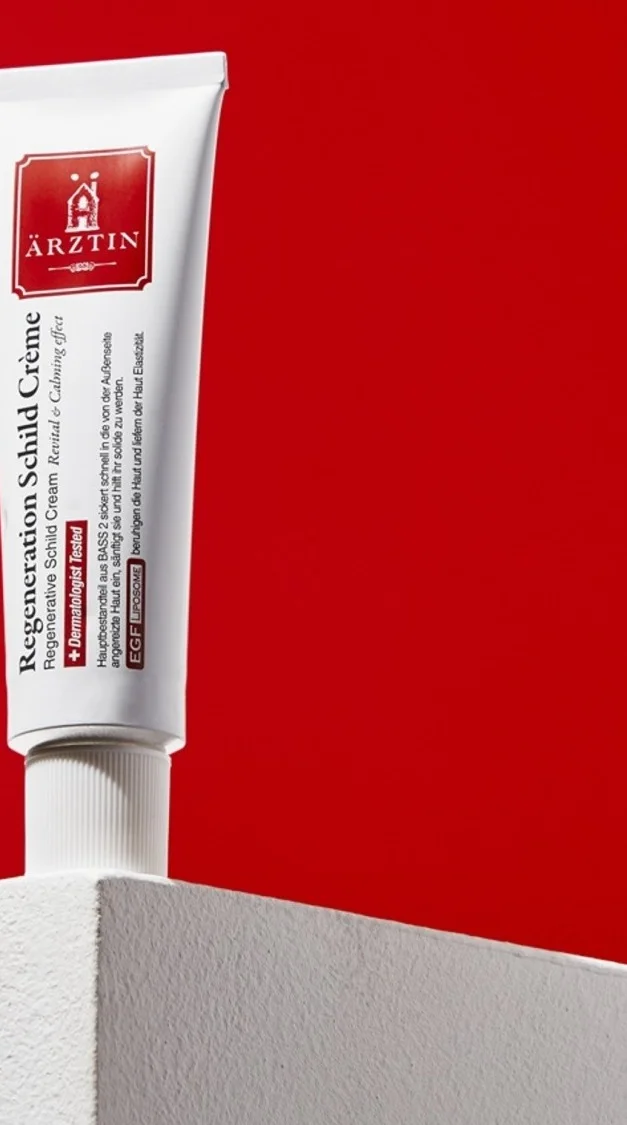 리제너레이티브 실트 크림Buy
Anti-wrinkle functional cosmetic · A rich cream that addresses both elasticity and barrier care
- 리제너레이티브 실트 크림Buy
Anti-wrinkle functional cosmetic · A rich cream that addresses both elasticity and barrier care
- 리제너레이티브 실트 크림Buy
Anti-wrinkle functional cosmetic · A rich cream that addresses both elasticity and barrier care
- 리제너레이티브 실트 크림Buy
Anti-wrinkle functional cosmetic · A rich cream that addresses both elasticity and barrier care
- 리제너레이티브 실트 크림Buy
Anti-wrinkle functional cosmetic · A rich cream that addresses both elasticity and barrier care