
When your skin feels tight in a dry indoor environment, what to address first
If your skin feels tight in indoor spaces with strong heating or air conditioning, the cause is often a combination of 'lack of moisture in the air' and 'reduced moisture retention capacity of the skin itself.' When you're in a hurry, it's practical to first soothe surface tightness with a mist or moisture cream, and fundamentally, to check your cleansing habits and finishing cream in order. This article summarizes the reasons for tightness and the order of response by priority.
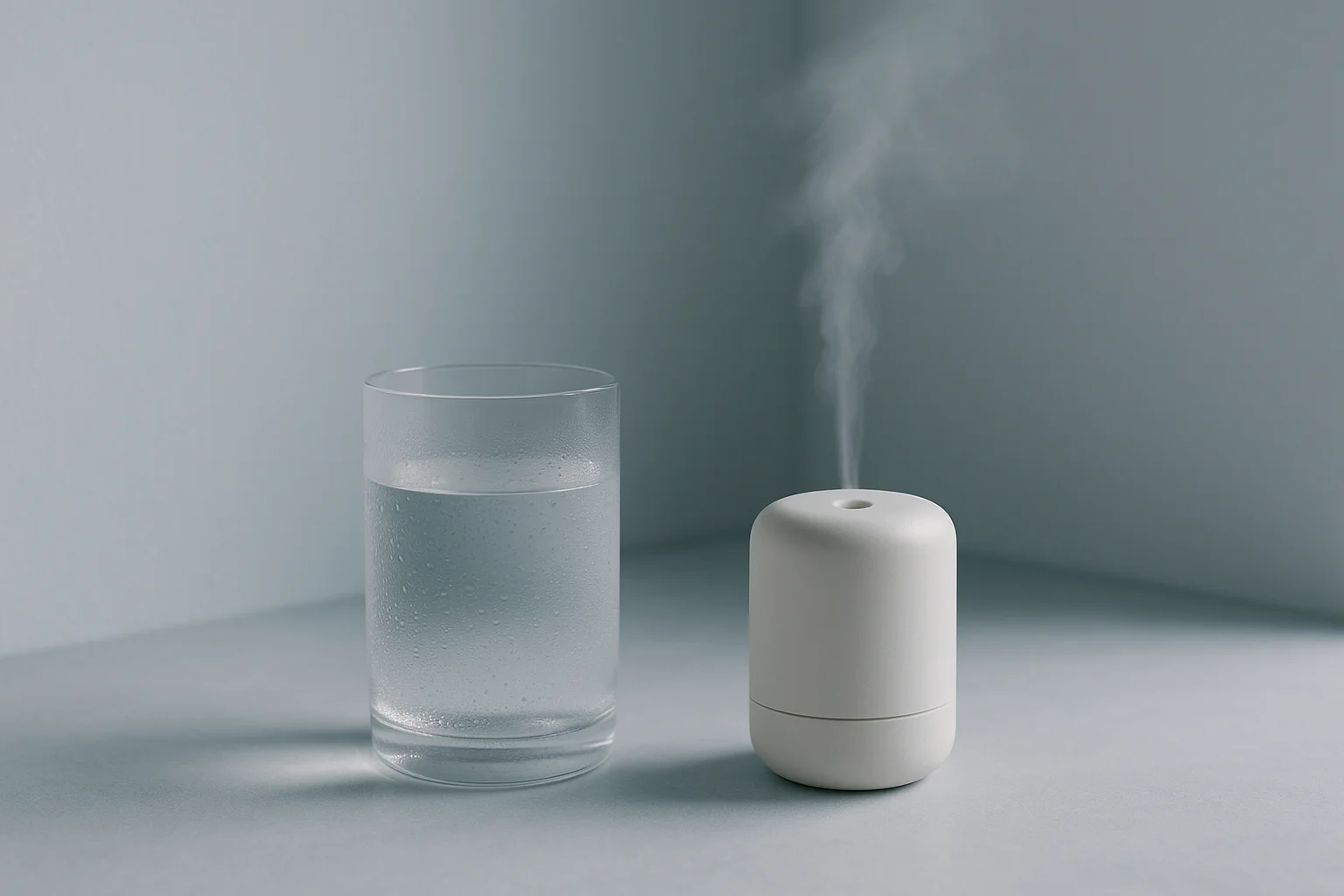
You may have experienced a distinct tight feeling on your face in an office with the heating on in winter, or in a subway or café with strong air conditioning in summer. This sensation of sudden tightness, even without having washed your face with water, isn't just an illusion — it's an actual reaction caused by rapid evaporation of moisture from the skin surface.
The issue is that if you don't know what order to address things in, you may end up just layering on product after product, which can end up burdening the skin instead. Below, we've organized everything from the causes to a priority-based care order.
- 1Check your cleansing methodLukewarm water, short cleansing time
- 2Moisturize immediately after cleansingFill in moisture first with toner or essence
- 3Seal with a finishing creamForm an oil layer so moisture doesn't escape
- 4Supplement the indoor environmentAdd moisture to the air with humidification, etc.
- 5Reassess texture if it recursShift from a light texture to a richer type
Why does tightness happen especially indoors — the relationship between humidity and skin moisture
The reason indoor air becomes dry has nothing to do with the season. In winter, heating reduces moisture in the air, and in summer, air conditioning and dehumidifying functions likewise draw moisture out of the air. As the air becomes drier, the difference in moisture concentration between the skin surface and the outside air widens, and moisture keeps escaping from the skin surface as it moves toward narrowing that gap.
On top of this, if the skin's own moisture-retaining ability is already lower than usual, the rate of evaporation becomes even faster. If habits such as frequently using a strongly cleansing cleanser, over-exfoliating, or skipping the finishing moisturizing step overlap, the skin becomes even more sensitive to indoor dryness. In other words, it's accurate to see tightness as a result created jointly by 'the external environment' and 'the skin's own condition.'
Inner tightness and outer tightness feel different, so the approach should differ too
Tightness can largely be divided into two types. One is 'outer tightness,' a slight surface-level tightness felt right after cleansing or shortly after entering an indoor space, which usually eases with time or with just light moisturizing. The other is 'inner tightness,' where the tightness continues even after time passes and is accompanied by a rough feeling or flaking when touched.
Outer tightness is largely influenced by that day's environmental factors, so it can be addressed immediately with a mist or a light moisturizer. On the other hand, if inner tightness keeps recurring, it's better to take it as a sign that you need to review your usual moisturizing routine itself, rather than treating it as just a one-day issue.
Care order by priority — what to address first
Rather than applying things randomly when you feel tightness, it's recommended to check things in the following order.
Step one, check your cleansing method first. If you've been cleansing for a long time with hot water or using a strong cleanser every day, that itself could be the cause of the tightness. Simply switching to a short cleanse with lukewarm water often reduces outer tightness.
Step two, make sure to moisturize immediately after cleansing. The basic order is to first fill in moisture with a toner or essence before the skin dries after cleansing, then seal it in with a finishing cream on top so the moisture doesn't escape. Skipping this order can cause the moisture you added earlier to evaporate quickly.
Step three, check the indoor environment itself. You can also consider ways to add moisture to the air, such as placing a humidifier or a cup of water nearby.
Step four, if inner tightness keeps recurring, take another look at the texture and ingredient composition of your finishing cream. If a light lotion alone isn't enough, switching to a formula with more oil content is one option.
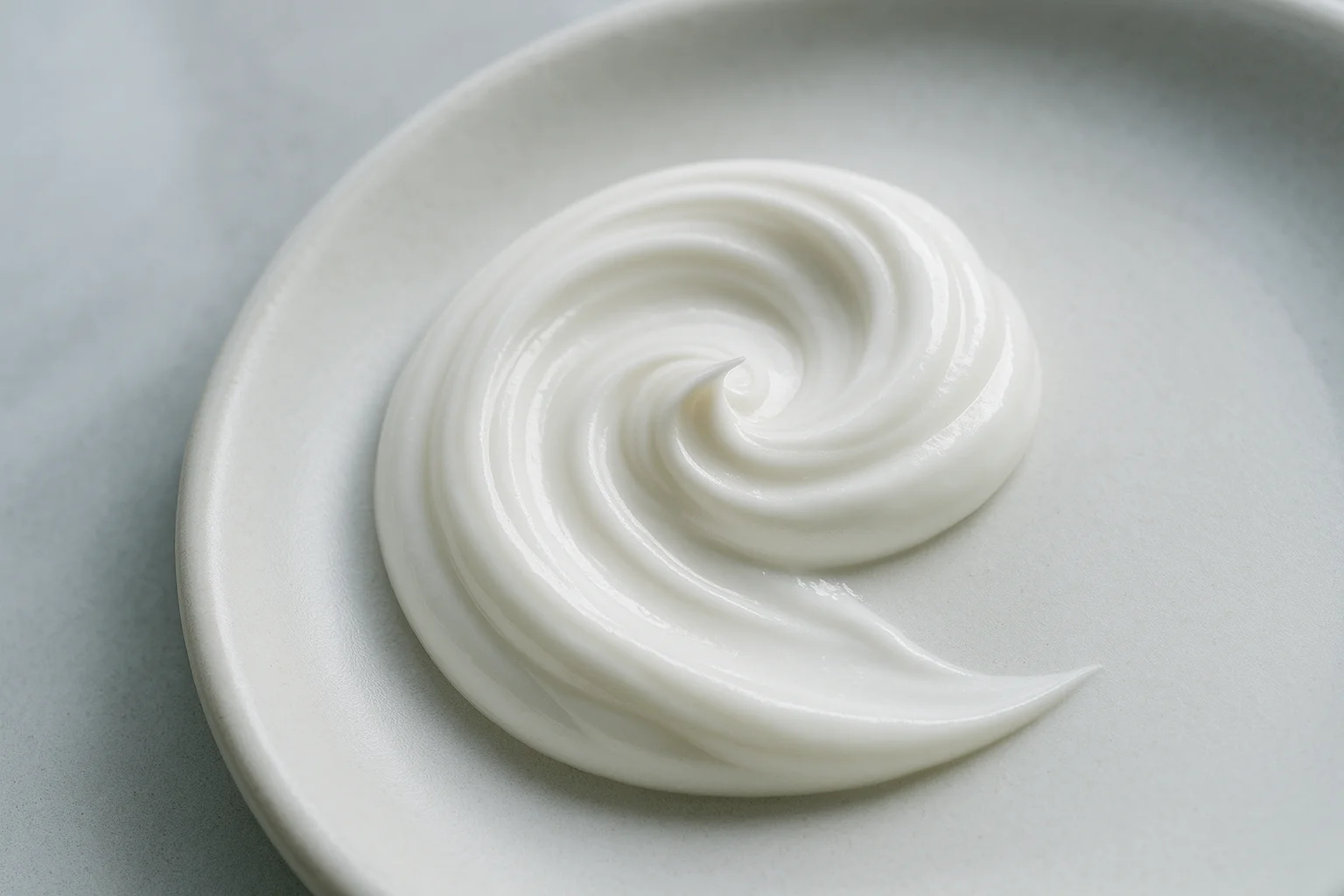
The final step, which cream to finish with
When indoor tightness keeps recurring, the first thing you can try changing is the weight of the cream you apply at the finishing step after cleansing. If a light lotion alone can't get you through the day in this season, you might consider filling in the last layer with a richer formula that contains more oil content. 에르쯔틴 리제너레이티브 실트 크림 is a rich-type formula designed for use at this finishing step, containing oil components that hold in moisture along with adenosine, which has undergone a wrinkle-improvement functional review, so it can be a reference when you want to address both moisture care and elasticity care during the dry season at once. However, since skin reactions vary by individual, it's recommended to test a small amount first.
Frequently asked questions
- Why does the tight feeling from heating seem especially severe?
- When heating lowers indoor humidity, the difference in moisture concentration between the skin surface and the air widens, causing skin moisture to evaporate faster. On top of that, the longer you stay indoors, the more this feeling can build up. It may help to check both your cleansing habits and your finishing moisturizer step.
- Does a humidifier actually help?
- Since it raises indoor humidity, it can help slow down the rate at which moisture evaporates from the skin surface. However, a humidifier alone doesn't necessarily improve the skin's own ability to retain moisture, so it's practical to use it alongside a moisturizing routine.
- Is there a tip for reapplying moisturizer during the day?
- If you're wearing makeup, first replenish moisture with a mist, then gently press a light cream or balm (in a balm-type texture) onto the skin with your fingertips to add moisture with less pilling. Pressing rather than rubbing is recommended.
- How do you tell inner tightness apart from surface tightness?
- If the tight feeling occurs right after cleansing or is temporary and eases over time, it's closer to surface tightness. If the tightness continues over time and is accompanied by a flaking sensation, it's closer to inner tightness. If inner tightness keeps recurring, it's a good idea to reexamine your overall moisturizing routine.
- If the tightness continues, should I see a doctor?
- If tightness or irritation persists for a long time even after adjusting your moisturizing care, or if redness or a burning sensation accompanies it, it's recommended to consult a dermatologist or other specialist.
Reviewed by 아비쥬의원 의료진. (September 2, 2026)
Related products
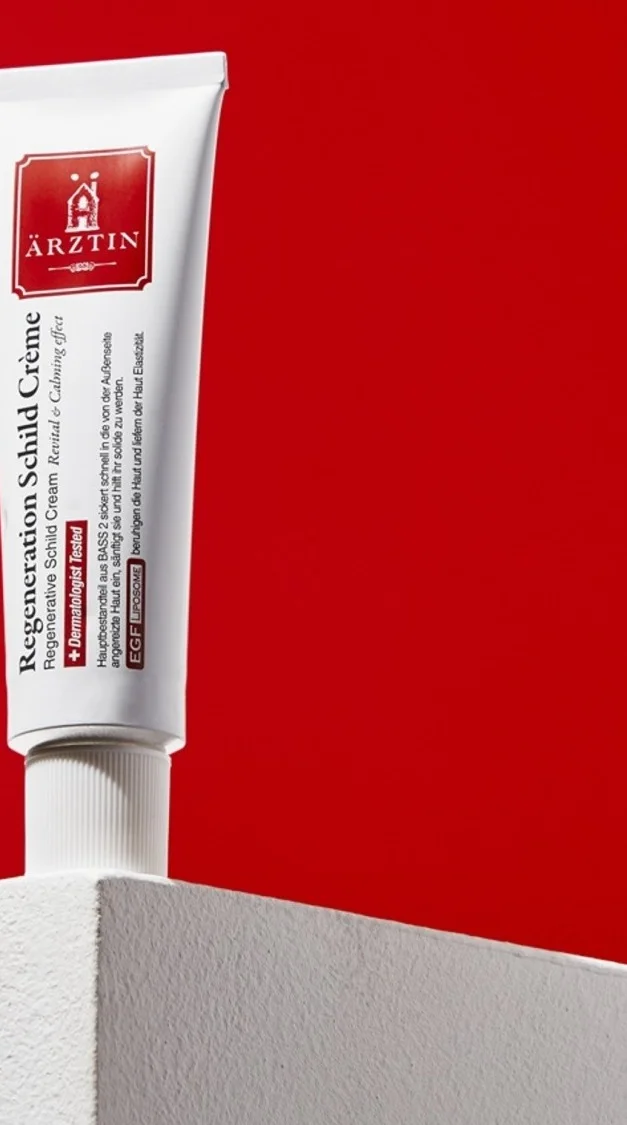 리제너레이티브 실트 크림Buy
주름 개선 기능성 화장품 · 탄력과 장벽을 함께 보는 리치 크림