
Glycerin's Principle and Characteristics — Why It Often Appears Second on Ingredient Lists
Glycerin is a moisturizing ingredient that works through a hygroscopic principle, drawing in and holding onto moisture from the air and within the skin, and is used as a basic component in so many formulations that it often appears right after water on ingredient lists. However, since glycerin alone only plays the role of holding onto moisture, properly reading an ingredient list means also checking whether oil/lipid ingredients that prevent that captured moisture from evaporating, as well as ingredients aimed at elasticity, are designed in alongside it.
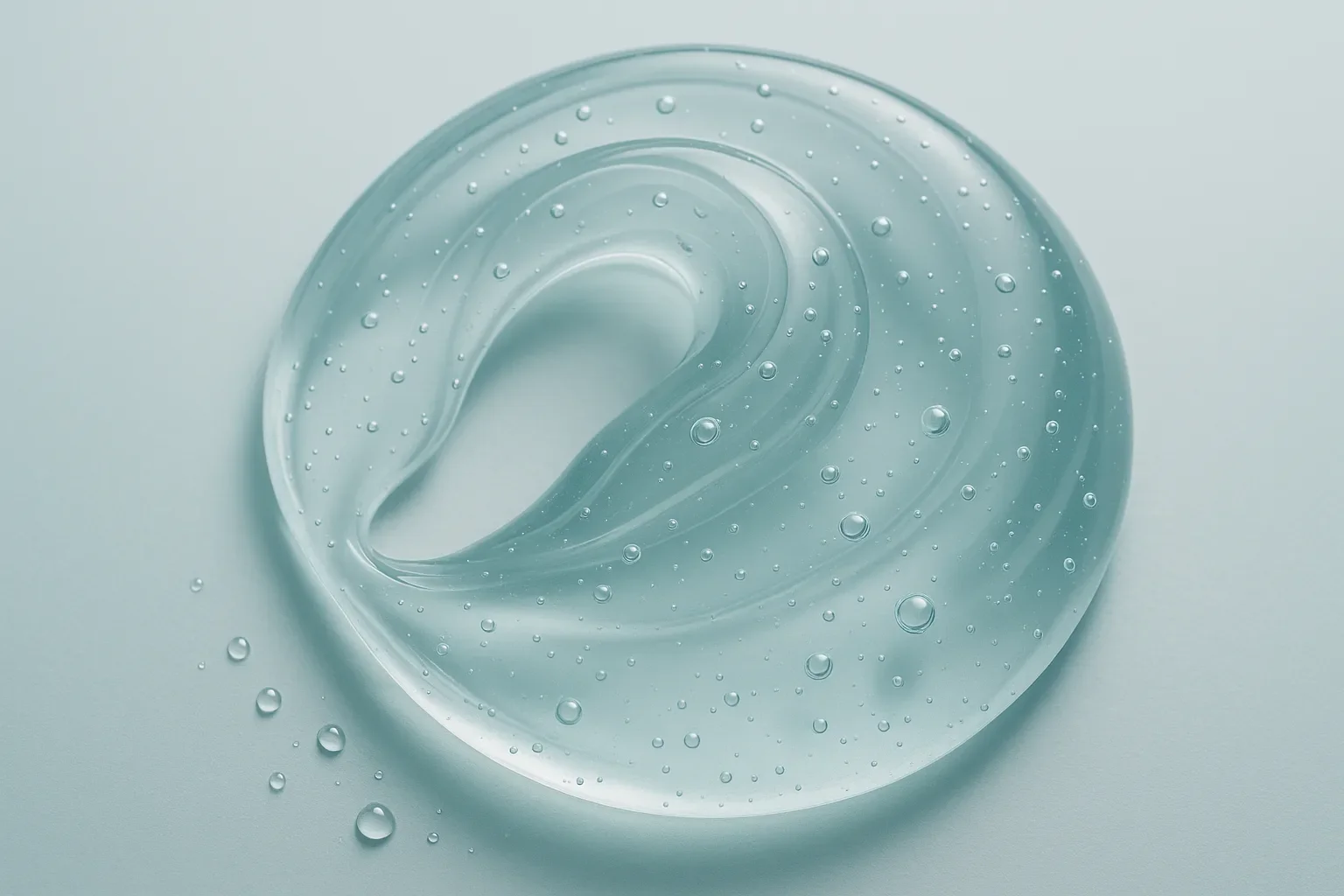
You may have wondered, while looking at an ingredient list, "Why is glycerin always near the top of this product?" or "Is it good if it contains a lot of glycerin?" Glycerin isn't a special raw material unique to a particular brand—it's one of the moisturizing ingredients that has been used the longest and most widely across skincare overall. Understanding exactly how it works can take your ability to read ingredient lists to the next level.
What Principle Does Glycerin Work By?
The key to glycerin lies in its property of being 'hygroscopic.' Due to its molecular structure, it has multiple sites that attract water molecules, allowing it to draw moisture from the surrounding air or from deeper layers of the skin toward the epidermis and hold onto it there. Because of this mechanism, glycerin is classified as a representative 'humectant' (a moisture-attracting and moisture-holding ingredient) in cosmetics.
However, this principle comes with one condition: the moisture that glycerin draws in can evaporate back into the air if nothing covers the surface. That's why glycerin is usually not used alone, and is often formulated alongside oil-based ingredients that seal the surface to slow down moisture evaporation.
What glycerin's position in the full ingredient list means
There is a rule that cosmetic ingredient lists are labeled in descending order of content, but ingredients below a certain percentage can be listed out of order. When glycerin frequently appears right after water, near the top of the list, it can be understood to mean that it is widely used as a basic base ingredient across many different formulations.
However, it's difficult to conclude that 'this product has strong moisturizing power' based on position alone. Even among products with glycerin near the top, you need to look at what oil and lipid ingredients it's formulated with, and what moisturizing and elasticity ingredients follow afterward, to get the full picture. Since the order of lower-content ingredients can shift from formulation to formulation, there's no need to be overly sensitive about the order right after glycerin.
| Formulation Type | Glycerin's Main Role | Ingredients to Look for Alongside It |
|---|---|---|
| Toner/Essence (light formulation) | Draws in moisture for a light, refreshing supply | Other humectants such as betaine, trehalose |
| Lotion (medium formulation) | Supplies moisture while providing a light finish | Moisturizing/soothing ingredients such as panthenol, allantoin |
| Cream (rich formulation, final step) | Seals in the drawn-in moisture so it doesn't evaporate | Barrier lipids such as ceramide, cholesterol, and elasticity-care ingredients |
Where glycerin's role changes depending on formulation and timing
In light toners or essences, glycerin mainly works together with other humectants to create a refreshing moisturizing feel. In formulations with a higher proportion of oil, such as creams, glycerin is often designed to draw in moisture while barrier lipid ingredients like ceramide and cholesterol, along with oil ingredients like squalane and shea butter, seal it in from above.
During seasonal transitions when dryness intensifies, or periods with frequent heating/cooling, a formulation that combines moisture-drawing with sealing may feel more stable in actual use compared to one that only draws in moisture without sealing. This can vary depending on individual skin condition and environment.
The order of placing glycerin-containing products in a routine
The general rule in a typical routine is to apply thinner formulations first and thicker formulations later. It's easier to decide the order if you understand that toners/essences with a high glycerin content play the role of drawing in moisture in the early steps after cleansing, while creams formulated with glycerin plus oil/lipid ingredients play the role of sealing in that moisture in the final step.
In other words, rather than building a routine based on glycerin alone, it's practically more helpful to distinguish whether a product's role is to draw in moisture or to seal and lock it in, and place it in the routine accordingly.
If you want to look beyond moisturizing to elasticity as well
That covers the principle and characteristics of glycerin as a single ingredient. However, skin concerns rarely end with hydration alone. If fine lines or reduced elasticity have started to become a concern as you age, the next step is to check whether the full ingredient list includes not only ingredients that draw in and hold moisture, but also ingredients specifically designed to target elasticity care.
ARZTIN Regenerative Silt Cream is formulated with a base where glycerin is listed in a high concentration, combined with adenosine—a wrinkle-improvement functional ingredient approved by the Ministry of Food and Drug Safety—along with three types of peptides designed for elasticity care (sh-Oligopeptide-1, rh-Oligopeptide-2, rh-Polypeptide-1). In addition, barrier lipid ingredients such as Ceramide NP, cholesterol, and palmitic acid, along with oil-based ingredients like squalane, shea butter, and argan kernel oil, are added, creating a structure within the rich cream that holds in the moisture drawn in by glycerin. Checking this combination during the final finishing step is one way to translate the full ingredient list into actual skincare practice.
The final step: which cream should you finish with?
That covers the principle and characteristics of glycerin as a single ingredient. However, skin concerns rarely end with hydration alone. If fine lines or reduced elasticity have started to become a concern as you age, the next step is to check whether the full ingredient list includes not only ingredients that draw in and hold moisture, but also ingredients specifically designed to target elasticity care.
사용 전과 비교해 사용 직후 통계적으로 유의하게 개선됐습니다. 개선율(%)은 사용 전 대비 변화량의 비율이며(|사용 후−사용 전|÷사용 전×100), 개인차가 있을 수 있습니다.
출처 P&K 피부임상연구센타 인체적용시험 결과보고서 (PNK-24610-RD1R2, 2024)
사용 전과 비교해 사용 직후 통계적으로 유의하게 개선됐습니다. 개선율(%)은 사용 전 대비 변화량의 비율이며(|사용 후−사용 전|÷사용 전×100), 개인차가 있을 수 있습니다.
출처 P&K 피부임상연구센타 인체적용시험 결과보고서 (PNK-24610-RD1R2, 2024)
Frequently asked questions
- Does a higher glycerin content mean better moisturizing power?
- While a higher content may allow for a stronger hygroscopic effect, it's difficult to judge a product's overall moisturizing power from listing order alone. Ingredients present in small amounts can appear in varying positions, and whether oil/lipid ingredients that help hold onto the moisture glycerin draws in are also incorporated may have a greater effect on how it actually feels on skin.
- Is glycerin alone enough for sufficient moisturizing?
- Glycerin is strong at drawing in moisture, so for the moisturizing effect to be maintained more stably, oily ingredients that sit on top and slow moisture evaporation should also be present. If dryness is severe, you might consider adding a formulation with an oily finish as a final step rather than relying on a glycerin-only product.
- Does glycerin suit all skin types well?
- Glycerin is a widely used moisturizing ingredient, but how it feels can vary depending on individual skin condition and the overall formulation. If tightness or any adverse reaction persists during use, it's recommended to stop use and consult a dermatologist or other specialist.
- Is glycerin effective even in dry, low-humidity environments?
- Since glycerin works by drawing in surrounding moisture, its hygroscopic efficiency can be relatively lower in environments with very low air humidity. In such environments, it may help to also use a rich formulation with an oily finish.
Related products
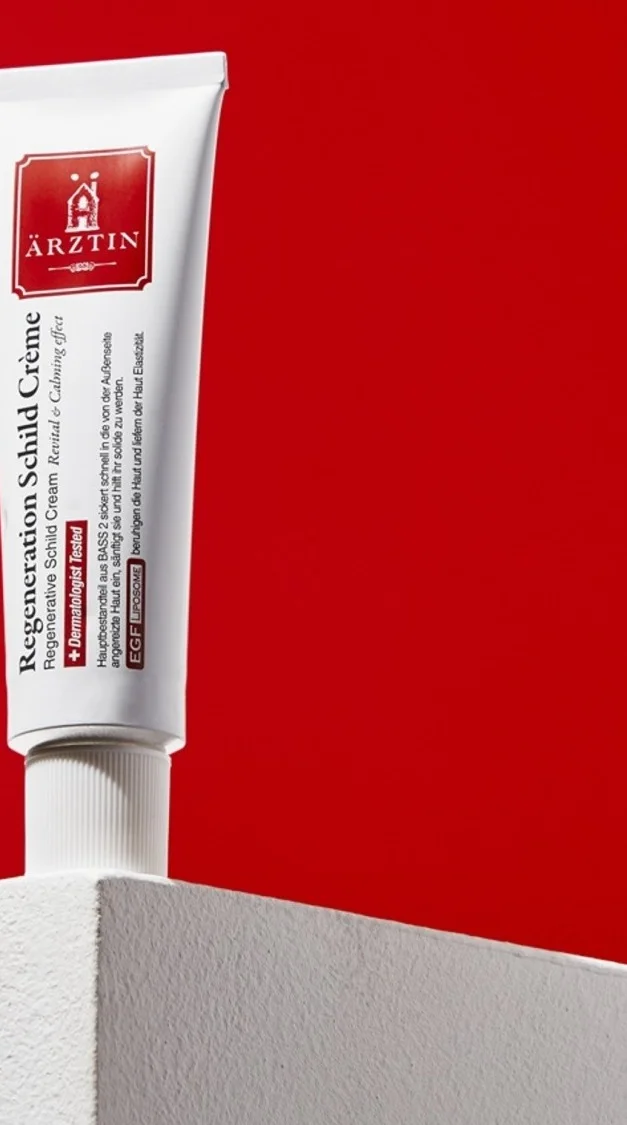 리제너레이티브 실트 크림Buy
Anti-wrinkle functional cosmetic · A rich cream that addresses both elasticity and barrier care
- 리제너레이티브 실트 크림Buy
Anti-wrinkle functional cosmetic · A rich cream that addresses both elasticity and barrier care
- 리제너레이티브 실트 크림Buy
Anti-wrinkle functional cosmetic · A rich cream that addresses both elasticity and barrier care
- 리제너레이티브 실트 크림Buy
Anti-wrinkle functional cosmetic · A rich cream that addresses both elasticity and barrier care
- 리제너레이티브 실트 크림Buy
Anti-wrinkle functional cosmetic · A rich cream that addresses both elasticity and barrier care