
How to Find Squalane in the Full Ingredient List
Squalane is typically found in the middle section of an ingredient list, after purified water and glycerin-type ingredients, where oils and esters are listed. The listing order reflects the concentration order, but in lower-concentration ranges the order can shift closely together, making it hard to determine exact content by position alone. When looking at a cream's ingredient list, it's more practical to check whether squalane appears alongside oil-based ingredients like shea butter and argan kernel oil, or barrier lipids like ceramides and cholesterol, rather than looking at squalane alone.
Cosmetic ingredient lists are required to be arranged in descending order of concentration. When looking for a familiar ingredient like squalane, many people try to gauge its concentration by 'which line it appears on,' but this method is only half correct.
Under ingredient labeling regulations, in the range where concentration decreases (generally the latter part of the formula), the listing order may not precisely reflect actual differences in content. In other words, being listed later doesn't always mean an ingredient is present in a smaller amount than one listed earlier, and the order in this range can vary depending on the formula.
- 11. Check the top baseBasic composition like purified water and glycerin
- 22. Oil and emollient sectionCheck the position of oils like squalane
- 33. Recognized functional ingredientsCheck for approved ingredients such as those for wrinkle improvement
- 44. Barrier and moisture-supporting ingredientsCheck for ceramides, panthenol, etc.
Why is squalane listed in this position?
Squalane is an oily (emollient) ingredient that helps keep moisture from evaporating off the skin's surface. In formulations with an oily texture, like creams and essences, squalane can often be found in the section where oils and esters are grouped together, right after purified water and moisturizers (such as glycerin).
This isn't because squalane is special, but because oily ingredients are often designed to make up the second-largest portion of the overall formulation, after water-based ingredients. For the same reason, other emollient ingredients like shea butter, argan kernel oil, and olive oil often appear in a similar section as well.
However, since formulation design differs by product, whether squalane appears earlier or later in the list is only a clue for guessing how 'rich' a product's texture is—it doesn't tell you the exact concentration.
Other things worth checking alongside the full ingredient list
Rather than looking at squalane in isolation, it's more practically useful to look at what other ingredients are listed around it. These can be broadly divided into three groups.
First, oily ingredients that prevent moisture evaporation, like squalane, shea butter, argan kernel oil, and olive oil. Second, ingredients from the same family as the lipids that make up the skin barrier, like ceramide NP, cholesterol, and palmitic acid. Third, moisturizing and conditioning ingredients that help hold onto moisture or soothe the skin, like panthenol, allantoin, betaine, trehalose, and glycerin.
If all three groups are present, it's likely that the formulation was designed with both barrier support and moisturizing in mind, rather than simply coating the skin with a single oil. This method of checking isn't meant for special situations like post-procedure care—it's a general way of reading the full ingredient list when choosing a cream for everyday skin elasticity and dryness management.
| Group | Role | Representative ingredient examples |
|---|---|---|
| Oils/emollients | Holds the surface to prevent moisture from evaporating | Squalane, shea butter, argan kernel oil, olive oil |
| Barrier lipid family | Belongs to the same family as the lipids that make up the skin barrier | Ceramide NP, cholesterol, palmitic acid |
| Moisturizing/conditioning | Holds onto moisture or smooths texture | Panthenol, allantoin, betaine, trehalose, glycerin |
Step-by-step checklist for reviewing the full ingredient list
If reading the full ingredient list from start to finish feels difficult, it's easier to organize by going through the following order.
Step 1, check the top ingredient group: look at how the basic base, such as purified water and glycerin, is composed. Step 2, check the oil/emollient section: look at where oils, including squalane, appear. Step 3, check functional approved ingredients: if the product claims a functionality recognized by the Ministry of Food and Drug Safety, such as wrinkle improvement, check whether the relevant approved ingredient is listed. Step 4, check barrier/moisturizing support ingredients: look at whether soothing and moisturizing ingredients such as ceramides, panthenol, and allantoin are also present.
Going through these four steps gives a rough sense of whether squalane was added as a 'standalone oil' or whether the formulation was designed with barrier support, moisturizing, and elasticity care all in mind together.
If it's a cream that also addresses elasticity and wrinkle care
In periods when elasticity doesn't feel the same as before, or when fine lines and dryness are both a concern at the same time, it may help to look for a formulation that combines elasticity care design and barrier lipid composition, rather than simply supplementing oil alone.
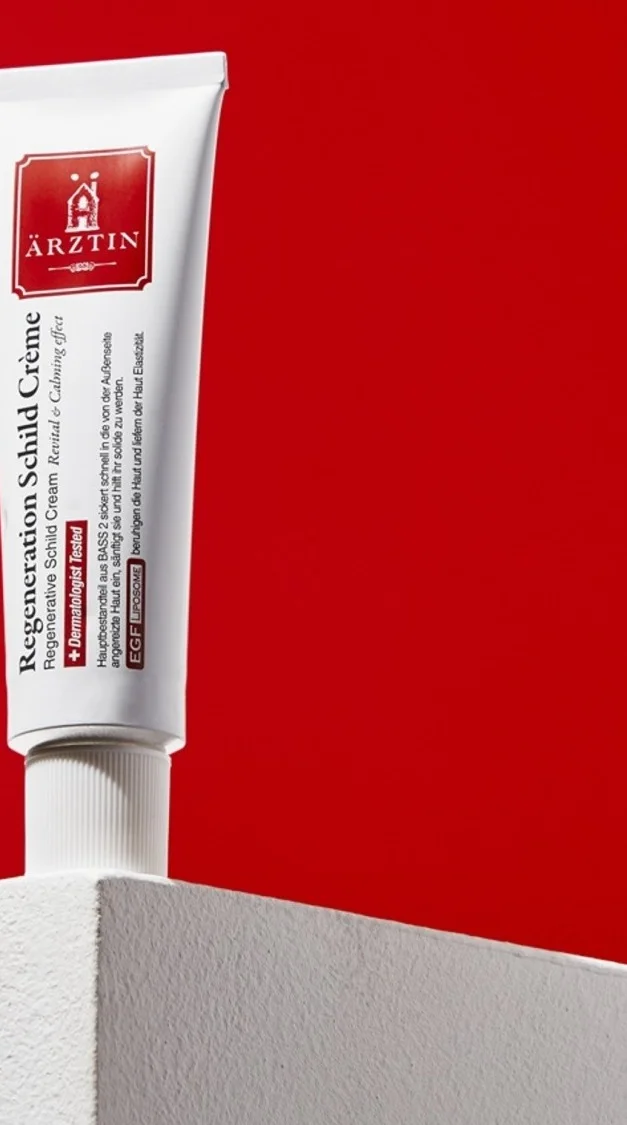
In the full ingredient list of ARZTIN Regenerative Silt Cream, squalane is also listed alongside shea butter and argan kernel oil in the section responsible for rich texture and moisture retention, and before and after that section, barrier lipid ingredients such as ceramide NP, cholesterol, and palmitic acid, adenosine—a functional ingredient recognized for wrinkle improvement—and 3 types of peptides for elasticity care can also be found. Reading the full ingredient list section by section like this can serve as a reference for gauging what roles a single cream has been designed to layer together.
However, individual experience may vary depending on skin condition and usage environment, and if any adverse reaction is felt during use, it is safer to stop use and consult a dermatologist or other specialist.
The final step—which cream should you finish with?
Making it a habit to read the full ingredient list section by section allows you to check not just for a familiar single ingredient like squalane, but whether barrier lipid and elasticity care ingredients are also designed together. ARZTIN Regenerative Silt Cream is a functional cosmetic for wrinkle improvement (certified), and is a rich-type cream that combines oils such as squalane, shea butter, and argan kernel oil with barrier lipids such as ceramide NP and cholesterol, along with adenosine and 3 types of peptides.
사용 전과 비교해 사용 직후 통계적으로 유의하게 개선됐습니다. 개선율(%)은 사용 전 대비 변화량의 비율이며(|사용 후−사용 전|÷사용 전×100), 개인차가 있을 수 있습니다.
출처 P&K 피부임상연구센타 인체적용시험 결과보고서 (PNK-24610-RD1R2, 2024)
사용 전과 비교해 사용 직후 통계적으로 유의하게 개선됐습니다. 개선율(%)은 사용 전 대비 변화량의 비율이며(|사용 후−사용 전|÷사용 전×100), 개인차가 있을 수 있습니다.
출처 P&K 피부임상연구센타 인체적용시험 결과보고서 (PNK-24610-RD1R2, 2024)
Frequently asked questions
- If squalane appears near the top of the ingredient list, does that always mean it's in a high concentration?
- Ingredients are generally listed in descending order of concentration, but in lower-concentration ranges, the listing order may not precisely reflect actual differences in content. Being near the top is just a reference point—only the manufacturer knows the exact concentration.
- What does it mean if squalane and shea butter appear together?
- Both are oil-based ingredients that help prevent moisture from evaporating from the skin's surface. If they're listed together, it can suggest the formula was designed to be rich, with an oily texture.
- Why can the listing order of low-concentration ingredients vary?
- Under ingredient labeling regulations, ingredients in the lower-concentration range may not have their listing order precisely reflect fine differences in actual content. This makes it difficult to compare concentrations based solely on the order of ingredients listed toward the end.
- Can you tell if a product is designed for firmness and wrinkle care just by looking at the ingredient list?
- For anti-wrinkle functional cosmetics, a basic check is whether an ingredient recognized by the Ministry of Food and Drug Safety (such as adenosine) is listed. Checking whether peptides and barrier lipid ingredients are also present can help you gauge the formula's overall design direction.
- What should I do if a product doesn't suit my skin even after checking the ingredient list?
- The ingredient list is only a reference and cannot predict individual reactions. If you experience redness, itching, or other adverse reactions during use, stop using the product immediately and consult a dermatologist or other specialist.
Related products
 리제너레이티브 실트 크림Buy
Anti-wrinkle functional cosmetic · A rich cream that addresses both elasticity and barrier care
- 리제너레이티브 실트 크림Buy
Anti-wrinkle functional cosmetic · A rich cream that addresses both elasticity and barrier care
- 리제너레이티브 실트 크림Buy
Anti-wrinkle functional cosmetic · A rich cream that addresses both elasticity and barrier care
- 리제너레이티브 실트 크림Buy
Anti-wrinkle functional cosmetic · A rich cream that addresses both elasticity and barrier care
- 리제너레이티브 실트 크림Buy
Anti-wrinkle functional cosmetic · A rich cream that addresses both elasticity and barrier care