
Ingredients That Pair Well with Tocopherol — Reading Formulation Design Through the Full Ingredient List
Tocopherol tends to show its role more clearly on an ingredient list when it's placed alongside oil, moisturizing, and barrier ingredients rather than working alone. Looking at which ingredient families are positioned near tocopherol on the label can help you gauge whether a product focuses on stabilizing oils or also aims at elasticity and wrinkle care. The key is reading the 'formulation structure,' not the concentration itself.
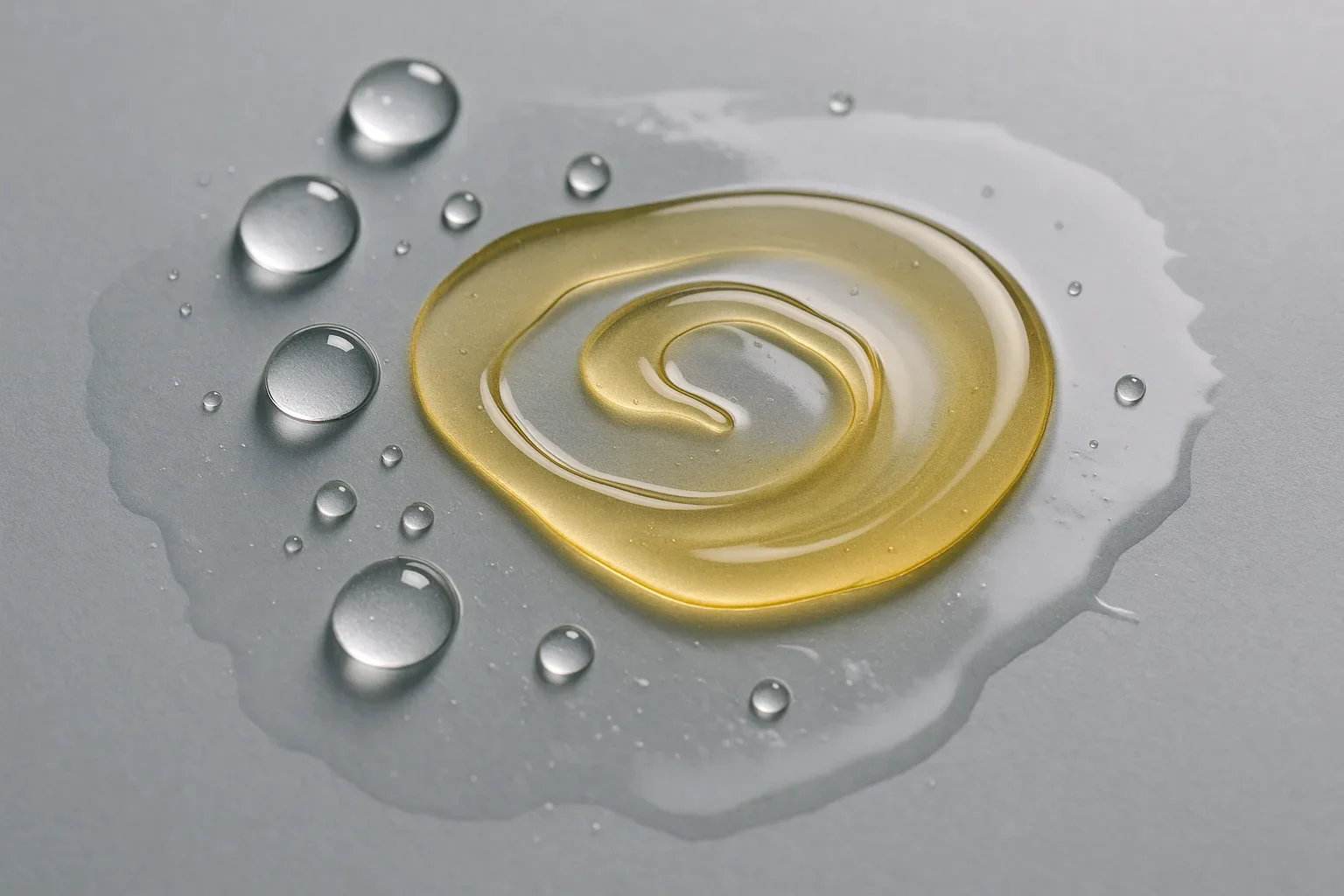
When looking at an ingredient list, people often focus on the single name 'tocopherol.' But in cosmetic formulation, a single ingredient usually doesn't work alone. Tocopherol is the same way — its position and role within the ingredient list change depending on which oils, emulsifying agents, and moisturizing ingredients it's paired with. This article structurally examines the ingredient families commonly paired with tocopherol and, based on that, outlines a way to read a product's design direction.
- 11. TonerSmoothing skin texture
- 22. Ampoule/EssenceFilling in with moisture-retaining ingredients
- 33. Rich CreamFinishing with oils, barrier lipids, and tocopherol
Why should tocopherol be read in 'combination' rather than 'alone'?
Tocopherol often appears on ingredient lists in a role that helps maintain the stability of oil components that are prone to oxidation. So when reading an ingredient list, rather than checking tocopherol alone, it's more accurate to look at which oils and lipid ingredients are placed around it.
For example, if several moisture-sealing oil ingredients such as squalane, shea butter, argania spinosa kernel oil, and olive oil appear in the middle section of the ingredient list, tocopherol can be understood as being used together with this combination of oil ingredients. Conversely, if there are almost no oil ingredients and tocopherol is listed on its own, its role and weight in that product may need to be interpreted differently.
How to categorize the ingredient families that appear alongside it
Ingredients that frequently pair with tocopherol on ingredient lists can be broadly divided into three groups.
First, the oil family. Ingredients like squalane, shea butter, and argania spinosa kernel oil work to keep moisture from evaporating off the skin's surface. If tocopherol appears next to this family, it's natural to read it in the context of maintaining oil stability.
Second, the barrier lipid family. If ingredients from the same family as skin barrier lipids — such as ceramide NP, cholesterol, and palmitic acid — are present, tocopherol can be seen as being placed alongside these lipid ingredients.
Third, the hydration/conditioning family. Ingredients such as panthenol, allantoin, betaine, trehalose, and glycerin are involved in moisture retention and soothing, and often appear earlier in the ingredient list. If tocopherol is positioned toward the end of this flow, it can be understood as the finishing stage of the overall hydration design.
However, ingredient lists are ordered by concentration, and for ingredients used in small amounts, the order can shift with only minor differences, so it's hard to conclude formulation intent from a single position difference. That's why it's more reliable to read the structure of 'which family is placed next to which family' rather than focusing on a single name.
| Family | Representative ingredients | Role on the ingredient list |
|---|---|---|
| Oil family | Squalane, shea butter, argania spinosa kernel oil | Oils that keep moisture from evaporating |
| Barrier lipid family | Ceramide NP, cholesterol, palmitic acid | Same family as the lipids that make up the skin barrier |
| Hydration/conditioning family | Panthenol, allantoin, betaine, trehalose | Moisture retention and hydration maintenance |
What to check by formulation type
The ingredient combinations tocopherol appears with can differ somewhat depending on the formulation. Lightweight lotions or essences tend to have a lower proportion of oil ingredients, so tocopherol is often placed closer to the hydration/conditioning family, while rich-type creams often feature it alongside the oil and barrier lipid families.
This checkpoint can vary depending on the season or skin condition. During periods of heavy dryness, it helps to check whether tocopherol is present alongside the oil and barrier lipid families, and during periods when elasticity is a concern, to additionally check whether elasticity-care ingredients are included in the same formulation.
How to use this combination within a routine
Step 1, cleanse and smooth the skin texture with toner. Step 2, first fill in moisture-retaining ingredients with an ampoule or essence. Step 3, finish with a rich cream in which oils, barrier lipids, and tocopherol are formulated together to lock in moisture so it doesn't evaporate.
In this routine, rather than a lightweight formula where tocopherol stands alone, it's practically useful to read the full ingredient list and check the last-step product designed together with oils and barrier lipid ingredients. This is especially worth examining carefully during seasonal transitions or when heating/cooling tends to roughen the skin.
What ultimately needs to be checked is the 'core ingredient'
The reason to look at the ingredient groups used alongside tocopherol is ultimately to check what the product is centered on. Whether a formula merely stabilizes oil and maintains moisture, or whether it also includes ingredients for elasticity and wrinkle care, cannot be determined from tocopherol alone—it requires looking at the structure of the entire ingredient list.
In the ingredient list of ARZTIN Silt Cream as well, tocopherol appears alongside oil-type ingredients such as squalane, shea butter, and argan kernel oil, and barrier lipid ingredients such as ceramide NP, cholesterol, and palmitic acid. Going a step further, what sets this product apart is that it places adenosine—approved as a functional wrinkle-improvement ingredient—and 3 types of peptides for elasticity care together in the same formula. In other words, while tocopherol and other ingredient groups handle the basic role of stabilizing oil and maintaining moisture, the ingredient list shows that the formula's overall direction is set toward elasticity and wrinkle care.
What cream should you finish with in the last step?
The habit of checking the ingredient groups surrounding tocopherol on the ingredient list is ultimately applied in this way. When choosing a product, it means separately checking whether 'ingredients that stably maintain oil are well equipped' and whether 'ingredients aimed at elasticity and wrinkle care are also included.' ARZTIN Silt Cream is designed with adenosine, a functionally approved wrinkle-improvement ingredient, and 3 types of peptides for elasticity care placed at the center of the formula, on top of the oil and barrier lipid combination discussed above. Individual skin conditions and responses may vary, and if any abnormal reaction occurs during use, discontinue use and consult a dermatologist or other specialist.
Frequently asked questions
- Are there fixed ingredients considered good to pair with tocopherol?
- There's no fixed answer. However, checking whether tocopherol is placed alongside oil-family ingredients like squalane, shea butter, or argan kernel oil, barrier lipid ingredients like ceramide NP, cholesterol, or palmitic acid, or moisturizing/soothing ingredients like panthenol or allantoin can help you gauge the product's design direction.
- If tocopherol appears later in the ingredient list, does that mean it's weaker?
- Order alone can't determine the magnitude of the effect. Ingredient lists are arranged in descending order of concentration, but especially in lower-concentration ranges, the listed order can shift with only minor differences. It's more accurate to look at which ingredient families it's paired with rather than relying on order alone.
- Can all products containing tocopherol be considered similar?
- Not necessarily. Even with the same tocopherol, a product's direction can differ depending on which oils, moisturizers, and functional ingredients it's formulated with. It's best to check the full ingredient list to see whether a product focuses on oil stabilization and moisture retention, or is also designed with ingredients for elasticity and wrinkle care.
- How should this combination be checked during seasonal transitions?
- During seasonal transitions, when skin can easily become rough and sensitive, it may help to check whether the final-step product's ingredient list pairs tocopherol with oil and barrier lipid ingredients. However, since individual differences exist, it's important to also monitor your own skin condition changes.
- What should you do if an adverse reaction occurs?
- If you experience redness or irritation while using a new product, stop use immediately, and if symptoms persist, it's recommended to consult a dermatologist or other specialist.
Related products
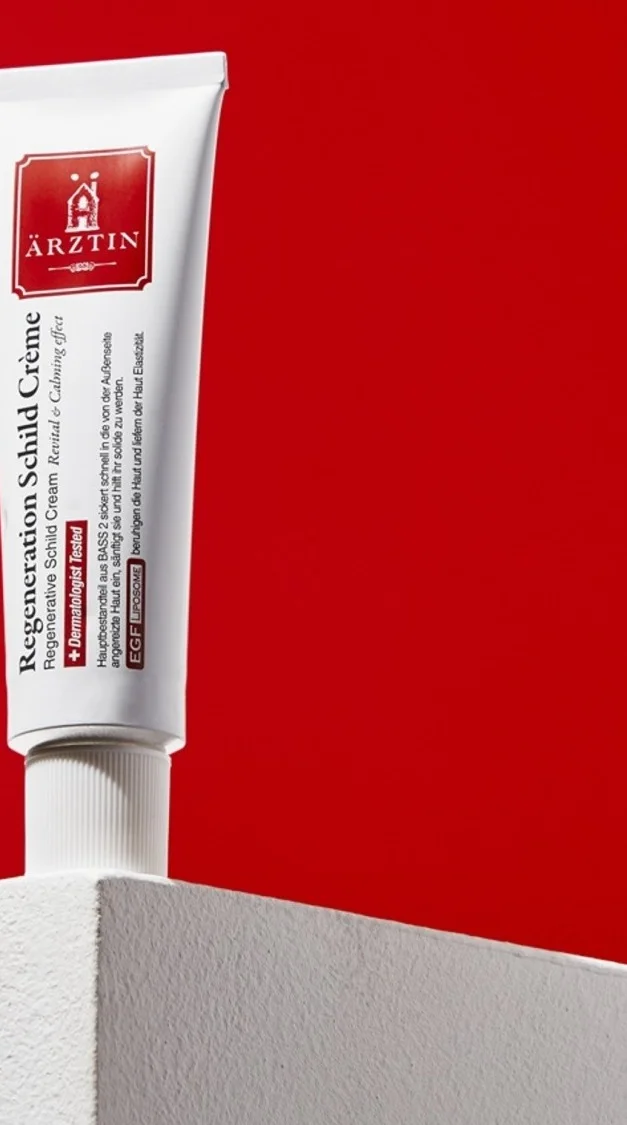 리제너레이티브 실트 크림Buy
Anti-wrinkle functional cosmetic · A rich cream that addresses both elasticity and barrier care
- 리제너레이티브 실트 크림Buy
Anti-wrinkle functional cosmetic · A rich cream that addresses both elasticity and barrier care
- 리제너레이티브 실트 크림Buy
Anti-wrinkle functional cosmetic · A rich cream that addresses both elasticity and barrier care
- 리제너레이티브 실트 크림Buy
Anti-wrinkle functional cosmetic · A rich cream that addresses both elasticity and barrier care
- 리제너레이티브 실트 크림Buy
Anti-wrinkle functional cosmetic · A rich cream that addresses both elasticity and barrier care