
Olive Oil: Principle and Characteristics — Understanding the Role of Oil Ingredients in the Full Ingredient List
Olive oil is a plant-derived oil commonly found in ingredient lists, and it's accurate to understand it as forming a thin oily film on the skin's surface to prevent moisture from evaporating. While its position in the ingredient list tends to follow the order of concentration, at lower concentration ranges the listed order can vary due to manufacturing processes, making it difficult to determine content based solely on position. In overall cream formulation design, how oil ingredients like olive oil are combined with other moisturizing and barrier ingredients determines the texture and moisture retention.
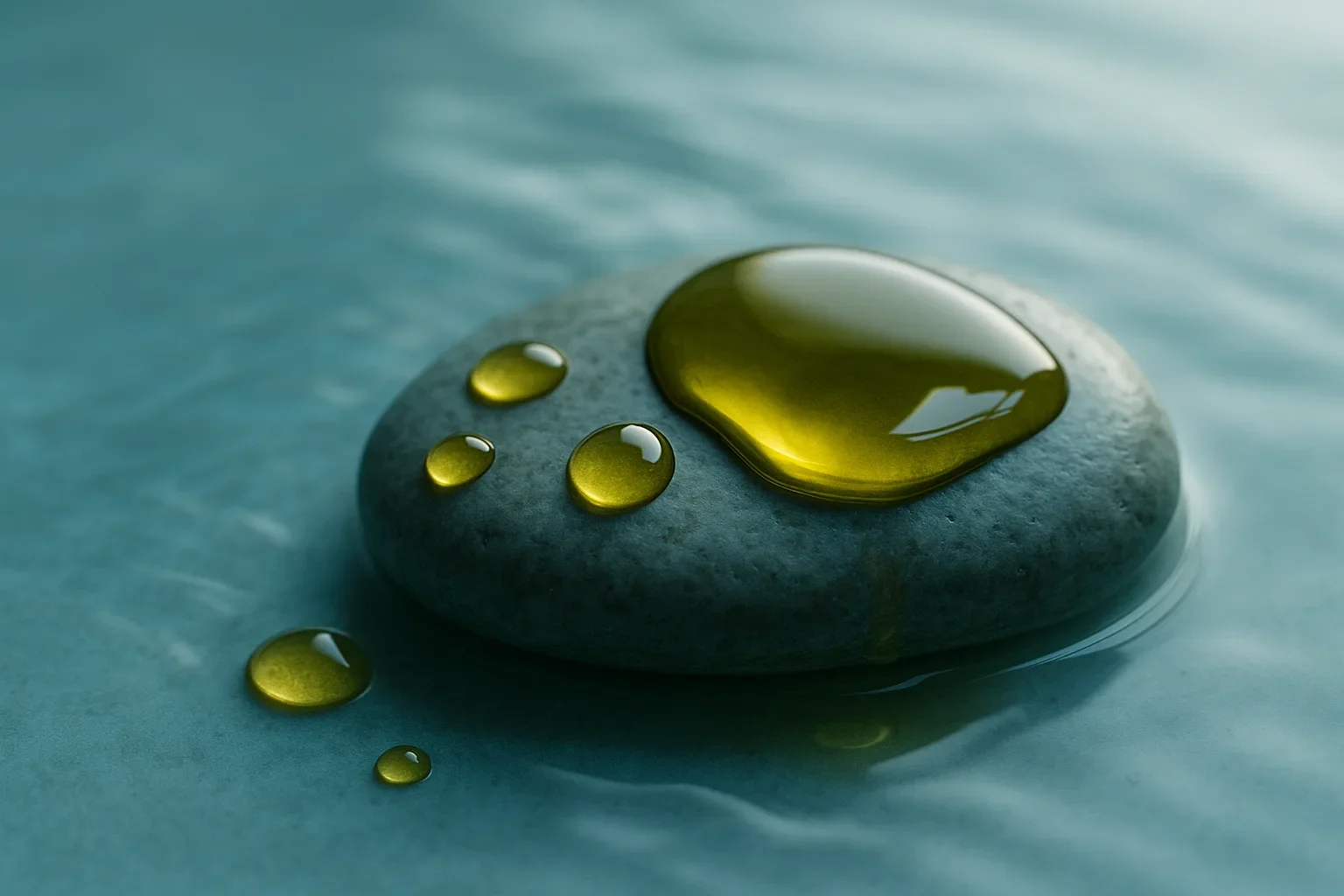
When looking through the full ingredient list of cosmetics, you often come across the name 'olive oil.' While the name itself feels familiar, many people remain vague about how this ingredient actually works on the skin and why it's included in cream formulation.
Olive oil is not an ingredient that causes physiological changes inside the skin like a pharmaceutical. From a cosmetic ingredient perspective, it belongs to the category of 'oil ingredients,' and it's accurate to explain its role as forming a thin film on the skin's surface that helps prevent moisture from evaporating.
Why is olive oil included in the ingredient list — the principle of oil ingredients
The skin surface stays smooth and supple when moisture and oil are present together. After cleansing or exposure to a dry environment, surface moisture tends to evaporate relatively quickly, and a thin oil film can help slow this evaporation.
Olive oil is one of the plant-derived oils used to form this kind of oil film. It can be understood as a mixture of fatty acids with a triglyceride structure that, when applied to the skin surface, leaves a smooth feel and works alongside other moisturizing ingredients to help retain moisture. This does not mean restructuring or cellular-level change, but rather a physical role in maintaining surface condition.
Where olive oil appears on the full ingredient list is worth asking about. Under cosmetics regulations, ingredients are generally listed in descending order of concentration, but among lower-concentration ingredients, listing order can vary due to manufacturer differences or processing reasons. So being near the end of the list doesn't necessarily mean it's 'barely present,' and being near the front doesn't always mean it's the main ingredient. Looking at the overall ingredient combination and formulation design together is a more reliable way to judge than position alone.
| Ingredient Category | Representative Ingredient Examples | Main Role |
|---|---|---|
| Oil Ingredients | Olive Oil, Squalane, Shea Butter, Argania Spinosa Kernel Oil | Forms an oil film that slows moisture evaporation |
| Barrier Lipid Group | Ceramide NP, Cholesterol, Palmitic Acid | Forms lipids similar to those that make up the skin barrier |
| Moisturizing/Conditioning Ingredients | Panthenol, Allantoin, Betaine, Trehalose, Glycerin | Moisture retention and soothing/moisturizing care |
| Elasticity Care Design Ingredients | Adenosine, 3 types of peptides | Positioned for wrinkle improvement and elasticity care purposes |
Why oil ingredients like olive oil feel different depending on skin condition and season
Even with the same cream, the feeling of oiliness often differs depending on skin condition or season. Skin that is severely dry, or has been exposed for long periods to seasonal transitions or heating/cooling environments, tends to lose surface moisture faster, and in such cases the role of the oil film may be felt more strongly.
Conversely, during periods when the moisture-oil balance is stable, the same oil ingredient may feel lighter. This isn't a problem with the ingredient itself but rather the result of several factors working together, such as daily skin condition, the order of one's basic skincare routine, and indoor humidity. Keeping in mind that individual differences can exist, observing in which season or condition your own skin needs more oil can be practically helpful.
During periods when both elasticity and fine lines are a concern, it's more reasonable to check whether a product is designed with oil, barrier lipids, and elasticity-care ingredients together, rather than relying on oil ingredients alone. While the oil film slows moisture loss, having ingredients aimed at elasticity care each play their part is what determines the overall quality of a jar of cream.
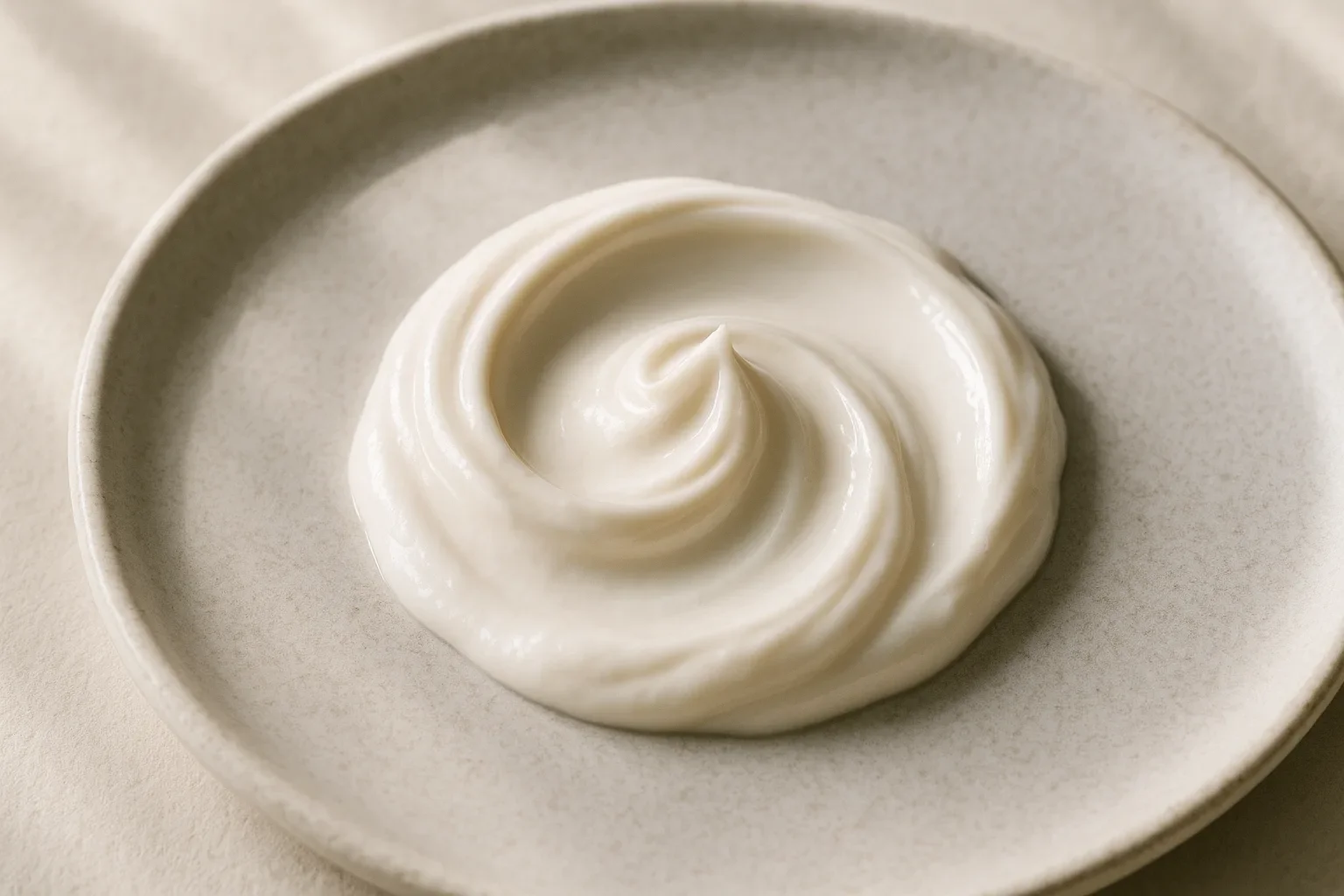
A step-by-step look at how to use oil ingredients in a routine
Step 1, check your skin condition right after cleansing. If you feel strong tightness or notice a rough surface, your skin is likely to benefit from oil-based ingredients.
Step 2, finish the moisture-focused steps like toner and ampoule first. Since oil ingredients don't supply moisture but rather seal in the moisture already applied to prevent it from evaporating, it makes sense in principle to always place them as the last step.
Step 3, in the finishing cream step, use a product containing oil-based ingredients such as olive oil. At this stage, the oil film formed can help trap the moisture supplied in the previous steps on the skin's surface.
Step 4, adjust the amount and frequency according to the season and skin condition. It is practical to use a small amount when oil-water balance is stable, and switch to a richer texture during periods of severe dryness.
The connection between oil ingredients and elasticity care from the perspective of full ingredient list design
The full ingredient list of the ARZTIN Regenerative Silt Cream also includes olive oil, which, together with other oil ingredients such as squalane, shea butter, and argan kernel oil, is confirmed to be part of a formulation responsible for rich texture and moisture retention. What sets this cream apart from other oil-focused products is that it doesn't stop at oil ingredients alone — adenosine, a functional ingredient officially recognized for wrinkle improvement, and three types of peptides designed for elasticity care are also listed together in the same full ingredient list.
In other words, it can be understood as a structure in which oil ingredients serve as a base that slows surface moisture loss, while ingredients aimed at elasticity care perform their respective roles on top of that foundation. The formulation characteristic of a rich-type cream applied as the last step also aligns with this principle of oil ingredients. However, the effects of cosmetics may vary depending on the usage environment and individual skin condition, and if any abnormal reaction is felt, it is recommended to stop use and consult a dermatologist or other specialist.
The final step, what cream should you finish with?
Once you understand the role of oil ingredients, it becomes more useful, when choosing a cream, to check 'what ingredients it's designed with' rather than 'how rich it is.' It is recommended to check the full ingredient list yourself to see whether, while an oil ingredient like olive oil slows moisture loss, ingredients aimed at elasticity care are also working together in the formulation.
Frequently asked questions
- If olive oil appears toward the end of the ingredient list, does that mean it's barely present?
- Not necessarily. Among ingredients with low concentrations, the listed order can vary due to manufacturing reasons, making it difficult to judge the amount based solely on position. Looking at the overall ingredient combination and formulation design is a more accurate approach.
- Is olive oil a moisturizing ingredient or an oil ingredient?
- In cosmetic ingredient classification, it falls under oil ingredients. Rather than directly supplying moisture, it's more accurate to understand it as forming a thin film on the skin's surface that helps prevent existing moisture from evaporating.
- Can oily skin also use creams containing olive oil?
- It depends on the formulation and overall composition. If the oily feel seems burdensome, it may be practical to reduce the amount used or adjust frequency based on season or skin condition, and skin reactions can vary by individual.
- Can olive oil alone manage wrinkles or elasticity?
- Olive oil functions as an oil film that slows moisture loss, but it is not itself a functional ingredient for wrinkle improvement. If elasticity care is the goal, it helps to check whether the product also contains separately formulated ingredients such as adenosine or peptides.
- At what stage should oil ingredients be applied?
- It aligns with the principle to first use moisture-focused products like toners and ampoules, then apply a cream containing oil ingredients as the final step. This is because oil is not an ingredient that supplies moisture, but rather serves a finishing role of locking in moisture that has already been supplied.
Related products
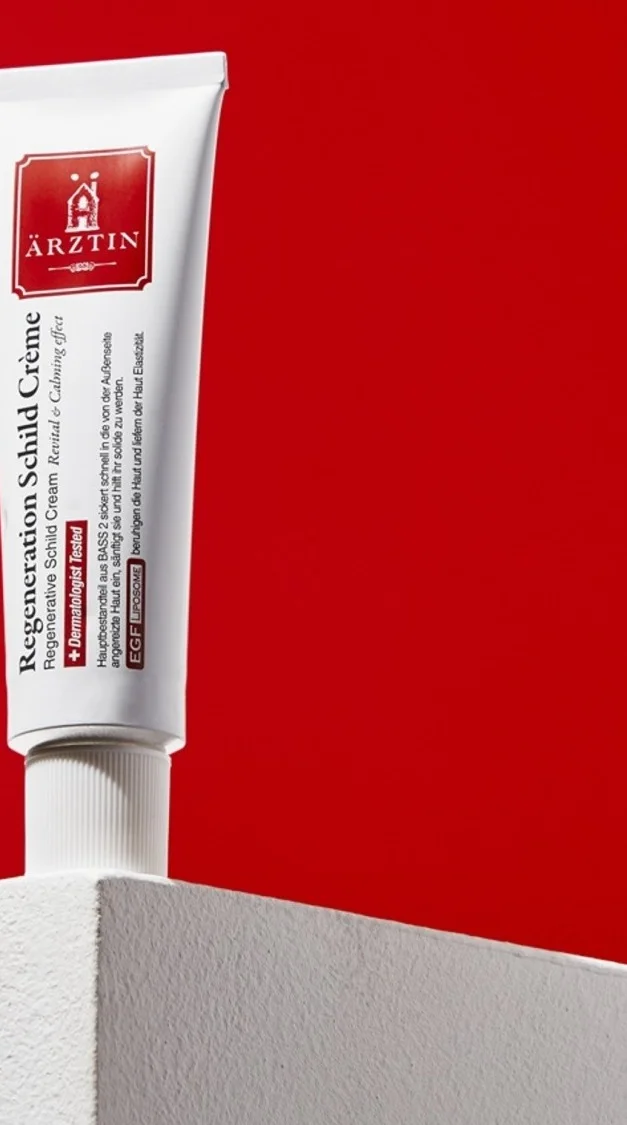 리제너레이티브 실트 크림Buy
Anti-wrinkle functional cosmetic · A rich cream that addresses both elasticity and barrier care
- 리제너레이티브 실트 크림Buy
Anti-wrinkle functional cosmetic · A rich cream that addresses both elasticity and barrier care
- 리제너레이티브 실트 크림Buy
Anti-wrinkle functional cosmetic · A rich cream that addresses both elasticity and barrier care
- 리제너레이티브 실트 크림Buy
Anti-wrinkle functional cosmetic · A rich cream that addresses both elasticity and barrier care
- 리제너레이티브 실트 크림Buy
Anti-wrinkle functional cosmetic · A rich cream that addresses both elasticity and barrier care