
Panthenol Application Order: Where Should It Go in Your Skincare Routine
Panthenol is a low-viscosity water-based ingredient, so it's often absorbed during lighter steps like toner or essence, but in practice, what matters more is the formulation and accompanying ingredients it's listed with in the full ingredient list. In other words, rather than focusing on 'which numbered step you apply it in,' it's more accurate to consider 'what formulation it's contained in, and where that formulation falls in the sequence.' Below, we've organized the placement principles based on full ingredient lists.
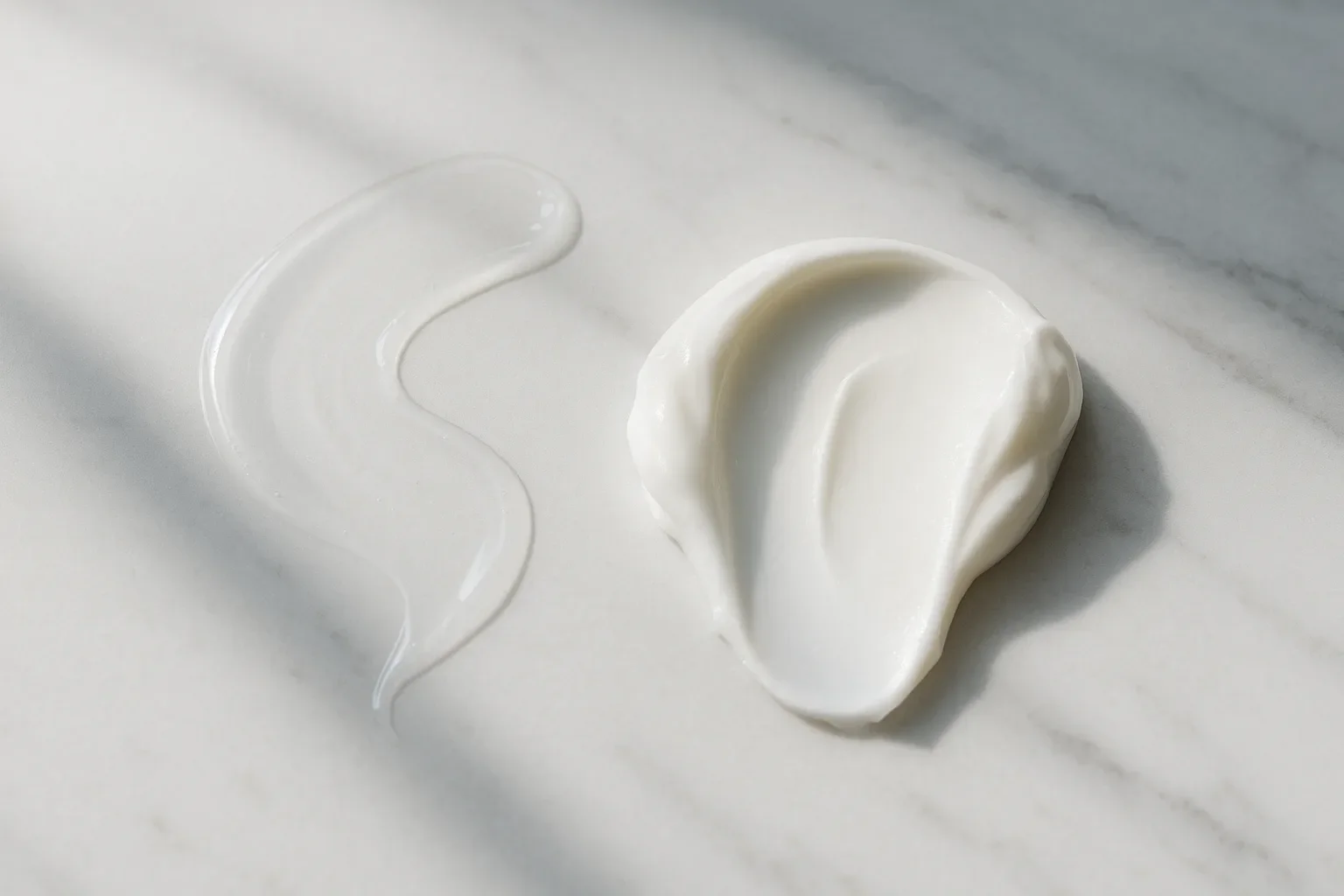
The question "which step should panthenol be applied in" is actually only half right. Panthenol itself is a water-soluble moisturizing ingredient, so it can be included in light formulations like toners, essences, and serums, as well as heavy formulations like creams and ointments. So the rule 'it's panthenol, so it must go in an earlier step' doesn't hold. What actually determines the application order isn't panthenol itself, but the overall viscosity and oil content of the formulation containing the panthenol.
- 11. Toner/EssenceFilling in hydration first with panthenol
- 22. Serum/AmpouleLayering targeted ingredients thinly
- 33. Rich CreamLocking in moisture with barrier lipids and oils, while also considering elasticity
It's the 'formulation' that determines panthenol's order
Skincare routines are generally layered from lighter to heavier formulations. The order goes from water-based toners/essences → concentrated active serums/ampoules → oil-rich creams/oils. This order exists so that a later, heavier formulation doesn't block the absorption of an earlier, lighter one.
If panthenol is in a toner, it gets applied at the very first step; if it's in a serum, at the middle step; if it's in a cream, at the last step. In other words, the 'position' of panthenol follows not the ingredient alone but the position of the overall formulation it belongs to.
The same applies when reading the full ingredient list. Just because panthenol appears near the top, right after water and glycerin, doesn't necessarily mean the product is meant for an 'earlier step.' Since ingredient lists are arranged in descending order of concentration, panthenol can appear relatively early even in a thick cream. For lower-concentration ingredients, the listing order can vary by product, so it's hard to determine a formulation's weight based on order alone.
| Formulation type | Position in routine | Common feature in ingredient list |
|---|---|---|
| Toner/essence | Step 1 (right after cleansing) | Panthenol tends to appear relatively early, right after water and glycerin |
| Serum/ampoule | Step 2 (after hydration) | Panthenol is often placed alongside purpose-driven active ingredients |
| Cream/rich formulation | Final step (finishing) | Panthenol appears in the later section alongside barrier lipids and oil-based ingredients |
Placement can be viewed differently depending on skin condition and season
On an ordinary day without severe dryness, panthenol in the toner/essence step alone may help smooth texture and maintain moisture. But during seasonal transitions or when heating/cooling makes skin rough and tight, panthenol from a light step alone can feel like the moisture evaporates quickly.
During such times, it's more stable to follow the light panthenol-containing step with a cream containing oil and barrier lipid ingredients as the last step, to lock in moisture so it doesn't evaporate. Rather than trying to complete the routine with panthenol alone, it's more practical to look at what ingredients are placed around it.
A step-by-step routine: building around panthenol
Step 1, after cleansing, fill the skin with moisture first using a toner or essence containing panthenol. Step 2, if needed, add a thin layer of a purpose-driven serum/ampoule with ingredients like peptides or centella asiatica extract. Step 3, finally apply a cream designed with oil and barrier lipid ingredients to seal in the moisture and ingredients applied earlier so they don't evaporate.
In this order, panthenol isn't only in step 1—it's often also found in the ingredient list of the step 3 cream. In other words, it's more accurate to understand panthenol not as an ingredient that appears only once, but as one that repeatedly supports hydration throughout the entire routine.
The role panthenol plays in the rich cream step
Looking at the full ingredient list of ARZTIN Regenerative Seal Cream, panthenol is positioned after the base ingredients like purified water, glycerin, and cyclopentasiloxane, and behind bifida ferment lysate. This cream is designed as a rich-type formulation meant to be the final step of a routine, and within it, panthenol is placed alongside barrier lipids such as ceramide NP, cholesterol, and palmitic acid, as well as oil components like squalane, shea butter, and argan kernel oil.
In other words, in this product, panthenol is not an 'earlier-step ingredient,' but rather reappears in the final step to protect the moisture that was supplied earlier. Alongside this, adenosine—a functional ingredient recognized for wrinkle improvement—and three types of peptides are also incorporated, allowing moisture finishing and elasticity care to be considered together at the same step.
Rather than worrying only about 'which step' to apply panthenol in, it is more accurate to check which formulation and which ingredients panthenol is placed alongside in the full ingredient list of the products you currently use, in order to determine the order. In particular, if you want to go beyond just supplying moisture and also manage elasticity, checking which lipids and functional ingredients are placed next to panthenol in the full ingredient list of your final-step cream can be a useful reference for deciding your next routine.
The final step: which cream should you finish with?
When organizing a routine step by step, what ultimately matters is how well the single cream used in the final step locks in all the moisture and ingredients applied that day. In the full ingredient list of ARZTIN Regenerative Seal Cream, moisturizing ingredients such as panthenol are placed in the latter section together with barrier lipids and oil components, forming a structure in which the final step picks up and seals in the moisture supplied in earlier steps. Those curious can check the order directly in the full ingredient list at arztinshop.com.
Frequently asked questions
- Should panthenol be in toner or in cream?
- Both are possible. Since panthenol is water-soluble, it can be included in lightweight toners as well as oil-rich creams. Which step it's applied in is determined not by panthenol itself, but by the viscosity of the formulation it belongs to.
- If panthenol appears near the top of the ingredient list, does that automatically mean the product is lightweight?
- Not necessarily. Since ingredient lists are arranged in order of concentration, panthenol can appear near the top even in high-viscosity creams. The order of lower-concentration ingredients can vary by product, so order alone cannot definitively indicate whether a formulation is light or heavy.
- Is it okay to apply panthenol repeatedly across multiple steps?
- It's common for panthenol to be included in toner, serum, and cream steps all at once, which can be seen as a routine structured to repeatedly support hydration throughout. However, depending on individual skin condition, this may feel heavy, so it's advisable to adjust the steps based on how it feels on your skin.
- Besides panthenol, what else should I check for in the cream step?
- Checking whether barrier lipids like ceramides and cholesterol, along with oil-based ingredients like squalane and shea butter, are included can help gauge how well moisture is maintained in the final step. If elasticity is also a consideration, you can check the placement of functional ingredients like adenosine and peptides as well.
- What should I do if tightness persists even after applying panthenol?
- If tightness or irritation continues even after adjusting the formulation and order, the issue may not be related to the ingredients, so it's recommended to consult a dermatologist or other specialist.
Related products
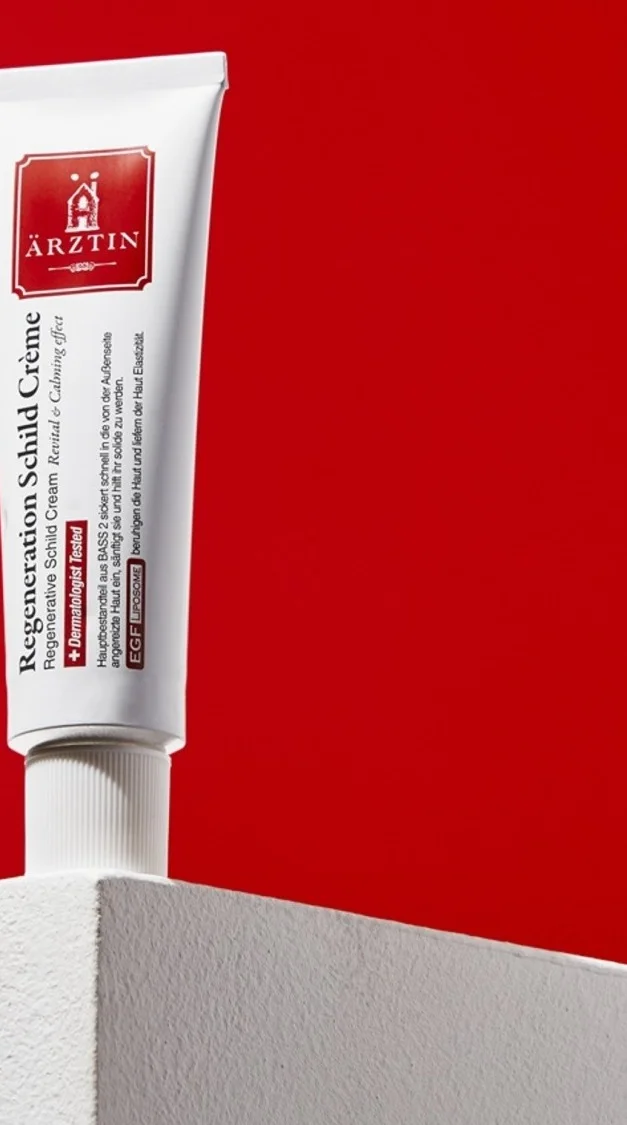 리제너레이티브 실트 크림Buy
Anti-wrinkle functional cosmetic · A rich cream that addresses both elasticity and barrier care
- 리제너레이티브 실트 크림Buy
Anti-wrinkle functional cosmetic · A rich cream that addresses both elasticity and barrier care
- 리제너레이티브 실트 크림Buy
Anti-wrinkle functional cosmetic · A rich cream that addresses both elasticity and barrier care
- 리제너레이티브 실트 크림Buy
Anti-wrinkle functional cosmetic · A rich cream that addresses both elasticity and barrier care
- 리제너레이티브 실트 크림Buy
Anti-wrinkle functional cosmetic · A rich cream that addresses both elasticity and barrier care