
Which Skin Type Suits Tocopherol — Judging Criteria from the Full Ingredient List
Tocopherol (vitamin E) is not an active ingredient designed for a specific skin type, but rather a supporting ingredient that helps keep the overall formula stable by preventing oils and moisturizing ingredients from going rancid. Being listed near the end of the ingredient list doesn't mean it's ineffective, and being listed near the front doesn't mean it's more irritating. Rather than asking "which skin type suits tocopherol," it's more accurate to look at which oils and main ingredients tocopherol is paired with.
The question "will tocopherol suit my skin" is actually a bit off the mark. Tocopherol isn't an active ingredient designed to target a specific skin type, but rather an antioxidant support ingredient that helps keep the oils and fatty ingredients in a cosmetic product from deteriorating over time.
So rather than dividing skin into 'good for tocopherol' or 'bad for tocopherol,' this article summarizes how to judge tocopherol by looking at where it's positioned in the full ingredient list and which ingredients it's paired with.
Why is tocopherol included in almost every cream?
Tocopherol is the cosmetic ingredient name for Vitamin E. Oils used in cosmetics, especially plant-based oils or oils rich in unsaturated fatty acids, gradually oxidize when exposed to oxygen in the air. As oxidation progresses, the texture may become heavier or the scent may change, degrading the quality of the formulation itself.
Tocopherol is often formulated to slow down this oxidation process. In other words, rather than providing a direct effect on the skin, it is more accurate to understand it as a 'backend support ingredient' that helps other oils and moisturizing ingredients in the formula maintain their function for longer.
For this reason, tocopherol is widely found in low concentrations across most oil-containing formulations—rich creams, light lotions, oil products—regardless of whether the skin is oily, dry, or combination.
Why the position on the ingredient list alone makes it hard to judge 'whether it suits my skin'
There is a principle that full ingredient lists are arranged in descending order of concentration, but ingredients below a certain low-concentration threshold may be listed in mixed order. Ingredients like tocopherol, added in small amounts for antioxidant purposes, often fall into this low-concentration range.
So, just because tocopherol appears toward the end of the ingredient list doesn't mean the product has 'insufficient tocopherol content and therefore no effect,' and conversely, its appearance near the top doesn't necessarily mean a 'stimulating high-concentration formulation.' Low-concentration ingredients fall into a range where listing order alone cannot accurately reflect differences in concentration.
Therefore, rather than focusing on 'which line tocopherol appears in,' it is far more useful to look at which oil, moisturizing, and barrier ingredients are centrally placed throughout the entire ingredient list.
| Ingredient Category | Points to Check | Example |
|---|---|---|
| Approved Functional Ingredients | Purpose and scope of approval | Adenosine (wrinkle improvement) |
| Barrier/Moisturizing Group | Position and compositional balance | Ceramide NP, Cholesterol, Palmitic Acid |
| Oil/Texture Ingredients | Weight of the formulation | Squalane, Shea Butter, Argania Kernel Oil |
| Antioxidant Support Ingredients | Reference presence/absence only | Tocopherol, Rosemary Leaf Extract |
Points worth checking by skin type
For dry skin, rather than focusing on tocopherol alone, it helps to check how well-balanced the barrier lipid group—such as ceramides, cholesterol, and palmitic acid—and oils like squalane and shea butter are, as this is more practically useful for judging moisturizing and barrier care.
For oily or combination skin, the overall lightness of the formulation and the proportion of oil determine the feel of use more than tocopherol itself. It's worth noting that the presence of tocopherol does not in itself make an ingredient heavy or likely to cause breakouts.
For sensitive skin, rather than whether tocopherol is present, it's safer to first check for ingredients like fragrance or specific extracts that have caused personal reactions before, and to do a small patch test before expanding use of a new product.
A step-by-step routine for checking the full ingredient list
Step 1: Look at the first 3-5 ingredients on the list to get a general sense of whether the product is water-centered or oil-centered.
Step 2: Check how much and in what position moisturizing/barrier-related ingredients such as ceramides, cholesterol, squalane, and shea butter appear.
Step 3: for antioxidant support ingredients like tocopherol or rosemary leaf extract, simply check whether they're present or not—don't judge the product's overall efficacy based on where this ingredient sits.
Step 4: if there's a functional ingredient that passed functional review (e.g., adenosine), note that this ingredient shows the central purpose of the formulation.
Breaking it down into these steps makes it clearer which skin concern the entire ingredient list is designed for, rather than focusing on tocopherol alone.
If you're focused on elasticity and wrinkle care
When managing changes that take time, like elasticity or wrinkles, it's more important to first check 'what this product is designed to focus on' rather than whether a supporting ingredient like tocopherol is present or not.
The full ingredient list of ARZTIN Cillt Cream also includes tocopherol, but it plays a supporting role in helping stabilize the oils in the formula, such as squalane, shea butter, and argan kernel oil. What this cream actually focuses on is adenosine, which passed functional review for wrinkle improvement, and 3 types of peptides for elasticity care, along with barrier lipid ingredients like ceramide NP, cholesterol, and palmitic acid, as well as centella asiatica-derived ingredients.
In other words, rather than choosing a product because of tocopherol alone, it can be more practical to form the habit of checking what's placed at the center of the full ingredient list in terms of elasticity and wrinkle care. Individual skin conditions and reactions may vary, so if any adverse reaction occurs during use, it's recommended to stop use and consult a dermatologist or other specialist.
Final step: which cream to finish with
Reading the ingredient list this way, the real question becomes 'does this product stop at stabilizing oils, or does it also aim to manage elasticity and wrinkles?' ARZTIN Cillt Cream is formulated with tocopherol and other supporting ingredients, while centering on adenosine, which passed functional review for wrinkle improvement, and 3 types of peptides for elasticity care, supplemented by barrier lipid ingredients and centella asiatica-derived ingredients for texture and soothing.
Frequently asked questions
- Are products with a higher amount of tocopherol more effective at preventing oxidation?
- It's hard to say that a higher amount is necessarily better. Since tocopherol works alongside the overall oil composition of the formula, packaging, and storage conditions, it's better to consider the whole formula and storage method together rather than judging stability by the amount alone.
- Is tocopherol unsuitable for oily skin?
- There's no basis for tocopherol itself being unsuitable for oily skin. However, for oily or combination skin, it may help to note that the overall oil proportion and texture of the product have a bigger impact on the experience of use than whether or not tocopherol is present.
- Can I ignore tocopherol if it's listed near the end of the ingredient list?
- Rather than ignoring or overvaluing it based on position alone, it's recommended to treat it as reference information, keeping in mind that the listing order of low-concentration ingredients can vary. It's more accurate to judge by looking at the overall composition of the full ingredient list together.
- I have sensitive skin — is it okay to use a cream containing tocopherol?
- Tocopherol itself is not known as an irritation-causing ingredient, but individual differences can exist. If it's a new product for you, it's recommended to test it on a small area first, and if any adverse reaction appears, stop use and consult a dermatologist or other specialist.
- Should I prioritize ceramide or panthenol over tocopherol?
- Ingredients with clear purposes like moisturizing, barrier support, or soothing are relatively easy to identify in the full ingredient list. Tocopherol is more of a supporting ingredient that helps these core ingredients remain stable within the formula, so it's good to look at both types of ingredients while distinguishing their different roles.
Related products
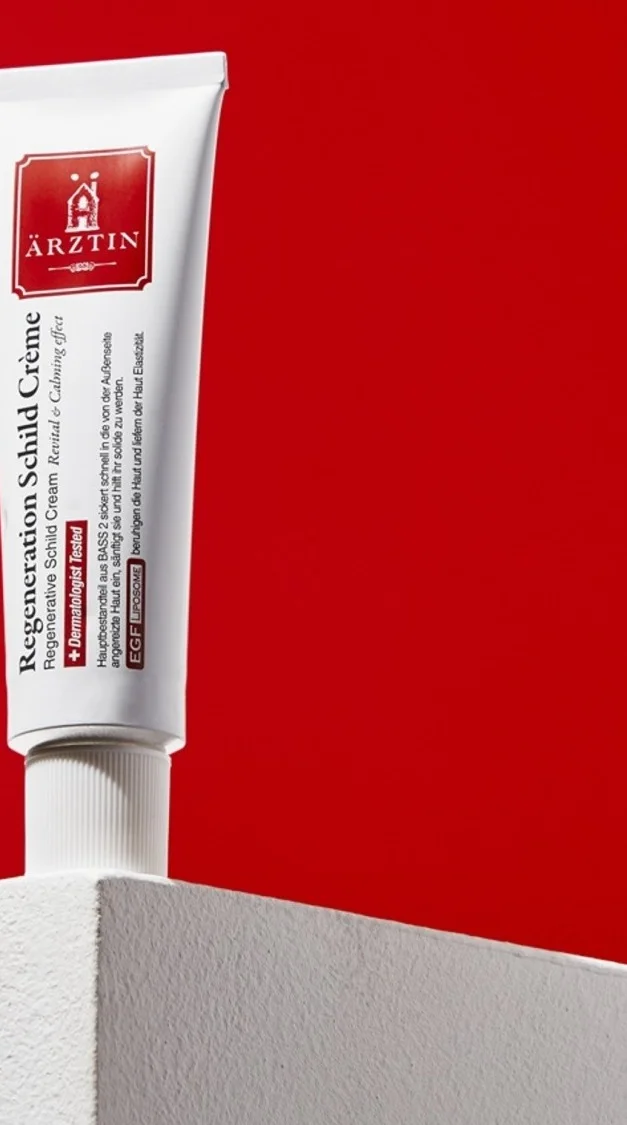 리제너레이티브 실트 크림Buy
Anti-wrinkle functional cosmetic · A rich cream that addresses both elasticity and barrier care
- 리제너레이티브 실트 크림Buy
Anti-wrinkle functional cosmetic · A rich cream that addresses both elasticity and barrier care
- 리제너레이티브 실트 크림Buy
Anti-wrinkle functional cosmetic · A rich cream that addresses both elasticity and barrier care
- 리제너레이티브 실트 크림Buy
Anti-wrinkle functional cosmetic · A rich cream that addresses both elasticity and barrier care
- 리제너레이티브 실트 크림Buy
Anti-wrinkle functional cosmetic · A rich cream that addresses both elasticity and barrier care