
Dry Season Moisturizing Routine, How to Layer and Adjust Amounts?
In dry seasons, the key is to layer products from lighter to heavier textures to prevent moisture loss. Layering cream by applying it twice is a fine method for most skin types, and especially on days with severe tightness, increasing the amount of the final rich cream step more than usual can help. However, if it leaves excessive oiliness, adjustments considering individual differences, such as controlling the interval until the next cleansing, are needed.
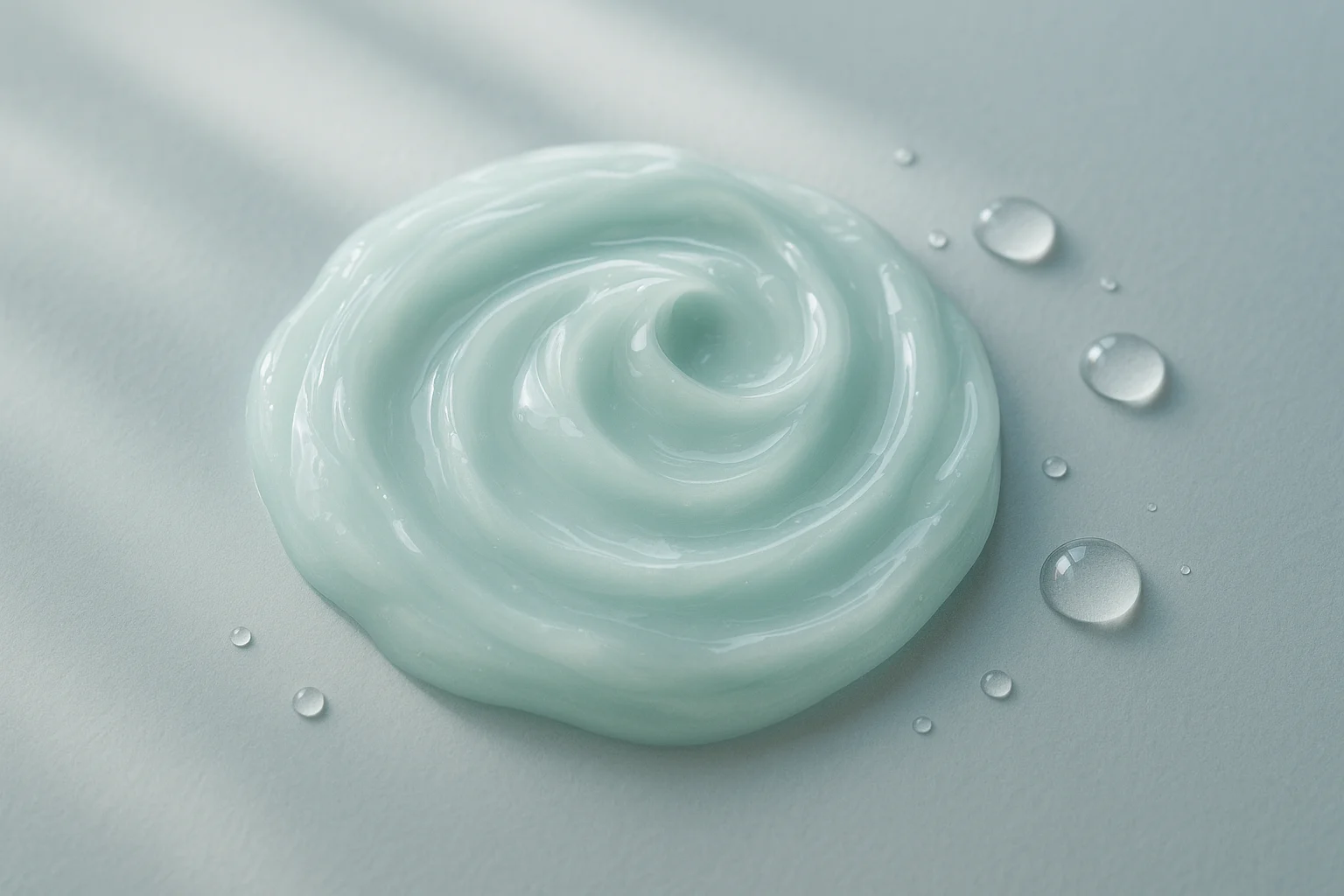
There are seasons when your face feels tight from just washing it, morning and night, and makeup lifts off. If dryness becomes especially severe with the same skincare routine, it's worth checking the 'amount and order applied' before changing products.
- 1Step 1 · Fill in moistureAbsorb toner/essence right after cleansing while skin is still damp
- 2Step 2 · Smooth textureForm a moisture-retaining layer with ampoule/serum
- 3Step 3 · Finish with an oil filmLayer a rich cream thinly in two applications
Why does skin feel especially tight during this season?
When temperature and humidity drop, moisture on the skin's surface evaporates faster. Add indoor heating on top of that, and the humidity in the air drops even further. The skin barrier is structured like bricks made of lipid components such as ceramides, cholesterol, and fatty acids that prevent moisture evaporation, but when a dry environment persists for a long time, this barrier function can become weaker than usual.
When the barrier is weakened, it's easy to feel like moisture cream dries out quickly even when applying the same amount. In this case, rather than searching for a 'better ingredient,' a more practical solution is layering moisturizing ingredients that hold onto moisture along with oil-based ingredients on top that keep that moisture from evaporating.
Taking different care depending on condition and timing
If you have a 'dehydrated' skin type—shiny on the surface but tight underneath—rather than cutting back on oil, it's more natural to first layer on thin applications of products containing moisture-retaining ingredients (such as betaine, trehalose, and glycerin), then finish with a light oil film at the end.
For dry skin types with noticeable flaking and tightness, it's better to place more emphasis on the final cream step rather than the earlier hydration steps. During this time, the key is to apply enough of a formula containing moisturizing and soothing ingredients like panthenol and allantoin, along with oil-based ingredients like squalane and shea butter, to prevent moisture evaporation.
During transitional seasons with large temperature differences between day and night, your skin may feel different during the day compared to the evening. Applying lightly in the morning and finishing a bit more thickly in the evening—adjusting the amount according to the time of day—is one approach.
Step-by-step routine: the key is order and amount control
Step one, after cleansing, quickly fill in moisture with toner or essence before the water dries. Step two, use an ampoule or serum to smooth the skin texture and build a layer for retaining moisture. Step three, finish with a rich cream to seal in the moisture applied earlier, acting like a lid.
Layering cream by applying it in two separate applications is a method most skin types can try without issue. For example, in the evening, apply a thin layer of cream, wait a moment for it to absorb, then apply a small additional amount on top. However, rather than piling on a thick layer all at once, dividing it into two thin applications can help it absorb without pilling or feeling heavy.
The standard for adjusting the amount is simple. If it naturally absorbs within three to five minutes of application, that's an appropriate amount; if an oil film still sits on the surface after time has passed, try reducing the amount for the next layer. Conversely, if you feel tightness right after applying, it may be a sign that the earlier hydration step wasn't enough or that too little cream was used at the end.
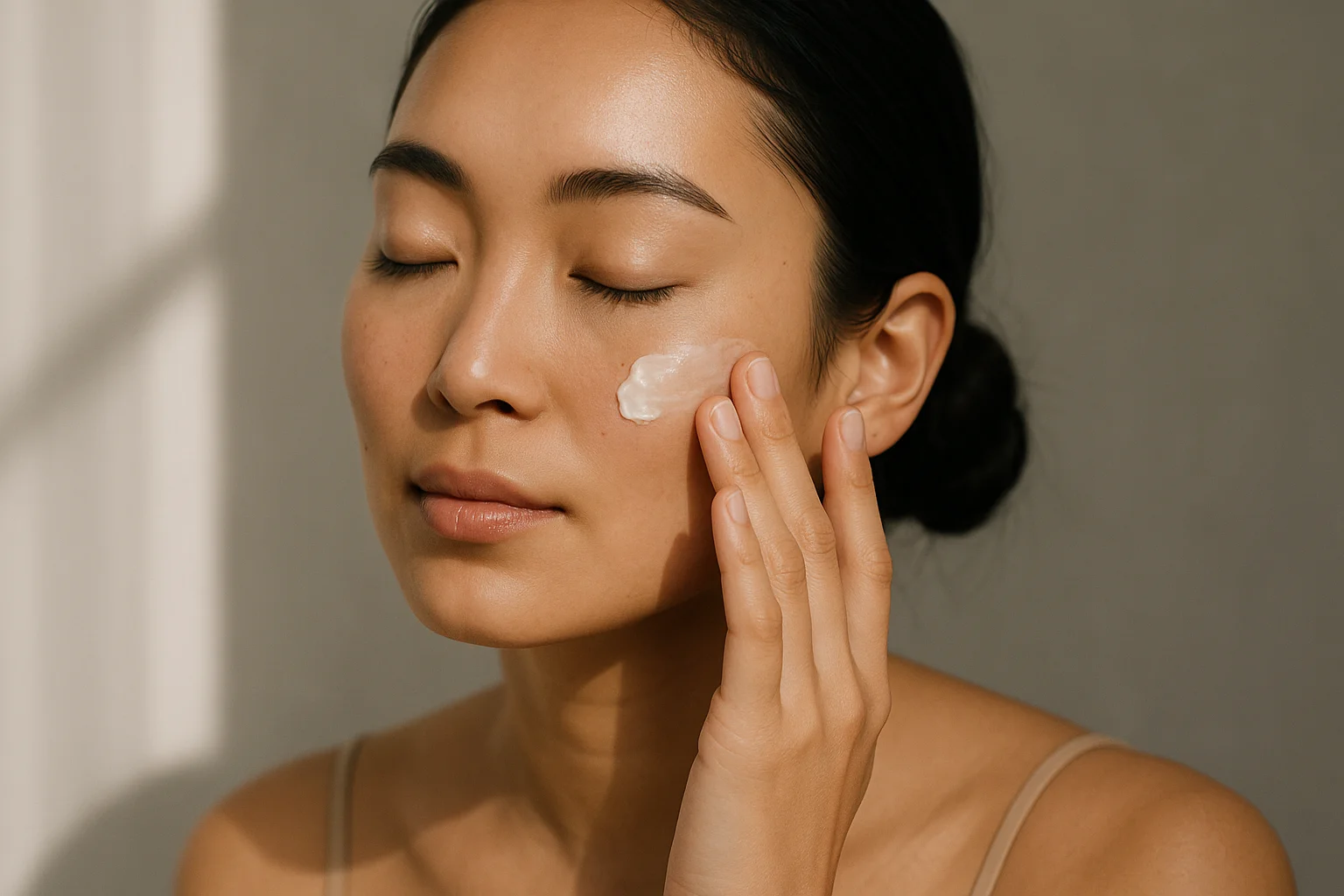
What to additionally keep in mind in heated indoor environments
On days when you spend a long time in a strongly heated indoor space, your skin may feel tight even during the daytime. In this case, rather than reapplying a thick cream, it's better to supplement surface moisture with a mist or hydrating spray, then gently press it in with your palms to absorb.
Using a humidifier together to maintain a certain level of indoor humidity is just as important as skincare itself. When the dryness of the environment itself is reduced, you may notice your skin feels less tight even with the same routine.
The final step: what cream should you finish with?
In a layering routine, what matters most isn't the order but the final layer. After applying toner and ampoule, you need something to act like a lid so that the moisture doesn't evaporate overnight, and 에르쯔틴 리제너레이티브 실트 크림 is the product that can be entrusted with this finishing role. Designed with a rich texture, it's suitable to place on top of your layered routine, and oil-based ingredients like squalane, shea butter, and argan kernel oil can help form a thin film on the surface that slows down the rate of moisture evaporation. It also contains lipid-related ingredients that make up the skin barrier, such as ceramide NP, cholesterol, and palmitic acid, along with moisturizing and hydration-retaining ingredients like panthenol, allantoin, betaine, and trehalose, making it worth considering as the final step of a routine for seasons with severe dryness. At the same time, since it's a wrinkle-improvement functional cosmetic (report-completed) containing adenosine, if you want to take care of elasticity on top of your moisturizing layering routine, you may want to try adjusting the amount slightly more generously as a reference.
Frequently asked questions
- I'm curious about the order of a winter moisturizing routine.
- A common order is to first fill in moisture with toner or essence while the skin is still damp after cleansing, then smooth the skin texture with ampoule or serum, and finish with a rich cream to seal in moisture so it doesn't evaporate. Rather than the order itself, giving each step enough time to absorb may be more important.
- Is it okay to layer cream twice, applying it in thin coats?
- Yes, applying it thinly in two rounds is a method most skin types can try without issue. Rather than applying a thick layer at once, applying once, allowing time to absorb, then adding a small amount more can help it absorb without pilling. However, if greasiness lingers too long or you feel irritation, it's good to reduce the amount or adjust frequency.
- How can I address dehydrated skin that looks shiny on the surface but feels tight underneath?
- Rather than reducing oil indiscriminately, it may help to layer thin coats of products containing moisture-binding ingredients like betaine, trehalose, and glycerin multiple times, then finish with a light oil film to seal in moisture. Since individual differences exist, it's recommended to watch your skin's response over several days and adjust accordingly.
- My skin feels tight even during the day because of indoor heating—how should I manage this?
- During the day, rather than layering on thick cream, it's reasonable to replenish surface moisture with a mist and gently press it in to absorb. In addition, managing indoor humidity itself with a humidifier can reduce tightness even with the same skincare routine. If tightness or irritation persists, it's recommended to consult a specialist.
Reviewed by 아비쥬의원 의료진. (August 31, 2026)
Related products
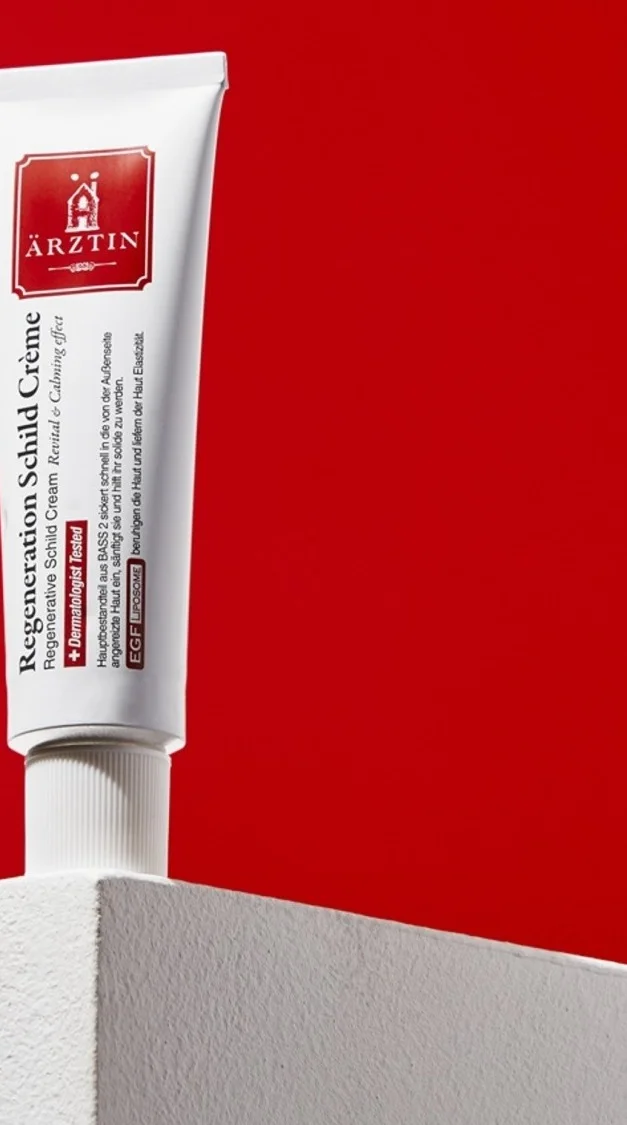 리제너레이티브 실트 크림Buy
주름 개선 기능성 화장품 · 탄력과 장벽을 함께 보는 리치 크림