본문 바로가기

Magazine

Ingredient and routine guides for elasticity, wrinkles, and the skin barrier.

Which Skin Types Suit Shea Butter — Full Ingredient Design to Check Beyond Oiliness
Ingredients

Which Skin Type Suits Shea Butter — Ingredient List Design Matters More Than Oiliness

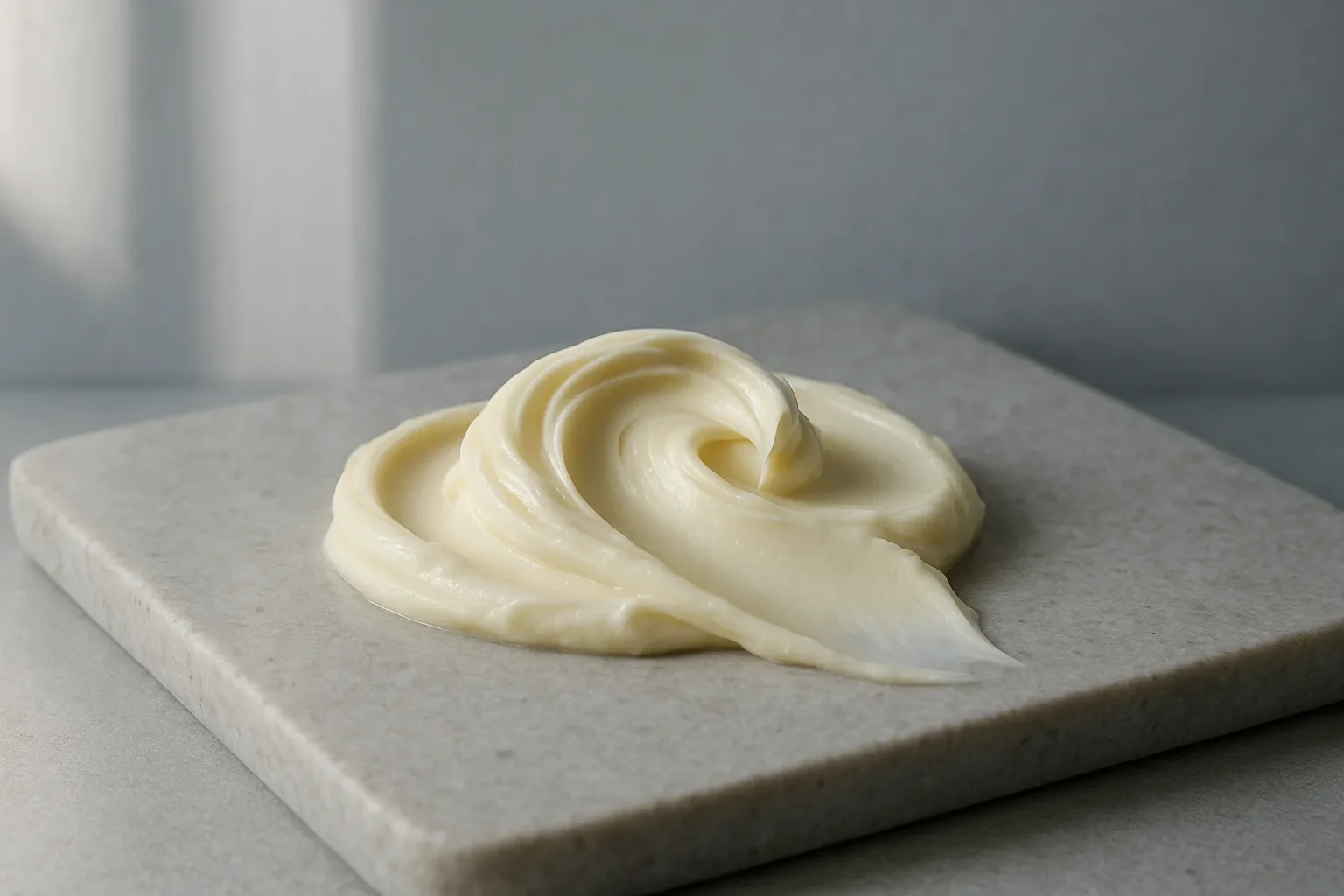
Shea butter isn't an ingredient suited to a specific skin type—rather, how it feels depends on the ingredients it's designed alongside. It may help dry, tight-feeling skin or skin that becomes sensitive with seasonal changes, but for skin that finds oiliness itself heavy, it's more practical to check where shea butter sits in the ingredient list and what's placed alongside it. In the end, what matters isn't how much shea butter is included, but which section it's formulated in and with which ingredients.

Shea Butter Principles and Characteristics — The Role of Oil Ingredients in the Full Ingredient List
Ingredients

Shea Butter Principle and Characteristics — The Role of Oil Ingredients in the Full Ingredient List

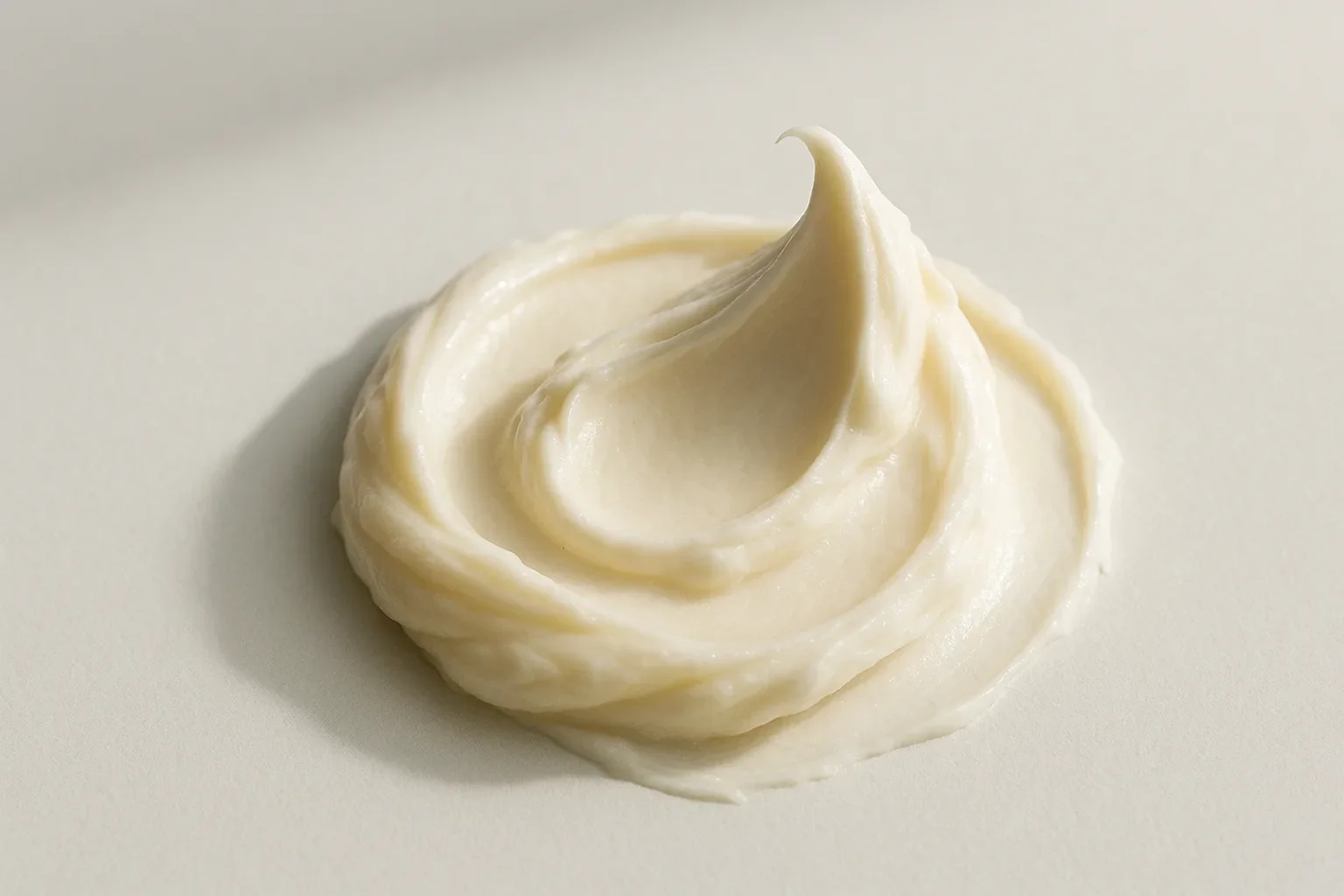
Shea butter is a plant-based fat that remains semi-solid at room temperature, forming an oil film on the skin's surface that helps prevent moisture from evaporating. In the full ingredient list, understanding the actual formulation intent requires looking not just at the listing order but also at which ingredient section it is placed alongside. In rich-type creams, the key point is where shea butter is positioned relative to barrier lipids and elasticity-care ingredients.

How to find it in the squalane full ingredient list
Ingredients

How to Find Squalane in the Full Ingredient List

Squalane is typically found in the middle section of an ingredient list, after purified water and glycerin-type ingredients, where oils and esters are listed. The listing order reflects the concentration order, but in lower-concentration ranges the order can shift closely together, making it hard to determine exact content by position alone. When looking at a cream's ingredient list, it's more practical to check whether squalane appears alongside oil-based ingredients like shea butter and argan kernel oil, or barrier lipids like ceramides and cholesterol, rather than looking at squalane alone.

Which Skin Suits Barrier Lipids — How to Determine Your Skin Type from the Full Ingredient List
Ingredients

Which Skin Type Needs Barrier Lipids? — How to Judge Your Skin Type from the Full Ingredient List

Barrier lipids (ceramides, cholesterol, and fatty acid series) are needed by all skin types, but skin that frequently experiences dryness, tightness, or seasonal sensitivity may benefit from checking the proportion of these three lipid families on the full ingredient list. However, choosing based on barrier ingredients alone makes it hard to account for elasticity care, so it's more practical to also check whether the lipid axis and elasticity axis are designed together.

Criteria for choosing barrier lipids — how to check ceramides, cholesterol, and fatty acids in the full ingredient list
Ingredients

Criteria for Choosing Barrier Lipids — How to Check Ceramides, Cholesterol, and Fatty Acids on the Full Ingredient List

Barrier lipids cannot be judged by ceramides alone; the standard is whether all three families—ceramides, cholesterol, and fatty acids—are listed together. Checking whether these three families appear close together on the full ingredient list, and whether oil and moisturizing ingredients are formulated alongside them, reveals the formulation's design intent. Since the listed order only allows for a rough estimate of content and not an exact ratio, it should be used only as a reference indicator.

Points to watch with palmitic acid — what to check on the full ingredient list
Ingredients

Palmitic Acid Precautions — What to Check on the Full Ingredient List

Palmitic acid is a fatty acid belonging to the same family as the lipid components that make up the skin barrier. When it appears alongside ceramides and cholesterol on the full ingredient list, it can be a signal to examine the barrier-care design of the formula. However, since low-concentration ingredients can appear in varying order, it's difficult to determine a formula's weight based solely on the position of a single ingredient. Ultimately, the precaution to keep in mind when looking at palmitic acid is not to focus on 'this one ingredient' but to read the 'overall composition of lipid, oil, and moisturizing ingredients placed together.'

Ingredients that work well with palmitic acid — the logic of combinations confirmed through the full ingredient list
Ingredients

Ingredients That Work Well With Palmitic Acid — Understanding Combination Principles Through the Full Ingredient List

Palmitic acid is one of the lipids that make up the skin barrier, and it is often designed to function alongside ceramides and cholesterol. The key to reading a combination is checking whether these three are placed near each other on the full ingredient list, and whether oil-based and moisturizing ingredients that support them are also present. In conclusion, it is more reasonable to choose products where a 'lipid combination + moisture + elasticity care ingredients' are designed together, rather than relying on palmitic acid alone.

Which Skin Suits Palmitic Acid — Judging Fit Through the Full Ingredient List
Ingredients

Which Skin Types Suit Palmitic Acid — Judging Suitability by the Full Ingredient List

Palmitic acid is a fatty acid-type ingredient naturally present in the skin's stratum corneum, and it can be a lipid component that helps with oiliness in dry or barrier-weakened skin. However, rather than judging it alone, it's better to look at it together with other barrier lipids like ceramides and cholesterol, as well as the overall oil proportion of the formulation, to gauge whether it suits your skin. Oily or acne-prone skin may find it heavy, so it's good to also check the overall texture of the formulation.

Standards for Choosing Palmitic Acid — What to Look for in an Ingredient List
Ingredients

Criteria for Choosing Palmitic Acid — What to Look for in the Full Ingredient List

Rather than judging palmitic acid's value on its own, it's better to look at which lipid and oil ingredients it's paired with in the full ingredient list. Since ingredients in low concentrations may not appear in strict order of amount, position alone can't reliably indicate concentration. Ultimately, the key question is what role this fatty acid plays within the overall barrier lipid composition. If you're also concerned about elasticity and wrinkles, it's worth checking whether the lipid composition and elasticity-care ingredients are designed together in the same formulation.

Palmitic Acid Principles and Characteristics — Understanding the Role of Fatty Acids Through the Full Ingredient List
Ingredients

Palmitic Acid Principle and Characteristics — Understanding the Role of Fatty Acids Through the Ingredient List

Palmitic acid is a saturated fatty acid belonging to the same family as one of the lipid components that make up the skin's stratum corneum, and is an ingredient used alongside ceramides and cholesterol to form barrier lipid composition. In the ingredient list, the listing order and which ingredients it's placed near can give clues about the role it was designed for. Ultimately, what matters more than palmitic acid alone is how this lipid is balanced within a formulation together with elasticity and wrinkle-care ingredients.

Reading cholesterol content labeling — why there are no numbers on the full ingredient list and how to judge it
Ingredients

Reading Cholesterol Content Labeling — Why There's No Number on the Full Ingredient List and How to Judge It

The full ingredient list is arranged in descending order of content, but from the point where the blending ratio drops low enough, the listed order may not correspond exactly to the actual content. For lipid ingredients like cholesterol, which can function even in small amounts, it's better not to conclude 'high' or 'low' based on order alone, but to also look at which ingredients it's placed near and what purpose the overall formulation is designed for. Ultimately, what matters more than the content number is the 'context' in which the ingredient is placed.

Cholesterol Cautions — Three Easily Overlooked Risks in the Full Ingredient List
Ingredients

Cholesterol Precautions — Three Easily Missed Risks in the Full Ingredient List

Cholesterol itself is known as a lipid-type ingredient that makes up the skin barrier, so it is not a harmful ingredient to be wary of. However, when reading the full ingredient list, practical points to check include whether cholesterol appears alongside ceramides and fatty acids rather than alone, whether the formulation is finished with oils, and whether the product is designed together with elasticity and wrinkle care ingredients. It's also worth keeping in mind that ingredients present in low concentrations may have somewhat different listing order on the ingredient list.

The Order for Applying Cholesterol — Placement Principles Judged by Full Ingredient List Position
Ingredients

The Order of Applying Cholesterol — A Placement Principle Based on Ingredient List Position

Cholesterol is an ingredient that gains meaning as a barrier lipid when combined with ceramides and fatty acids, so in a skincare routine, "which step it's applied in" matters less than "which formulation stage it's included in." Generally, this combination is included in a cream stage with an oily texture, applied after toner/essence, and it's natural to apply that cream as the last step in the routine. Reading the position of cholesterol on the full ingredient list together with the ingredients placed alongside it reduces confusion about ordering.

Cholesterol, Which Skin Does It Suit — Judging Criteria Reviewed Through the Full Ingredient List
Ingredients

Cholesterol, Which Skin Type Is It For? — A Judgment Standard Based on the Full Ingredient List

Cholesterol is not an ingredient aimed at a specific skin type, but one used in formulation to help skin where barrier lipids have thinned — meaning skin that feels dry, tight, or shows fine lines. Whether oily or dry, when the barrier is compromised, the same lipid composition is needed, and on the full ingredient list, you should check its placement alongside Ceramide NP and Palmitic Acid, as well as how it's finished with oil and moisturizing ingredients.

Precautions for Ceramide NP — Risk Points to Actually Check in the Full Ingredient List
Ingredients

Precautions for Ceramide NP — Real Risk Points to Check in the Full Ingredient List

Ceramide NP itself is known as an ingredient belonging to the same family as the lipids that make up the skin barrier, so the real risk lies less in irritation concerns and more in 'misunderstanding the labeling position and formulation method.' For ingredients in a low concentration range, the order of listing in the full ingredient list alone cannot confirm the actual amount, and Ceramide NP alone cannot explain the entire barrier. This article addresses three common consumer misunderstandings and organizes the actual criteria to check when reading a full ingredient list.

Ceramide NP Application Order — Where It Should Be Placed in Your Skincare Routine
Ingredients

Ceramide NP Application Order — Where to Place It in Your Skincare Routine

Ceramide NP is a lipid-based ingredient that forms part of the skin barrier, and on ingredient lists it often appears near oils and waxes, so within a skincare routine it makes sense to apply it after the hydration steps—at the finishing stage alongside more oil-based formulas. However, listing order can vary by manufacturer and formulation once concentration drops below a certain level, so order alone cannot determine content amount. This article organizes the question of 'when to apply Ceramide NP' from the perspective of reading ingredient lists and formulation design.

Ingredients That Pair Well with Ceramide NP — Combination Criteria Examined Through Full Ingredient Design
Ingredients

Ingredients That Work Well With Ceramide NP — Combination Criteria Based on Full Ingredient List Design

Ceramide NP is a lipid-family ingredient that forms the skin barrier, and reading the full ingredient list takes on a different meaning when it's placed alongside related lipids like cholesterol and fatty acids, as well as moisturizing and elasticity-care ingredients, rather than standing alone. The conclusion isn't about whether Ceramide NP is present or not, but about what ingredients surround it and what roles they play.

Ingredients

Ingredients That Pair Well with Fermented Ingredients — The Principle of Combination Design Read from the Full Ingredient List

Fermented ingredients (such as bifida ferment lysate) are not ingredients that act alone — a product's goal is completed when they are placed together with other ingredient groups. The key is not 'fermented ingredient + what,' but checking in the full ingredient list what functional goal (especially elasticity and wrinkle care) the combination was ultimately designed for. This article organizes, by role, the ingredient groups often paired with fermented ingredients, and presents criteria for judging such combinations.

Which Skin Types Suit Fermented Ingredients — A Suitability Guide by Skin Type
Ingredients

Which Skin Type Suits Fermented Ingredients? — A Guide to Checking Compatibility by Skin Type

Fermented ingredients (typically Bifida Ferment Lysate) are not suited to a specific skin type per se; rather, they are conditioning ingredients whose perceived effect depends on which other ingredient groups they are combined with on the full ingredient list. For dry, sensitive, combination, and other skin types, checking the accompanying ingredients matters more than whether a fermented ingredient is present at all. Ultimately, the practical approach is to look at what role a fermented ingredient plays within the overall goal of elasticity and wrinkle care.

Criteria for Choosing Fermented Ingredients — How to Set Standards from the Full Ingredient List
Ingredients

Criteria for Choosing Fermented Ingredients — How to Set Standards from the Full Ingredient List

When choosing fermented ingredients, it's more practical to look at "what ingredient groups they're placed with and in what formulation" rather than the name value of a single ingredient. While the full ingredient list alone can't tell you exact concentrations, the listing order combined with surrounding ingredients can give you a sense of what role that fermented ingredient plays within the product. By this standard, fermented ingredients shouldn't be chosen on their own, but should be evaluated based on whether they're formulated alongside elasticity, hydration, and barrier ingredients.

Fermented Ingredient Principles and Characteristics — Understanding How Fermentation-Derived Ingredients Work Through the Full Ingredient List
Ingredients

Fermented Ingredient Principles and Features — How Fermentation-Derived Ingredients Work, Understood Through the Full Ingredient List

Fermented ingredients are components whose molecular structure has been transformed through microbial metabolism, and they appear on the full ingredient list under names such as "OO Ferment Filtrate" or "OO Ferment Lysate." Fermentation itself does not guarantee any specific effect—what strain fermented what, and which other ingredients it is paired with in the product, need to be checked together to gauge its actual role. This article organizes how fermented ingredients are labeled and how to check them.

Points to Watch for Bifida Ferment Lysate — Checkpoints to Review via the Full Ingredient List
Ingredients

Bifida Ferment Lysate: Points to Watch — Checkpoints from the Full Ingredient List

Bifida Ferment Lysate is a fermentation-derived conditioning ingredient that commonly appears on ingredient lists, but it's worth noting that its listed order alone doesn't confirm its exact concentration, and as a fermentation byproduct, individual skin reactions can vary. This article outlines the actual points to check when looking at this ingredient, and where it tends to be positioned in products aimed at elasticity and wrinkle care.